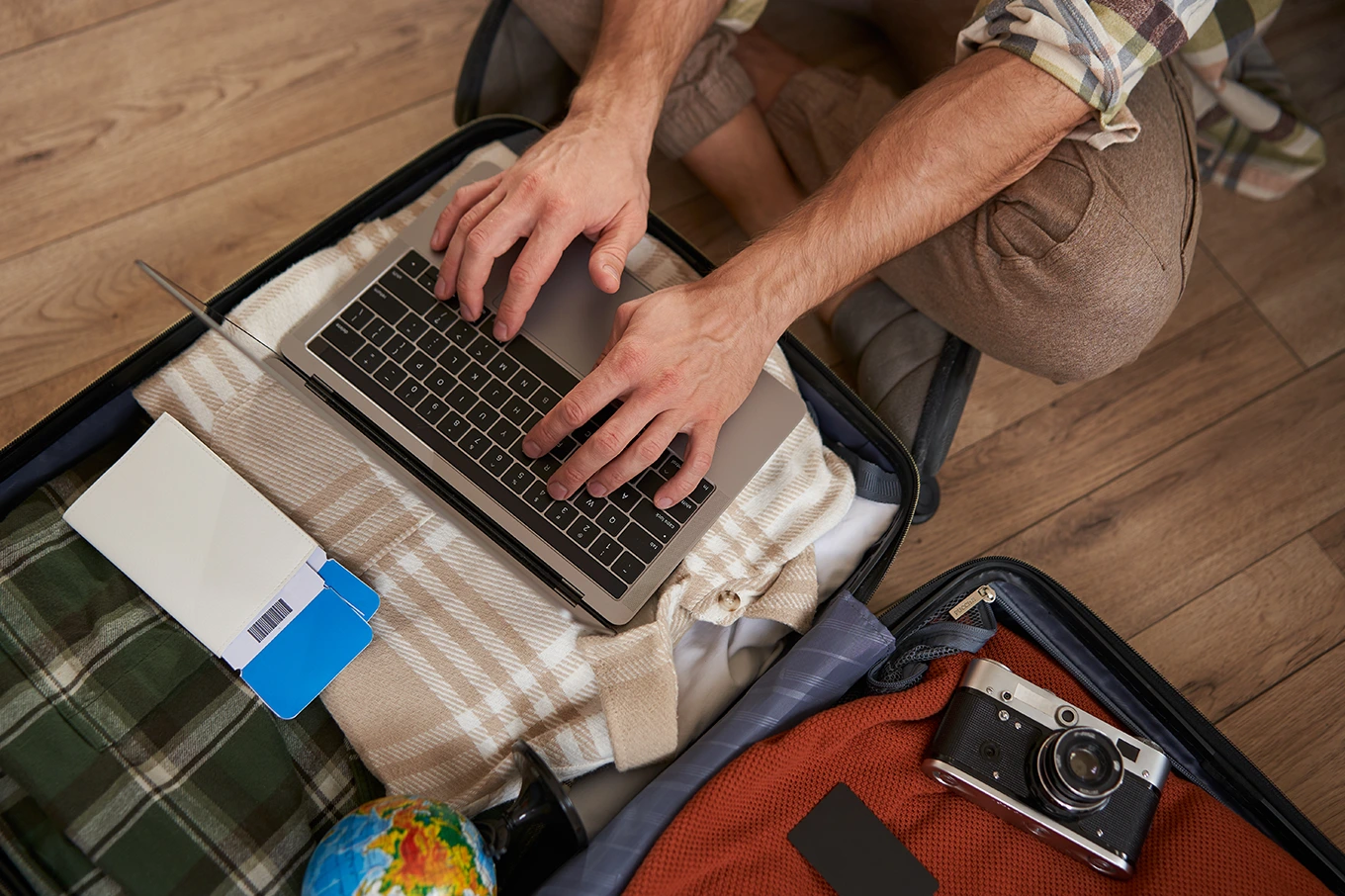
Maintaining a healthy work travel balance allows people to explore new destinations while meeting their professional responsibilities. For remote workers, freelancers, and digital nomads, traveling does not always mean taking time off. With the right planning, it is possible to complete daily tasks, attend meetings, and experience different cultures without sacrificing productivity. A good work travel balance starts with understanding personal priorities and creating a routine that supports both career goals and travel experiences.
Many people struggle to separate working hours from leisure time when they travel. Without clear boundaries, work can take over the entire trip, leaving little room to enjoy the destination. On the other hand, focusing too much on sightseeing may lead to missed deadlines. Finding the right work travel balance helps prevent these problems and makes traveling more rewarding.
How Do You Balance Work and Travel?
The first step toward a sustainable work travel balance is creating a realistic schedule. Before leaving for a destination, identify your working hours, important deadlines, and planned activities. This preparation helps you organize your days without constantly switching between professional responsibilities and sightseeing.
Start by deciding which hours are best for focused work. Some people prefer working early in the morning so they can explore during the afternoon. Others may find it easier to finish their tasks later in the day. Choose a routine that matches your energy levels and professional commitments.
When balancing work and travel, consider these practical tips:
-
Create a daily schedule: Set specific hours for meetings, focused work, meals, and sightseeing.
-
Prioritize important tasks: Complete urgent assignments before spending time on recreational activities.
-
Choose suitable destinations: Look for places with reliable internet, comfortable accommodation, and convenient transportation.
-
Leave room for flexibility: Allow extra time for unexpected delays, changing plans, or additional work.
A consistent routine makes it easier to maintain a work travel balance without feeling that either work or travel is being neglected. You can also review your schedule at the end of each day and adjust it when necessary.
How Can I Travel Without Affecting My Work?
Traveling does not have to reduce your work performance if you prepare carefully. One important part of work travel balance is making sure your destination supports your professional needs. Before booking accommodation, check the internet connection, available workspace, and distance from essential facilities.
If your job requires frequent video calls, choose accommodation with a quiet environment. Coworking spaces and co-living accommodations can also provide suitable places to concentrate. Having a dedicated workspace helps you maintain focus and avoid distractions during working hours.
Another useful strategy is to communicate your travel plans with your manager, colleagues, or clients. Let them know when you will be available and whether your schedule or time zone will change. This is particularly important when working with teams in different countries.
For better work travel balance, prepare your assignments before departure whenever possible. Finish urgent projects, organize important files, and make a list of upcoming deadlines. Download essential documents so you can access them when the internet connection becomes unstable.
You should also avoid scheduling too many activities on working days. Instead of planning several attractions in one afternoon, choose one or two experiences that fit your available time. This approach allows you to enjoy the destination while keeping your professional commitments on track.
What Are the Benefits of Balancing Work and Travel?
A healthy work travel balance offers benefits beyond the opportunity to visit new places. It can help people build a more flexible lifestyle, discover different cultures, and develop skills that are useful in their careers.
One major benefit is improved personal satisfaction. Traveling introduces new experiences, environments, and perspectives that can make everyday routines feel less repetitive. Exploring local neighborhoods, trying traditional food, and meeting people from different backgrounds can provide a refreshing break from familiar surroundings.
Balancing work and travel may also encourage better time management. When working hours are limited, people often become more intentional about prioritizing tasks and reducing unnecessary distractions. These habits can improve productivity even after returning home.
Other potential benefits include:
-
Greater cultural awareness: Experiencing different communities can help you understand new perspectives and customs.
-
More flexibility: Remote work can make it easier to organize your schedule around personal interests.
-
Creative inspiration: New surroundings may encourage fresh ideas and alternative approaches to problems.
-
Personal development: Navigating unfamiliar places can strengthen independence, adaptability, and problem solving skills.
However, these benefits depend on maintaining realistic expectations. A work travel balance should support your well-being rather than create pressure to work constantly while exploring every destination.
How Do Digital Nomads Manage Work and Travel?
Digital nomads often move between destinations while earning an income through remote employment, freelancing, or online businesses. Their lifestyles require careful organization because they must manage professional responsibilities alongside transportation, accommodation, and daily activities.
Successful digital nomads usually establish routines that can adapt to different locations. They research internet availability, time zones, local transportation, and accommodation before arriving. These details help them avoid disruptions that could affect their work.
When balancing work and travel, digital nomads may also stay in one destination for several weeks or months instead of moving every few days. Longer stays reduce the time spent packing, changing accommodation, and adjusting to unfamiliar environments. They also create more opportunities to build relationships with local communities.
Co-living spaces can be useful for this lifestyle because they combine accommodation with opportunities to connect with other travelers and remote workers. Shared environments may provide social interaction while allowing residents to maintain independent schedules.
Digital nomads should also establish boundaries around availability. Working across multiple time zones can make meetings difficult, so setting clear communication hours helps protect personal time. Keeping regular backups, using secure internet connections, and preparing alternative work locations can further support a reliable work travel balance.
How Can I Avoid Burnout While Balancing Work and Travel?
Burnout can happen when people try to maintain full workloads while constantly moving between destinations. Travel may look relaxing, but transportation, planning, unfamiliar surroundings, and changing schedules can become exhausting. Protecting your physical and mental energy is therefore an essential part of work travel balance.
Start by giving yourself permission to rest. You do not need to visit every attraction or participate in every activity. Spending a quiet afternoon at a café, reading a book, or walking through a local neighborhood can be just as rewarding as visiting popular tourist sites.
Maintaining regular habits can also help. Try to get enough sleep, eat balanced meals, drink sufficient water, and include physical activity in your routine. These basic habits support concentration and make it easier to manage professional responsibilities.
Here are several additional ways to prevent burnout:
-
Set clear boundaries: Avoid answering work messages outside agreed working hours unless genuinely necessary.
-
Schedule rest days: Leave some days free from both work and intensive sightseeing.
-
Reduce travel frequency: Spend more time in each destination to avoid constant transitions.
-
Monitor your energy: Adjust your workload when you notice persistent fatigue or difficulty concentrating.
-
Stay connected: Make time to communicate with friends, family, or supportive communities.
Remember that balancing work and travel should improve your lifestyle, not turn every day into a demanding schedule. If you feel exhausted, reducing activities or taking a proper break can help restore your energy.
Experience a Better Work Travel Balance in Bali
Bali can be an appealing destination for remote workers who want to combine professional commitments with cultural exploration. Beyond its beaches and popular attractions, the island offers traditional ceremonies, local communities, creative cafés, and peaceful environments for taking a break from daily routines.
Choosing comfortable accommodation can make it easier to maintain a consistent schedule while discovering the island. If you visit Bali, you can stay at Alzeto Co Living, one of the co-living spaces in Bali for tourism who want to relax and connect. It can be a comfortable place to stay while exploring the island's cultural traditions, discovering local communities, and experiencing the spiritual side of Bali.
With thoughtful planning, realistic expectations, and enough time to rest, you can create a work travel balance that supports your career while allowing you to enjoy meaningful travel experiences.
FAQ
1. What is work travel balance?
Work travel balance is the ability to manage professional responsibilities while exploring new destinations without sacrificing productivity, personal time, or well being.
2. How can I maintain productivity while traveling?
Create a daily schedule, prioritize important tasks, choose a reliable workspace, and ensure you have a stable internet connection.
3. Is balancing work and travel suitable for everyone?
It can suit remote employees, freelancers, and digital nomads, provided their jobs allow location flexibility and they can meet their professional commitments.
4. What accommodation is suitable for remote workers?
Accommodation with reliable WiFi, a comfortable workspace, and a quiet environment can help remote workers stay productive. Co-living spaces may also offer opportunities to connect with other travelers.
5. How can I prevent burnout while working and traveling?
Set boundaries around working hours, avoid overplanning, maintain healthy daily habits, and schedule regular rest days to protect your energy.
Published on 22 October 2026

