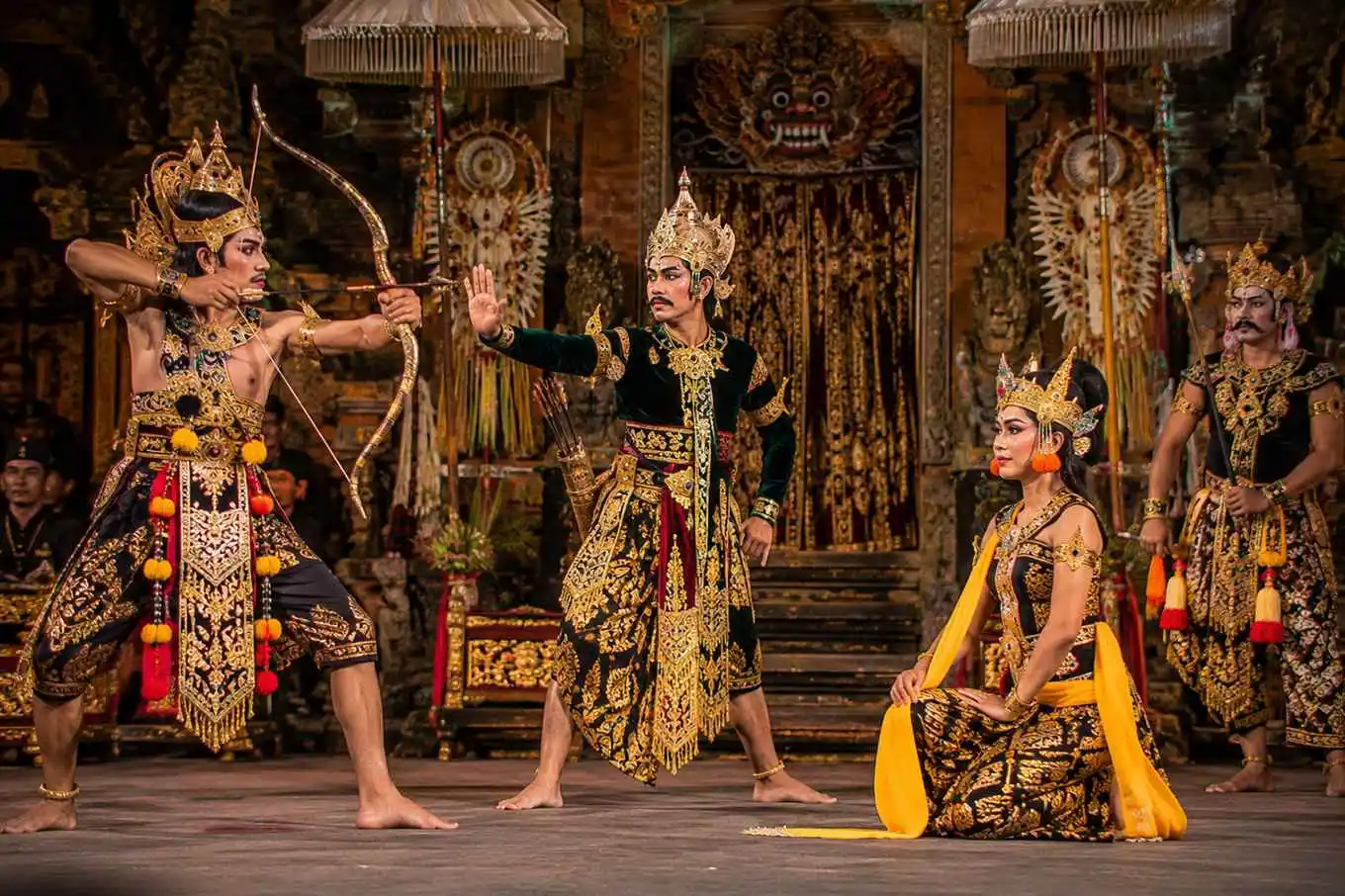
Bali is renowned for its breathtaking landscapes, vibrant traditions, and diverse performing arts that reflect the island's rich cultural heritage. Among these timeless art forms, wayang wong stands out as one of Indonesia's most captivating classical dance dramas. Combining graceful choreography, dramatic storytelling, traditional costumes, and live gamelan music, wayang wong offers a unique cultural experience that has been preserved for centuries.
Whether performed during temple ceremonies or cultural festivals, wayang wong Indonesia continues to showcase legendary stories while preserving important values passed down through generations. For travelers seeking to explore Bali beyond its beaches, watching wayang wong is an unforgettable opportunity to discover the island's artistic and spiritual traditions.
What is Wayang Wong?
Wayang Wong is one of Indonesia's oldest and most respected performing arts. Combining classical dance, drama, music, and storytelling, wayang wong brings legendary tales from ancient Hindu epics to life through expressive movements, elaborate costumes, and captivating performances. The term "wayang" means theatrical performance or shadow play, while "wong" means "human," making wayang wong a form of theater performed by live actors instead of puppets.
Although wayang wong Indonesia can be found in both Java and Bali, each region has developed its own unique style. In Bali, wayang wong is closely connected to religious ceremonies and temple festivals, where performances are considered both artistic and spiritual. Dancers undergo years of training to master the graceful movements, facial expressions, and symbolic gestures that define wayang wong.
Today, wayang wong continues to attract local audiences and international travelers who wish to experience Indonesia's living cultural heritage firsthand. As one of the country's most treasured traditional performances, wayang wong Indonesia represents centuries of artistic excellence passed down through generations.
What Stories Are Performed In Wayang Wong?
The performances of wayang wong are primarily based on the ancient Hindu epics, the Ramayana and the Mahabharata. These stories feature heroic princes, wise kings, loyal companions, mystical creatures, and powerful demons, all portrayed through elegant choreography and dramatic dialogue.
The Ramayana is especially popular in wayang wong Indonesia. Audiences follow Prince Rama's journey as he rescues Princess Sita from the demon king Ravana with the help of Hanuman, the white monkey warrior. Every character in wayang wong has distinctive costumes, masks, makeup, and movement styles that symbolize their personalities.
Meanwhile, stories from the Mahabharata emphasize bravery, family loyalty, justice, and moral responsibility. Through these legendary tales, wayang wong teaches important cultural values while entertaining audiences of all ages.
Many performances of wayang wong Indonesia also include live gamelan music, creating a rich atmosphere that enhances every scene. The combination of traditional instruments, singing, and dramatic storytelling makes wayang wong an unforgettable cultural experience.
How Is Wayang Wong Different From Other Balinese Dances?
Bali is famous for many traditional dances, including Barong, Legong, Kecak, and Sanghyang Dedari. However, wayang wong stands apart because it combines multiple performing arts into one theatrical production.
Unlike dances that focus mainly on movement, wayang wong integrates spoken dialogue, dramatic acting, character development, and extended storytelling. Performers not only dance but also portray emotions and interact with one another throughout the performance.
Another distinctive feature of wayang wong Indonesia is the detailed costumes and masks worn by many characters. Kings, princes, demons, and mythical creatures all have unique visual identities that help audiences recognize them instantly.
The choreography of wayang wong also follows strict traditional rules that have been preserved for centuries. Every gesture, eye movement, and hand position carries symbolic meaning, making the performance both visually beautiful and culturally significant.
Compared with shorter Balinese dance performances, wayang wong Indonesia often tells complete stories that can last for several hours during important ceremonies or cultural festivals.
Where Can Visitors Watch Wayang Wong?
Visitors interested in experiencing wayang wong have several opportunities while traveling in Indonesia, especially in Bali and Java.
In Bali, wayang wong performances are commonly held during temple ceremonies, religious festivals, and cultural celebrations. Many local communities continue to preserve this important tradition by organizing performances throughout the year.
Cultural centers and art festivals also feature wayang wong Indonesia as part of their regular programs. Travelers who visit Bali's major cultural destinations may have the chance to watch wayang wong alongside other traditional performances.
Some hotels and cultural venues occasionally organize wayang wong shows designed for international visitors. These performances often include brief introductions that explain the characters and storyline, making it easier for first-time audiences to appreciate the performance.
Before planning your visit, it is recommended to check local event schedules, as wayang wong Indonesia performances are often connected to religious calendars and community celebrations.
Why is Wayang Wong Culturally Important?
The cultural importance of wayang wong extends far beyond entertainment. It serves as a living expression of Indonesia's history, spirituality, artistic traditions, and cultural identity.
For centuries, wayang wong has helped preserve ancient stories that teach honesty, courage, compassion, loyalty, and respect. These timeless values continue to inspire audiences across generations.
Communities also use wayang wong Indonesia to strengthen cultural identity and encourage younger generations to learn traditional performing arts. Many dancers begin training from childhood, ensuring that the techniques and knowledge of wayang wong continue into the future.
In Bali, wayang wong is closely connected to Hindu beliefs and religious ceremonies, making performances an important part of community life rather than simply public entertainment.
As tourism grows, wayang wong Indonesia also plays an important role in introducing international visitors to Indonesia's rich cultural heritage. Watching wayang wong offers travelers a deeper understanding of Balinese traditions beyond beaches and scenic landscapes.
Whether performed in a temple courtyard or at a cultural festival, wayang wong remains one of Indonesia's most remarkable performing arts. Its combination of dance, drama, music, and storytelling continues to preserve centuries of tradition while inspiring audiences from around the world.
If you visit Bali, you can stay at Alzeto Co Living, one of the co-living spaces in Bali for tourism who want to relax and connect.
Published on 14 August 2026