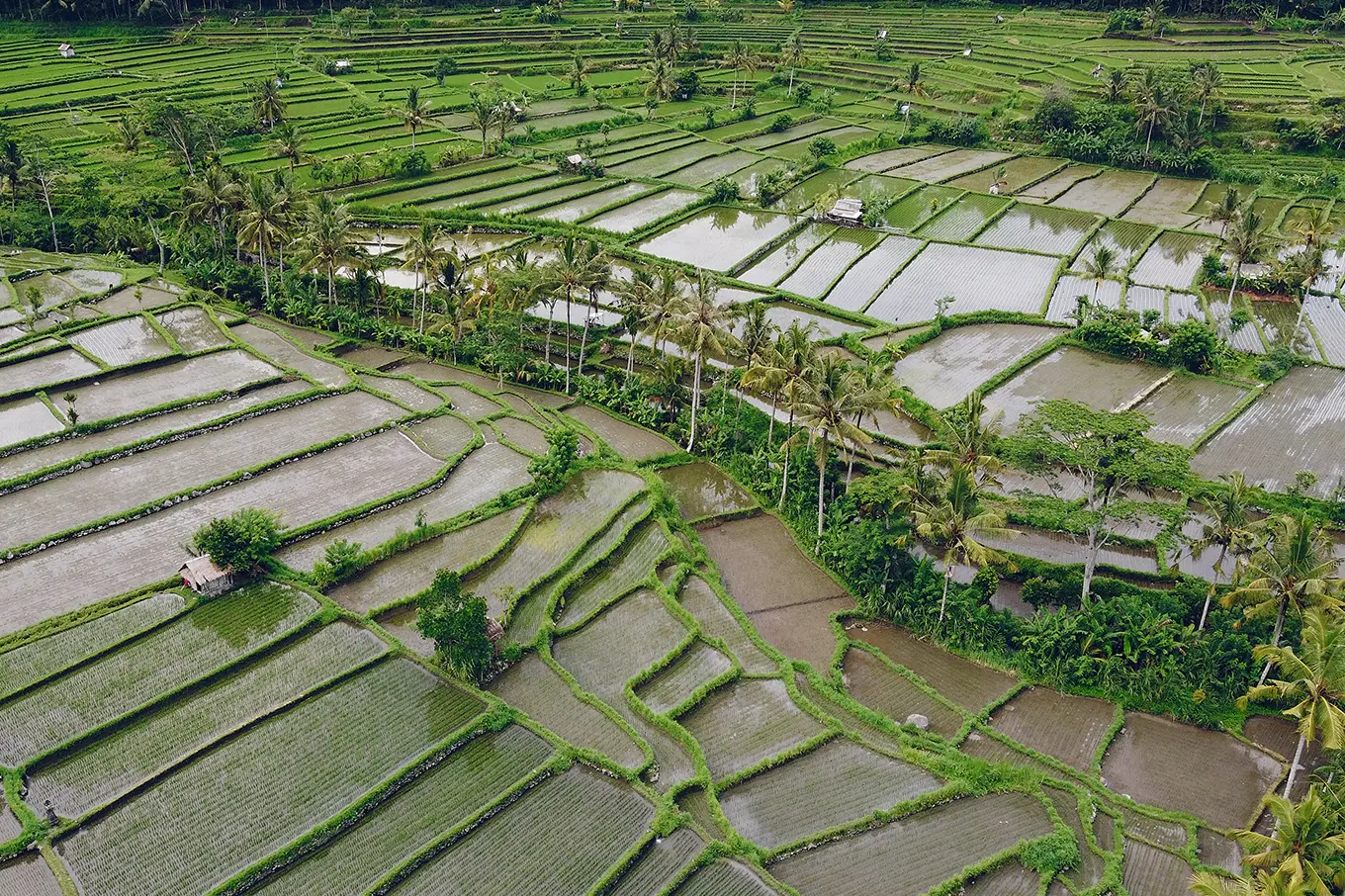
Bali is famous for its beautiful rice terraces, traditional villages, and rich cultural heritage. Behind many of these landscapes is an agricultural tradition that has supported local communities for generations. Known as subak irrigation, this traditional water management system plays an important role in maintaining rice farming and preserving Balinese culture.
More than a method of distributing water, subak irrigation represents cooperation, shared responsibility, and spiritual values. It connects farmers through a community based system that ensures agricultural resources are distributed fairly. Understanding subak irrigation also offers visitors a deeper perspective on how Balinese people maintain harmony between nature, society, and spirituality.
What Is the Subak Irrigation System in Bali?
Subak irrigation is a traditional water management system developed by Balinese farmers to distribute water to rice fields. It is believed to have existed for centuries and remains an essential part of agricultural life in Bali.
The subak irrigation system is managed collectively by groups of farmers who share water resources from rivers, springs, and mountain lakes. Each group, known as a subak, has its own members, regulations, and organizational structure.
Unlike modern irrigation systems that often depend on centralized management, subak irrigation emphasizes community participation. Farmers work together to maintain canals, manage water distribution, and organize planting schedules.
This system also has a spiritual dimension. Farmers commonly hold ceremonies at water temples to express gratitude and ask for blessings for their agricultural activities. Therefore, subak irrigation is not simply an agricultural technique but also an important part of Balinese identity.
How Does Subak Irrigation Work in Traditional Farming?
The way subak irrigation works is based on cooperation and careful water distribution. Water from natural sources is directed through traditional canals and channels before reaching individual rice fields.
Farmers coordinate with other members to ensure that everyone receives sufficient water according to their agricultural needs. The distribution process follows agreed rules to prevent conflicts and maintain fairness among participating farmers.
Several important activities support the subak irrigation system, including:
-
Water distribution: Farmers share water through canals and smaller channels connected to their rice fields.
-
Planting schedules: Members coordinate planting periods to manage water availability and reduce potential pest problems.
-
Canal maintenance: Farmers work together to clean and repair irrigation channels so water can flow properly.
-
Community meetings: Members discuss agricultural activities, water allocation, and issues affecting their rice fields.
-
Religious ceremonies: Farmers conduct traditional rituals to express gratitude for water and agricultural prosperity.
Through these activities, subak irrigation creates an organized farming environment where individual farmers depend on collective decisions. This cooperation helps maintain agricultural productivity while protecting shared natural resources.
Why Is the Subak Irrigation System Important in Bali?
The subak irrigation system is important because it supports agriculture, strengthens community relationships, and preserves traditional knowledge. Rice is a major part of Balinese daily life, making reliable water distribution essential for local farmers.
One of the main benefits of subak irrigation is its ability to distribute water fairly. Farmers can coordinate their activities instead of competing for limited resources. This arrangement also encourages cooperation when dealing with environmental challenges.
Beyond agriculture, subak irrigation contributes to Bali's cultural identity. The system reflects traditional values that have been passed down through generations. Its continued existence demonstrates how local communities maintain their customs while adapting to modern challenges.
The cultural importance of this tradition is also internationally recognized. In 2012, UNESCO included the Cultural Landscape of Bali Province: the Subak System as a Manifestation of the Tri Hita Karana Philosophy on its World Heritage List.
This recognition highlights the relationship between agricultural practices, traditional institutions, and spiritual beliefs in Bali. It also encourages efforts to protect the landscapes and communities that sustain the subak irrigation system.
What Is the Relationship Between Subak and Tri Hita Karana?
The relationship between subak irrigation and Tri Hita Karana is closely connected to Balinese philosophy. Tri Hita Karana refers to three principles of harmony: harmony between humans and God, humans and other people, and humans and nature.
These principles can be seen throughout the traditional agricultural system.
-
Parahyangan: Represents the relationship between humans and God. Farmers express gratitude through religious ceremonies at water temples.
-
Pawongan: Represents relationships between people. Farmers cooperate, attend community meetings, and share water resources.
-
Palemahan: Represents the relationship between humans and nature. Responsible water management helps protect agricultural land and natural resources.
Through these principles, subak irrigation becomes more than a practical farming arrangement. It reflects a way of life that encourages balance between spiritual responsibilities, social relationships, and environmental protection.
This philosophy is one reason why the subak irrigation system remains culturally significant in Bali.
Where Can Visitors See Traditional Subak Irrigation in Bali?
Visitors interested in Balinese agricultural traditions can explore several destinations where traditional irrigation landscapes remain visible. These places offer opportunities to appreciate the scenery while learning about local farming communities.
Some popular destinations include:
-
Jatiluwih Rice Terraces: Located in Tabanan Regency, Jatiluwih is one of Bali's most famous rice terrace landscapes and part of the UNESCO-listed cultural landscape.
-
Tegallalang Rice Terraces: Situated north of Ubud, this destination is known for its beautiful layered rice fields and scenic walking paths.
-
Belimbing Rice Terraces: Also located in Tabanan, Belimbing offers a quieter rural atmosphere with expansive rice fields and traditional village surroundings.
At these destinations, visitors can observe how water flows through rice terraces and appreciate the agricultural landscapes maintained by local communities. Guided visits can also provide additional insights into the history and cultural values behind subak irrigation.
Exploring these areas is a meaningful way to understand Bali beyond its beaches and popular tourist attractions.
If you visit Bali, you can stay at Alzeto Co Living, one of the co-living spaces in Bali for tourism who want to relax and connect. It can be a comfortable place to stay while exploring the island's cultural traditions, discovering local communities, and experiencing the spiritual side of Bali.
Published on 16 November 2026

