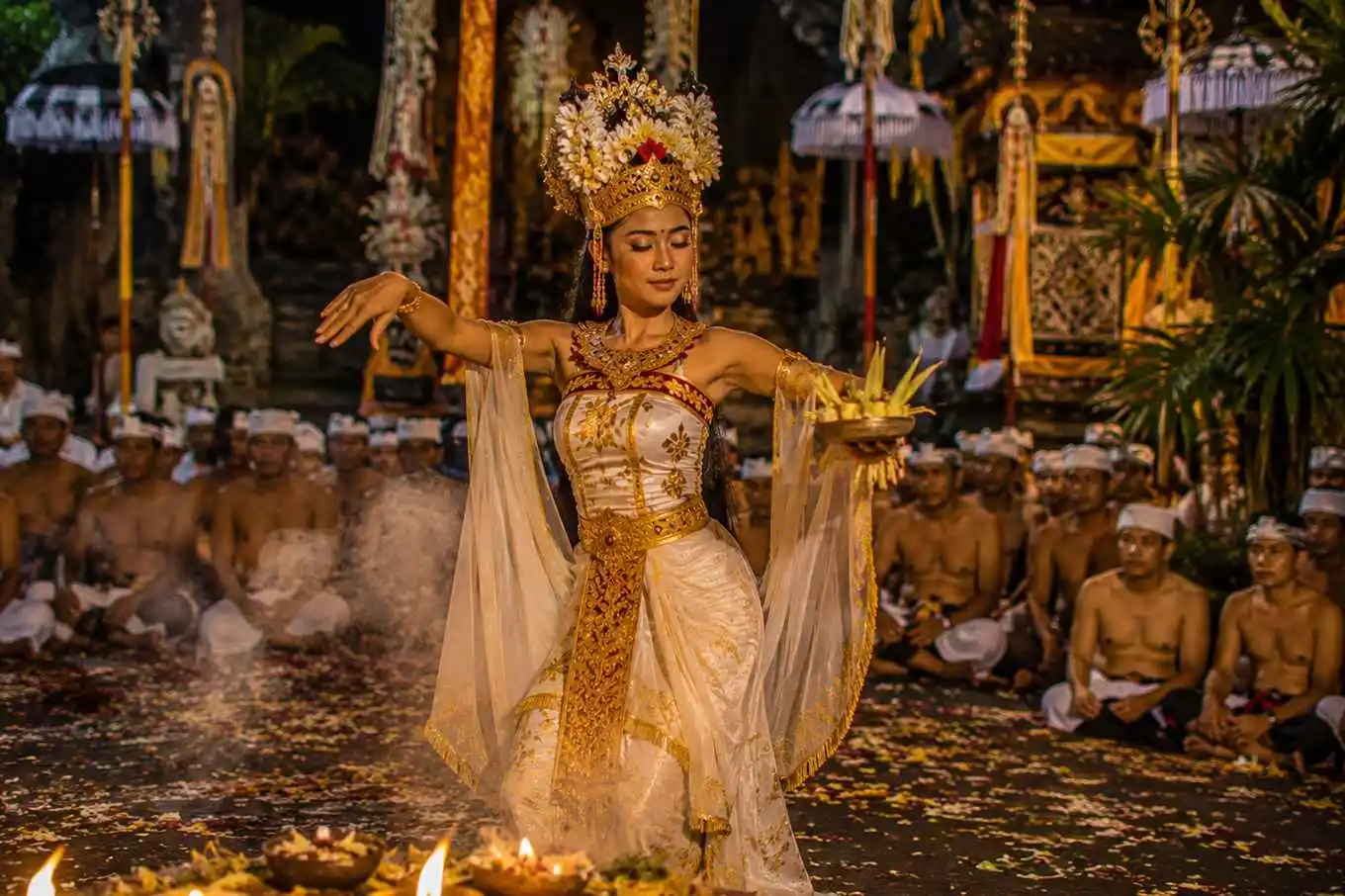
Bali is renowned for its vibrant traditions, spiritual ceremonies, and unique performing arts that have been preserved for centuries. Among these remarkable cultural treasures, Sanghyang Dedari stands out as one of the island's most sacred ritual dances. Unlike performances created solely for entertainment, Sanghyang Dedari is deeply connected to Balinese Hindu beliefs, where dance becomes a medium for spiritual communication and protection.
Often compared with the Sanghyang Dadari Dance, this ancient tradition continues to fascinate both locals and visitors who seek to understand the spiritual side of Balinese culture. The Sanghyang Dadari Dance is not performed regularly on a stage but during specific religious ceremonies, making every performance meaningful and unique.
What Is Sanghyang Dedari?
Sanghyang Dedari is a sacred Balinese trance dance performed by two young pre pubescent girls believed to become temporarily possessed by divine spirits. During the ritual, the dancers enter a trance state after listening to repetitive chanting performed by the surrounding community.
Unlike modern performances that rely on choreographed movements, Sanghyang Dedari is considered a spiritual ceremony. The dancers move gracefully without formal rehearsal because Balinese people believe the movements are guided by holy spirits rather than human intention.
Many visitors know this tradition as the Sanghyang Dadari Dance, since "Dedari" means heavenly maiden or celestial nymph in Balinese. The dance symbolizes purity, harmony, and divine protection for the village where it is performed.
The purpose of Sanghyang Dedari is not entertainment but spiritual cleansing. Communities perform the ritual to drive away negative energy, restore balance, and pray for protection from disease or natural disasters.
Why Is the Dance Considered Sacred?
The sacred status of Sanghyang Dedari comes from its spiritual function rather than its artistic performance. According to Balinese Hindu tradition, the dancers temporarily become vessels for divine spirits during the ceremony.
Before performing Sanghyang Dedari, various purification rituals are conducted by priests and community members. Offerings, incense, holy water, and traditional prayers prepare both the performers and the ceremonial grounds.
The chanting, known as "gending Sanghyang," creates a hypnotic atmosphere that helps the dancers enter a trance. During the ritual, the young girls often dance with their eyes closed while maintaining remarkable balance and coordination.
The Sanghyang Dadari Dance reflects the Balinese philosophy of maintaining harmony between humans, nature, and the spiritual world. Because of this sacred purpose, photography and audience behavior are often expected to remain respectful.
Unlike commercial dance shows, Sanghyang Dedari remains closely tied to temple ceremonies and village traditions, making it one of Bali's most authentic religious performances.
Where Can You Watch Sanghyang Dedari?
Watching Sanghyang Dedari requires careful planning because performances are not held daily. Instead, they usually take place during temple festivals, village ceremonies, or important religious celebrations.
Several villages in Bali are known for preserving the Sanghyang Dadari Dance, including:
-
Bona Village in Gianyar
-
Geriana Kauh Village in Karangasem
-
Selected traditional villages in Bangli
-
Certain communities in Tabanan during temple festivals
Visitors interested in Sanghyang Dedari should check local ceremony schedules before traveling, as performances depend on the Balinese religious calendar rather than tourism demand.
Some cultural festivals occasionally include demonstrations of the Sanghyang Dadari Dance, although the most authentic experience remains witnessing the dance during an actual religious ceremony.
Respectful attire is essential when attending Sanghyang Dedari. Visitors are generally expected to wear a sarong and sash when entering temple areas and follow any guidance provided by local organizers.
What Is the History Behind the Dance?
The origins of Sanghyang Dedari date back hundreds of years, long before Bali became a popular tourist destination. Historians believe the tradition developed as part of ancient rituals intended to protect villages from epidemics, crop failure, and spiritual disturbances.
Before modern medicine, Balinese communities relied heavily on spiritual ceremonies like Sanghyang Dedari to seek divine assistance during difficult times.
The Sanghyang Dadari Dance belongs to a broader family of Sanghyang rituals found throughout Bali. Other variations include Sanghyang Jaran and Sanghyang Bojog, each featuring different performers and symbolic meanings while sharing the same spiritual purpose.
Over generations, elders carefully passed the knowledge of Sanghyang Dedari to younger community members. This oral tradition has helped preserve the dance despite changing times and increasing tourism.
Today, Sanghyang Dedari represents both Bali's living cultural heritage and the enduring importance of spiritual traditions within local communities.
Can Tourists Attend the Performance?
Yes, tourists can attend Sanghyang Dedari performances when local communities welcome visitors. However, it is important to remember that the ceremony is first and foremost a religious ritual rather than a tourist attraction.
When watching the Sanghyang Dadari Dance, visitors should:
-
Dress modestly with appropriate temple clothing.
-
Follow local customs and instructions.
-
Avoid disrupting prayers or ceremonial activities.
-
Keep noise to a minimum.
-
Ask permission before taking photographs or videos.
-
Respect restricted areas within temple grounds.
Experiencing Sanghyang Dedari offers travelers a rare opportunity to witness a tradition that continues to play an essential role in Balinese spiritual life. Rather than simply observing a dance performance, visitors gain insight into the beliefs, values, and community spirit that have shaped Bali for centuries.
The Sanghyang Dadari Dance remains one of the island's most extraordinary cultural experiences because it combines devotion, artistry, and spirituality in a way that has remained largely unchanged across generations.
Sanghyang Dedari is far more than a traditional dance it is a sacred ritual that reflects Bali's profound spiritual heritage. Through trance, prayer, and community participation, Sanghyang Dedari continues to preserve ancient beliefs while strengthening the bond between people, nature, and the divine. Whether you are interested in Balinese history, religious traditions, or cultural performances, witnessing the Sanghyang Dadari Dance is an unforgettable experience that offers a deeper understanding of the Island of the Gods.
If you visit Bali, you can stay at Alzeto Co Living, one of the co-living spaces in Bali for tourism who want to relax and connect.
Published on 14 August 2026

