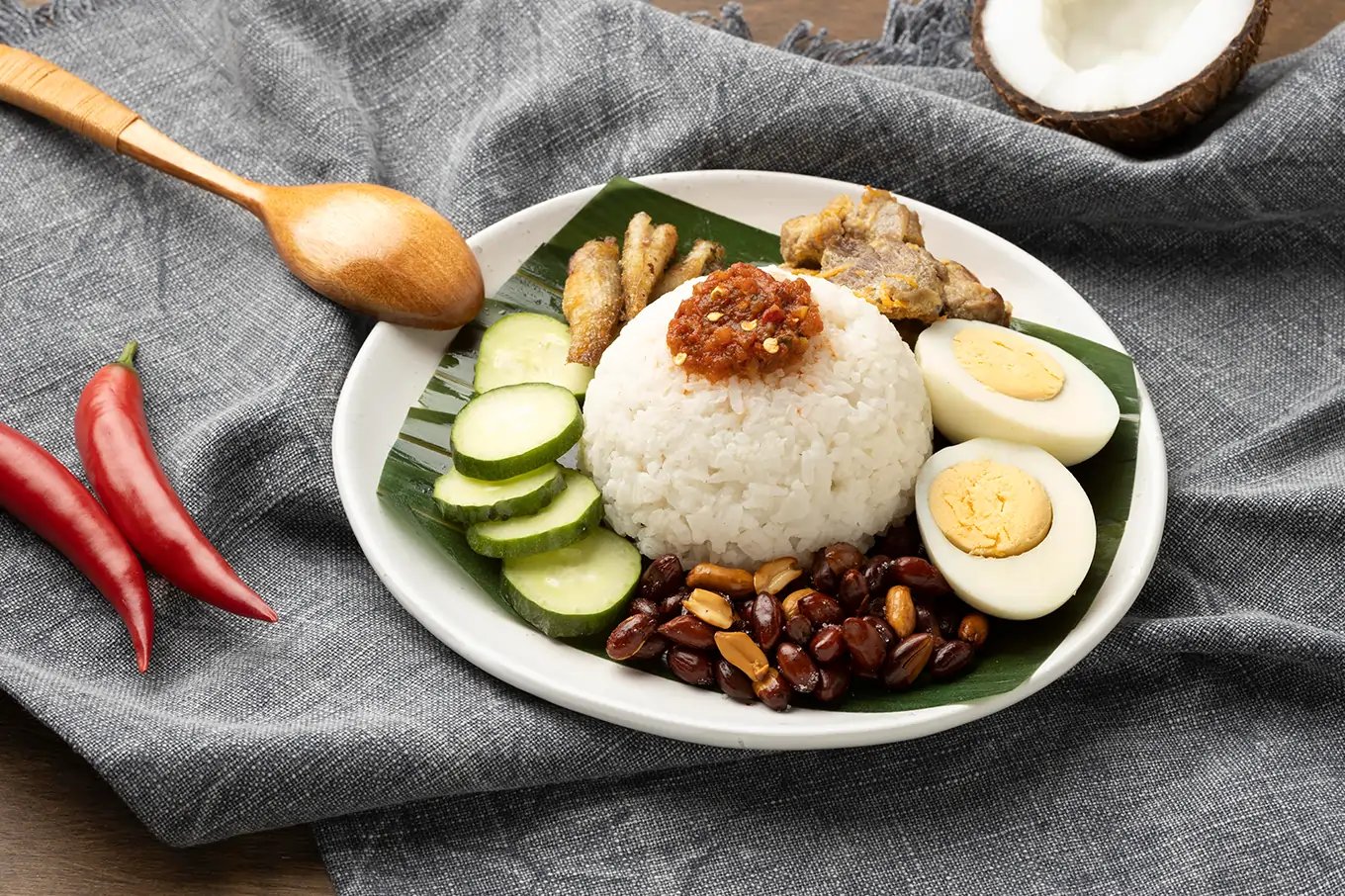
Nasi Jinggo: Exploring Bali’s Famous Spicy and Savory Rice Pack
Among the many flavorful dishes found on the island of Bali, nasi jinggo stands out as one of the most beloved and culturally significant. This humble rice pack, wrapped in banana leaves and filled with sambal, shredded chicken, noodles, and sometimes fried tempeh, carries a unique charm that represents the essence of Balinese simplicity. Despite its modest size, nasi jinggo offers a burst of taste, spicy, savory, and deeply aromatic. For both locals and travelers, nasi jinggo has become a symbol of an authentic culinary experience that reflects Bali’s vibrant street food culture.
Today, many food enthusiasts are also curious about the nasi jinggo recipe, trying to recreate the iconic Balinese flavors at home. Whether enjoyed at roadside stalls, late night markets, or prepared in home kitchens, nasi jinggo remains a timeless favorite.
A Brief History of Nasi Jinggo
The origins of nasi jinggo date back to the late 1980s in Denpasar. Originally sold as an affordable late night meal, it quickly became popular among workers, students, and motorbike riders seeking a tasty and convenient bite. The word “jinggo” is believed to come from the Hokkien word “jeng go,” meaning “one thousand five hundred,” referring to the dish’s early price of Rp1.500 per pack.
Despite its simple beginnings, nasi jinggo grew into an iconic Balinese staple that is loved by people from all walks of life. Today, its popularity continues to rise, and many people from outside Bali search online for the authentic nasi jinggo recipe so they can recreate its flavors wherever they are.
Ingredients Commonly Found in Nasi Jinggo
Nasi Jinggo, a Balinese street food favorite, features small banana leaf bundles filled with fragrant rice, spicy sambal, and simple sides like shredded chicken, tempeh, or noodles.
The Flavorful Components
The beauty of nasi jinggo lies in its combination of everyday ingredients prepared with rich seasonings. A typical pack contains steamed rice, spicy sambal, shredded chicken cooked in Balinese spices, stir fried noodles, and crispy additions like fried tempeh or peanuts. The banana leaf wrapping adds a signature aroma and keeps the food warm.
Because of its simplicity, many home cooks find it easy to experiment with the nasi jinggo recipe, adjusting spice levels or adding personal touches while still staying true to its traditional roots.
Variations Across Bali
While the classic version is most common, different regions in Bali may offer slight variations of nasi jinggo. Some may feature spicier sambal, while others include shredded pork or special Balinese seasonings. These variations contribute to the growing interest in finding the most authentic nasi jinggo recipe, especially among culinary explorers.
How to Make Nasi Jinggo at Home
For those eager to recreate the dish in their own kitchens, the nasi jinggo recipe is relatively approachable. It usually begins with preparing Balinese bumbu base genep, a blend of shallots, garlic, turmeric, ginger, lemongrass, and chilies. This seasoning is then used to cook the shredded chicken, ensuring it absorbs deep and vibrant flavors. The sambal, often the highlight of nasi jinggo, requires a generous selection of chilies to achieve its signature heat.
The final step involves assembling the dish: placing a portion of rice on a banana leaf, adding chicken, sambal, and side dishes. Wrapping it tightly helps preserve the aroma and allows the flavors to meld beautifully. As more travelers fall in love with Balinese cuisine, the search for the perfect nasi jinggo recipe continues to grow.
Why Nasi Jinggo Remains Loved Today?
There are many reasons why nasi jinggo remains a popular choice among locals and visitors. First, its affordability makes it accessible to everyone. Second, its bold flavors appeal to those who appreciate spicy and aromatic dishes. Third, its simplicity and portability make it a convenient meal at any time of day. Finally, its cultural significance makes nasi jinggo more than just food, it is a reflection of Balinese life, community, and tradition.
The rising interest in the nasi jinggo recipe also shows how deeply the dish resonates with people around the world who want to bring a taste of Bali into their homes.
Nasi jinggo is more than a small rice pack, it is a flavorful representation of Balinese street food heritage. Its spicy sambal, tender chicken, aromatic banana leaf, and modest size create a unique culinary experience that continues to captivate food lovers. Whether you enjoy it at a night stall, try variations from different regions, or experiment with your own nasi jinggo recipe, the charm of nasi jinggo remains undeniable.
If you ever visit Bali, make sure to try this iconic dish firsthand, and if you visit Bali, you can stay at Alzeto Co Living, one of the co living options in Bali for tourists who want to relax and connect.
Published on 08 December 2025

