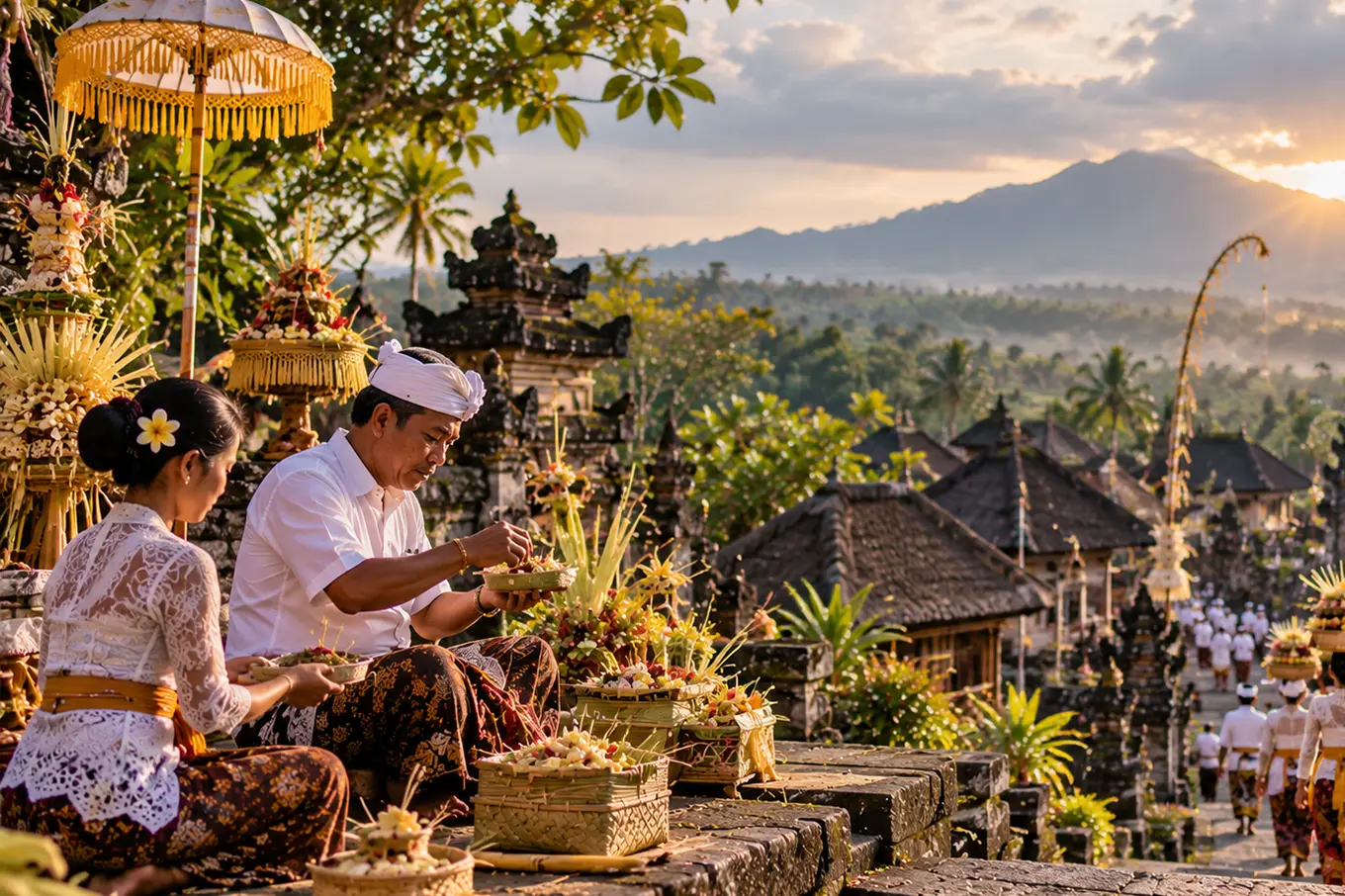
Bali is known for its rich traditions, spiritual values, and cultural practices that continue to shape everyday life. Behind many Balinese customs is a philosophy that encourages people to understand the relationship between place, time, and circumstances. This philosophy is known as Desa Kala Patra, an important principle that helps communities preserve their traditions while adapting to changing situations.
Understanding Desa Kala Patra provides valuable insight into how Balinese people maintain harmony between cultural heritage and modern life. Rather than following every tradition in exactly the same way, this concept recognizes that customs may differ depending on local environments, historical periods, and specific circumstances. For visitors, learning about the Desa Kala Patra meaning can offer a deeper appreciation of Bali's cultural diversity and the values behind its traditional ceremonies.
What Does Desa Kala Patra Mean?
The Desa Kala Patra meaning comes from three Sanskrit-derived terms commonly used in Balinese Hindu philosophy. Desa refers to place, kala means time, and patra refers to circumstances, conditions, or the person involved. Together, these elements describe the importance of considering the surrounding context before deciding how to act.
In Balinese culture, Desa Kala Patra teaches people to consider where an activity takes place, when it happens, and what circumstances influence it. The same tradition may be practiced differently across villages because each community has its own customs, resources, and historical experiences.
This principle does not mean abandoning cultural values. Instead, it encourages people to preserve the essential meaning of a tradition while recognizing that its expression can vary. Understanding the Desa Kala Patra meaning helps explain why Balinese customs remain dynamic rather than completely identical across the island.
What Is the Concept of Desa Kala Patra in Bali?
The concept of Desa Kala Patra is closely connected to the way Balinese communities organize religious ceremonies, social activities, and traditional practices. It encourages people to make decisions based on local conditions instead of applying a single approach to every situation.
The three elements work together in everyday cultural life:
-
Desa (place): Local geography, village traditions, and community customs influence how activities are organized.
-
Kala (time): Religious calendars, ceremonial dates, and changing historical conditions help determine when particular activities occur.
-
Patra (circumstances): Available resources, community needs, and specific situations influence how traditions are carried out.
For example, a religious ceremony in a coastal village may involve offerings and activities associated with the sea, while a ceremony in a mountainous village may reflect the surrounding landscape and local traditions.
Through Desa Kala Patra, communities can maintain shared spiritual values while expressing them in ways that suit their environment. This flexibility is one reason Bali has diverse cultural practices across different regions.
Why Is Desa Kala Patra Important in Balinese Culture?
Desa Kala Patra is important because it helps preserve cultural identity without preventing communities from responding to changing circumstances. Balinese traditions have developed over generations, and this philosophy offers a way to maintain their significance while allowing appropriate adjustments.
One important benefit is cultural preservation. Communities can continue practicing ancestral customs while adapting certain details to their current needs. This approach helps traditions remain meaningful to younger generations.
Another benefit is social harmony. Recognizing differences between villages encourages mutual respect instead of assuming that every community must follow identical practices. Local customs can be understood within their own cultural context.
The philosophy also supports practical decision-making. Ceremonies may require substantial preparation, materials, and community participation. Considering local conditions helps people organize these activities more appropriately.
For travelers, learning about Desa Kala Patra encourages respectful cultural exploration. Visitors can better understand why ceremonies, offerings, and traditional practices may differ between destinations. It also reminds travelers that Bali is not culturally uniform, even when communities share broader religious and spiritual values.
How Is Desa Kala Patra Applied in Daily Life?
The principles of Desa Kala Patra extend beyond religious ceremonies. They can also guide everyday decisions, relationships, and interactions within Balinese society.
In family life, people may consider age, responsibilities, and circumstances when deciding how to communicate or resolve disagreements. Respectful behavior can take different forms depending on the people involved and the situation.
In community activities, local leaders may adjust the organization of meetings, ceremonies, or social gatherings according to available resources and community needs. The purpose remains the same, even when the practical arrangements change.
The philosophy is also relevant to tourism. Visitors should consider the location, timing, and circumstances when entering temples or attending cultural events. For instance, wearing appropriate clothing, following temple rules, and avoiding disruptions during prayers demonstrate awareness of local expectations.
By applying Desa Kala Patra, people learn that respectful behavior requires understanding the context rather than relying on assumptions. This lesson is valuable for both residents and international visitors who want to engage meaningfully with Balinese culture.
What Are Examples of Desa Kala Patra?
Several cultural practices illustrate how Desa Kala Patra operates in Bali. These examples show how communities maintain shared values while adapting traditions to different settings.
Traditional ceremonies: Village ceremonies may differ in their offerings, schedules, and arrangements according to local customs. The underlying spiritual purpose can remain similar despite these variations.
Temple celebrations: Religious celebrations are influenced by the temple's traditions, ceremonial calendar, and community responsibilities. These factors help determine how each celebration is conducted.
Traditional architecture: Balinese buildings often reflect local environmental conditions, available materials, and community traditions. Architectural choices may differ between coastal and mountainous areas while maintaining recognizable Balinese characteristics.
Community cooperation: Residents may organize communal activities according to the number of participants, available time, and practical needs. Adjusting arrangements helps ensure that community responsibilities can be fulfilled effectively.
These examples demonstrate that Desa Kala Patra is not simply an abstract philosophical idea. It is a practical way of understanding how cultural values can remain relevant across different places, times, and circumstances.
For travelers, observing these differences can make a visit to Bali more meaningful. Taking time to learn about local customs, ask respectful questions, and follow community guidance provides opportunities to appreciate the island beyond its beaches and popular attractions.
Understanding Desa Kala Patra ultimately offers a window into Bali's approach to cultural continuity and adaptation. It highlights the importance of respecting local wisdom while recognizing that traditions can evolve alongside the communities that preserve them.
If you visit Bali, you can stay at Alzeto Co Living, one of the co-living spaces in Bali for tourism who want to relax and connect. It offers a place to unwind while exploring the island's cultural heritage, local communities, and distinctive traditions.
Published on 21 October 2026

