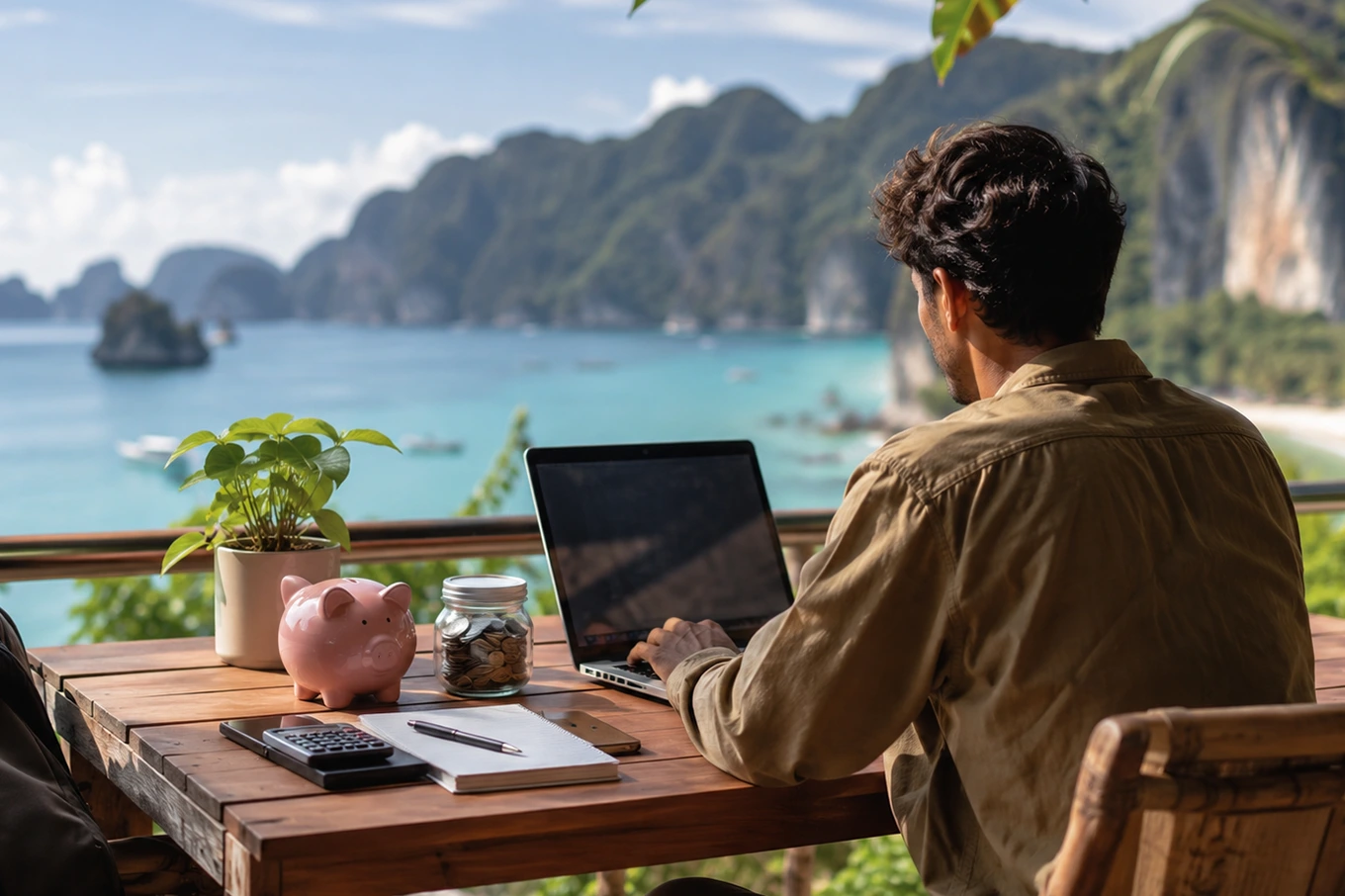
Working remotely while traveling sounds exciting, but managing money on the road can be challenging. Budgeting as a digital nomad helps you enjoy new destinations without constantly worrying about running out of money. Unlike traditional vacations, digital nomads may stay in one place for weeks or months, so expenses such as accommodation, food, transportation, and internet need to be planned carefully.
Understanding how to budget as a digital nomad can also make your travels more sustainable. With a realistic financial plan, you can balance work, travel, and leisure while still building savings for your next destination.
How Do Digital Nomads Create a Budget?
The first step in budgeting as a digital nomad is understanding how much money you have available each month. Start by calculating your monthly income after taxes and separating it into essential expenses, travel costs, savings, and entertainment.
A simple monthly budget can include:
-
Accommodation: 25–40% of your monthly budget
-
Food and groceries: 15–25%
-
Transportation: 5–15%
-
Internet and phone: 5–10%
-
Entertainment: 5–10%
-
Emergency savings: 10–20%
These percentages are flexible depending on your destination and lifestyle. Someone staying in an affordable city may spend less on accommodation, while a nomad in a popular tourist destination could spend significantly more.
When learning how to budget as a digital nomad, track your spending for at least one month. This gives you a realistic picture of your habits rather than relying on assumptions.
It is also helpful to create separate accounts for daily expenses and savings. This makes budgeting as a digital nomad easier because money intended for emergencies or future travel is less likely to be spent accidentally.
What Are the Biggest Monthly Expenses?
Accommodation is often the biggest expense for digital nomads. Depending on the destination, monthly rent can cost considerably more than food or transportation. Therefore, choosing the right location is an important part of budgeting as a digital nomad.
Food is another major category. Eating at restaurants every day can quickly increase your monthly expenses. Preparing some meals yourself and choosing local restaurants can help you maintain a reasonable budget.
Transportation also deserves attention. Frequent flights, taxis, and ride-hailing services can become expensive. Staying in a walkable neighborhood or using public transportation can reduce unnecessary costs.
Internet and coworking expenses may also be important for remote workers. A reliable connection is essential when meetings, client communication, and project deadlines depend on it.
For anyone wondering how to budget as a digital nomad, it is useful to separate fixed expenses from variable expenses. Rent and subscriptions are usually predictable, while entertainment and dining can change considerably from month to month.
How Can You Reduce Accommodation Costs?
Reducing accommodation costs is one of the easiest ways to improve budgeting as a digital nomad. Instead of booking hotels every few nights, consider monthly rentals, co-living spaces, guesthouses, or long-term accommodation.
Staying longer in one destination can sometimes provide better rates. Many accommodation providers offer discounts for weekly or monthly stays, which can make your overall travel budget more manageable.
Another useful strategy is choosing destinations with lower living costs. You do not always need to stay in the most famous tourist area. A neighborhood slightly outside the center may offer more affordable accommodation while still providing convenient access to restaurants, transportation, and coworking facilities.
If you want to learn how to budget as a digital nomad, compare the total cost of living rather than focusing only on rent. A cheaper apartment far from everything may cost more once transportation expenses are included.
Co-living can also be practical because accommodation, community, and sometimes shared facilities are combined in one place. This can simplify budgeting as a digital nomad while also providing opportunities to meet other travelers and remote workers.
Which Budgeting Apps Are Useful?
Using a budgeting app can make budgeting as a digital nomad much easier because your expenses may come from different currencies and payment methods.
Apps such as YNAB, Wallet, and other expense tracking platforms can help categorize spending, monitor monthly limits, and track financial goals. A simple spreadsheet can also work if you prefer greater control over your data.
When deciding how to budget as a digital nomad, choose a system that you will actually use consistently. There is no benefit to having a sophisticated financial app if you rarely update your expenses.
Try recording spending immediately after making a purchase. Categorize expenses into accommodation, food, transportation, work, entertainment, and savings. Reviewing these categories every week can help identify areas where you are spending more than expected.
Currency conversion is another important consideration. When moving between countries, keep track of exchange rates and foreign transaction fees. These small costs can add up over several months.
How Much Should You Save Before Traveling?
Before starting a long term trip, building an emergency fund should be part of budgeting as a digital nomad. Ideally, have enough savings to cover several months of essential expenses.
The exact amount depends on your income stability, destination, and personal circumstances. Freelancers with unpredictable income may want a larger financial buffer than someone with a stable remote salary.
A useful approach is to calculate your average monthly essential expenses and multiply that figure by three to six months. This gives you a starting point for determining your emergency fund.
You should also set aside money for unexpected flights, medical needs, equipment replacement, visa expenses, or periods when work income decreases. Learning how to budget as a digital nomad means preparing not only for your ideal travel plans but also for unexpected situations.
Finally, review your budget regularly. Your expenses may change when you move to another country, switch accommodation, or change your work situation. Flexible planning is one of the most important principles of budgeting as a digital nomad.
If you visit Bali, you can stay at Alzeto Co Living, one of the co-living spaces in Bali for tourism who want to relax and connect.
FAQ
1. What is the best way to start budgeting as a digital nomad?
Start by calculating your monthly income and essential expenses. Then create spending limits for accommodation, food, transportation, entertainment, and savings.
2. How much money does a digital nomad need per month?
The amount varies depending on the destination, accommodation, lifestyle, and travel frequency. Creating a personal monthly budget is more useful than following one fixed amount.
3. How can digital nomads save money on accommodation?
Consider monthly rentals, co-living spaces, guesthouses, and longer stays. Choosing locations outside expensive tourist centers can also reduce accommodation costs.
4. Are budgeting apps useful for digital nomads?
Yes. Budgeting apps can help track expenses, organize spending categories, monitor financial goals, and manage expenses when traveling between countries.
5. How much emergency savings should a digital nomad have?
A common target is three to six months of essential living expenses. Those with irregular income may benefit from keeping a larger emergency fund.
Published on 20 August 2026

