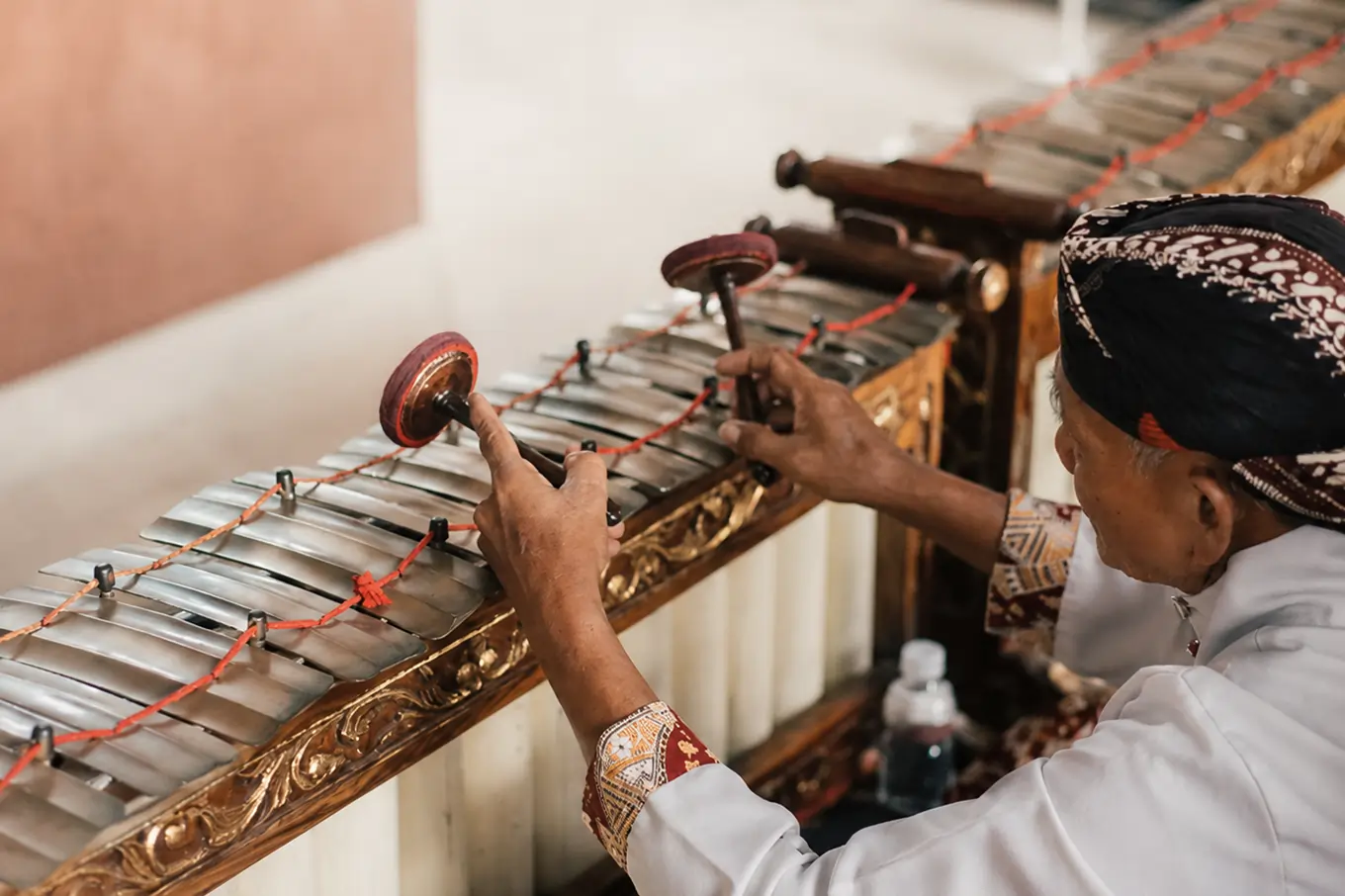
Balinese music is one of Indonesia’s most distinctive cultural treasures, recognized for its layered rhythms, expressive performances, and deep connection to spiritual and social life. Across the island, balinese music continues to shape ceremonies, community gatherings, and artistic traditions that have been preserved for generations. At the center of this musical identity stands gamelan balinese music, a traditional ensemble known for its vibrant tones and synchronized performance style.
Unlike many musical traditions that focus on solo expression, balinese music emphasizes collective harmony. Every instrument contributes to a larger composition, creating dynamic soundscapes that reflect cooperation and cultural values. Whether heard during temple ceremonies or cultural performances, gamelan balinese music remains an essential part of Bali’s identity.
Understanding Balinese Music and Its Origins
The roots of balinese music stretch back centuries and evolved through the influence of religious practices, royal courts, and local communities. Historically, music played an important role in rituals dedicated to spiritual balance and social connection. Over time, different forms of balinese music emerged while maintaining traditional structures and techniques.
One of the most recognizable elements of balinese music is its ability to combine powerful energy with precise coordination. Musicians often perform in groups, where timing and interaction are valued more than individual performance. This approach gives balinese music its distinctive character and immersive atmosphere.
Today, visitors from around the world travel to Bali to experience authentic performances and better understand how gamelan balinese music continues to influence modern cultural expression.
What Makes Gamelan Balinese Music Unique?
Gamelan balinese music refers to an ensemble of traditional instruments played together to create layered melodies and rhythmic complexity. The ensemble typically includes metallophones, gongs, drums, cymbals, and bamboo instruments.
What separates gamelan balinese music from other musical traditions is the concept of interlocking rhythms. Multiple players perform complementary patterns that combine into a unified sound. This creates fast-moving textures and dramatic shifts in intensity.
Another defining feature of gamelan balinese music is the relationship between movement and sound. Performances often accompany dance, theatrical storytelling, and ceremonial events. In many cases, balinese music acts as both entertainment and spiritual expression.
Because of this strong cultural role, learning balinese music is often considered an important part of preserving Balinese heritage.
Instruments Commonly Found in Balinese Music
Traditional ensembles include several iconic instruments that shape the identity of balinese music.
-
Gangsa: Metallophones responsible for creating melodic structures.
-
Gong: Large percussion instruments used to mark transitions and emphasize rhythm.
-
Kendang: Drums that guide tempo and coordinate performers.
-
Ceng-ceng: Cymbal like instruments adding energetic accents.
-
Suling: Bamboo flute introducing softer melodic textures.
These instruments work together within gamelan balinese music to produce balanced compositions that range from energetic to meditative.
The tuning systems used in balinese music also differ from Western musical scales, giving performances a unique tonal character that listeners often describe as vibrant and immersive.
The Role of Balinese Music in Daily Life
For local communities, balinese music extends far beyond performance spaces. Music appears during religious ceremonies, weddings, temple anniversaries, and community celebrations. Children frequently begin learning instruments at an early age through local music groups.
Because balinese music is embedded in daily activities, performances often strengthen community relationships and preserve cultural identity across generations.
Temple ceremonies especially highlight the importance of gamelan balinese music, where musicians provide accompaniment that enhances the atmosphere and supports ritual practices. In this context, balinese music becomes a living tradition rather than simply a form of entertainment.
Tourists attending cultural events often discover that balinese music creates a deeper appreciation for Bali’s artistic heritage and social values.
Modern Influence and Global Recognition
Although strongly rooted in tradition, balinese music has influenced artists worldwide. Contemporary composers and performers continue to study and adapt techniques inspired by gamelan balinese music into global musical projects.
International festivals, academic programs, and cultural exchanges have introduced balinese music to wider audiences. Many universities now include courses dedicated to understanding the structure and cultural significance of gamelan balinese music.
Despite modernization, local communities remain committed to preserving authentic performance practices. This balance between tradition and innovation allows balinese music to remain relevant while honoring its origins.
Experiencing balinese music in Bali offers more than listening to instruments it provides insight into a culture built around harmony, collaboration, and artistic expression.
Traditional performances continue to remind audiences that gamelan balinese music is not only a musical form but also a reflection of community values and cultural continuity.
If you visit Bali, you can stay at Alzeto Co Living, one of the co-living spaces in Bali for tourism who want to relax and connect.
Published on 29 June 2026

