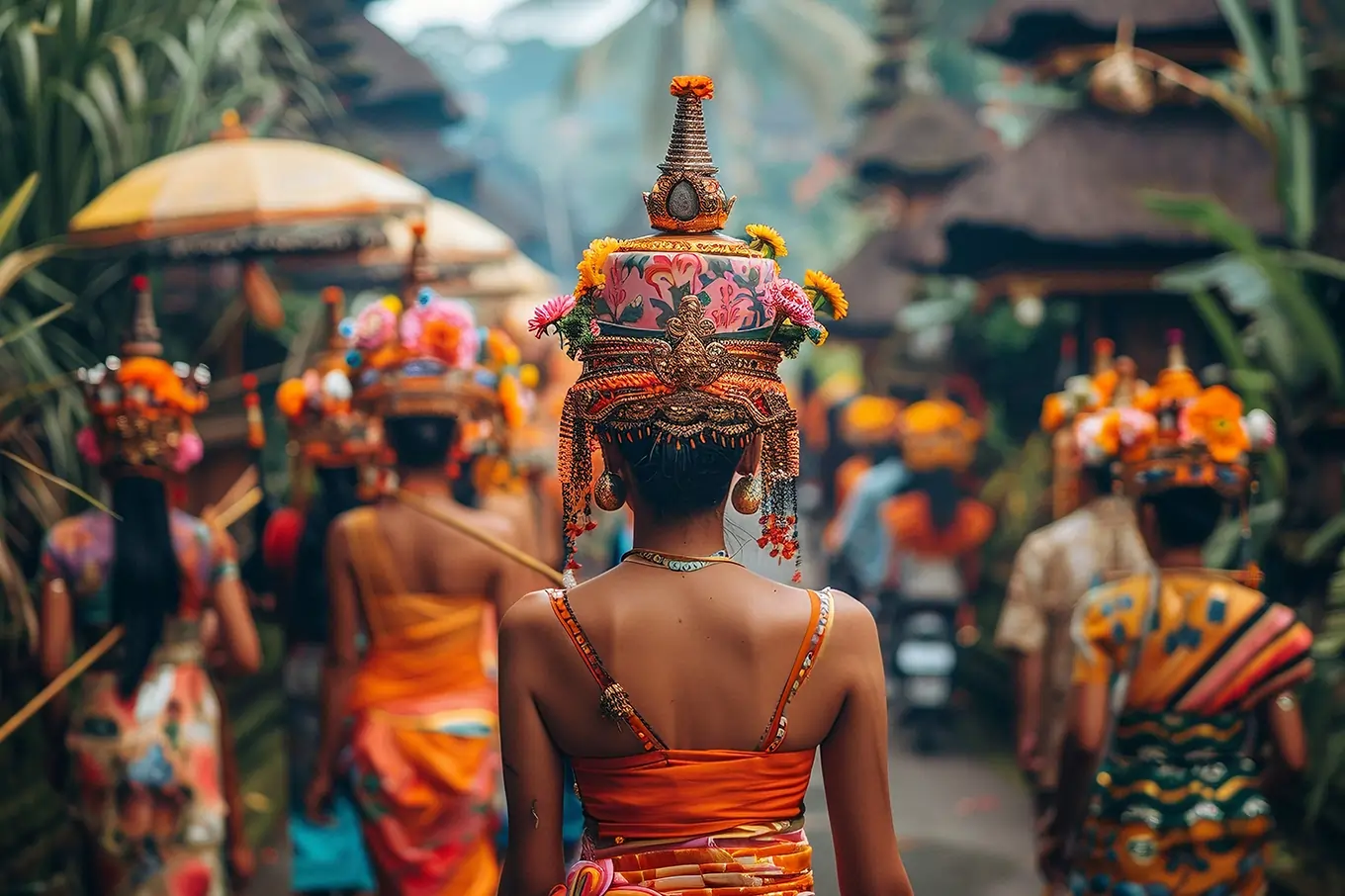
Bali is known around the world for its landscapes and tourism, but the island’s true identity lies in its deep cultural roots. Balinese heritage represents a living tradition shaped by generations of art, spirituality, community values, architecture, and culinary practices. Even as Bali continues to modernize and welcome international visitors, preserving local identity remains an important priority.
Understanding Balinese heritage means appreciating not only ceremonies and temples but also daily life, traditional food, and local customs that continue to influence communities across the island.
What Is Balinese Heritage?
Balinese heritage refers to the collection of cultural values, traditions, beliefs, arts, architecture, language, and social practices that define the identity of Bali. Unlike historical objects kept in museums, much of Balinese heritage remains active and visible in everyday life.
Religious ceremonies, temple festivals, dance performances, and family rituals are still practiced regularly. These customs create a strong connection between people, spirituality, and nature.
Another important aspect of Balinese heritage is the community system. Traditional villages maintain local governance and organize cultural events together. This communal structure helps preserve customs and pass knowledge from one generation to another.
Art also plays a central role in Balinese heritage. Traditional dance, carving, painting, textiles, and music continue to evolve while maintaining their original cultural values.
Historical Influences on Balinese Culture
To understand Balinese heritage, it is important to look at the historical influences that shaped the island.
Early Balinese society was influenced by indigenous traditions before receiving strong cultural connections from Indian Hindu civilization. Hindu philosophy became deeply integrated into local customs and continues to guide religious and social life today.
Over time, Bali also experienced interactions with neighboring kingdoms and international trade routes. Instead of replacing local traditions, these influences blended with existing values and created a unique cultural identity.
One reason Balinese heritage remains strong is the philosophy of harmony. Traditional beliefs encourage balance between humans, nature, and spiritual life. This concept influences architecture, ceremonies, agriculture, and social relationships.
Temple complexes across the island reflect these historical layers and remain important symbols of Balinese heritage.
Modern tourism has introduced global influences, but local communities continue to maintain cultural practices through festivals, education, and daily rituals.
Balinese Heritage Cuisine and Traditions
Food is one of the most meaningful expressions of Balinese heritage, and balinese heritage cuisine plays an essential role in preserving local identity.
Traditional meals are more than nourishment they reflect history, ceremony, and community values. Many dishes served today have been passed down through generations.
Common examples of balinese heritage cuisine include ceremonial rice dishes, slow cooked meats, traditional vegetables, and spice blends prepared using local ingredients.
What makes balinese heritage cuisine unique is the balance of flavors and symbolic meaning behind preparation methods. Food is often connected to religious offerings and celebrations.
Families continue teaching younger generations how to prepare balinese heritage cuisine during ceremonies and community gatherings.
Beyond recipes, balinese heritage cuisine reflects sustainable traditions through seasonal ingredients and local farming practices.
Today, restaurants and cultural programs are helping introduce balinese heritage cuisine to visitors while maintaining authenticity.
Experiencing balinese heritage cuisine gives travelers a deeper understanding of Bali beyond sightseeing.
Because food remains closely connected to daily rituals, balinese heritage cuisine continues to strengthen cultural identity across generations.
Challenges in Cultural Preservation
Although Balinese heritage remains vibrant, preserving cultural traditions comes with challenges.
Rapid tourism development can sometimes shift attention toward commercial experiences rather than authentic practices. Younger generations may also experience changing lifestyles and global influences.
Urban growth and land development can affect traditional spaces that support cultural activities.
Another challenge is maintaining traditional skills. Crafts, performances, and culinary knowledge require time and dedication to learn.
Digital media creates opportunities for promotion but can also simplify traditions into visual attractions without deeper understanding.
To protect Balinese heritage, local communities, cultural institutions, and educators continue creating programs that support language preservation, arts education, and community participation.
Sustainable tourism also encourages visitors to engage respectfully with local customs.
Protecting Balinese heritage is not about resisting change it is about ensuring traditions remain meaningful in modern life.
How Visitors Can Support Local Heritage
Visitors can play an important role in protecting Balinese heritage.
Start by learning basic cultural etiquette before visiting temples or participating in ceremonies. Respect local dress codes and community spaces.
Choose local experiences that support artisans, family owned businesses, and cultural workshops.
Trying traditional food also supports preservation efforts because demand encourages communities to continue producing authentic experiences connected to balinese heritage cuisine.
Travelers can attend cultural performances, purchase handmade products, and participate in educational tours.
Supporting environmental responsibility also helps preserve cultural landscapes connected to Balinese heritage.
Simple actions such as respecting traditions and engaging thoughtfully contribute to keeping Bali’s cultural identity alive for future generations. If you visit Bali, you can stay at Alzeto Co Living, one of the co-living spaces in Bali for tourism who want to relax and connect.
FAQ
-
What is Balinese heritage?
Balinese heritage is the collection of Bali’s cultural traditions, values, arts, religion, and community practices. -
Why is Balinese culture unique?
It combines indigenous traditions with Hindu influences and strong community values. -
What is Balinese heritage cuisine?
It refers to traditional Balinese food connected to local customs and ceremonies. -
What threatens Balinese heritage?
Tourism pressure, modernization, and changing lifestyles are common challenges. -
How can tourists support local heritage?
By respecting traditions, supporting local businesses, and joining authentic cultural experiences.
Published on 26 June 2026

