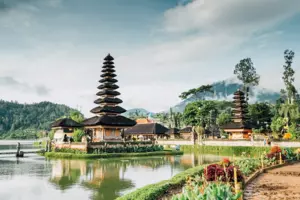
Bali is widely known for its stunning landscapes and rich traditions, but one of its most valuable cultural treasures is Balinese art. For centuries, artistic expression has played an important role in daily life, religious ceremonies, and the preservation of local identity. From temple decorations to contemporary gallery collections, Balinese art reflects the island’s unique blend of spirituality, creativity, and cultural heritage.
Among its many forms, balinese art painting has gained international recognition for its intricate details, storytelling elements, and symbolic meanings. Traditional techniques continue to influence modern artists, creating a dynamic artistic environment that respects heritage while embracing innovation. This article explores the history, styles, painting techniques, cultural influences, and famous art villages that make Balinese art an enduring icon of Bali’s identity.
Overview of Balinese Art
Balinese art is one of Indonesia’s most recognized cultural treasures, reflecting centuries of tradition, spirituality, and artistic expression. Deeply connected to religious beliefs and everyday life, Balinese art represents more than visual beauty it tells stories about history, ceremonies, and the relationship between humans and nature.
Historically, Balinese art developed through the influence of local traditions combined with Hindu culture that arrived in Bali centuries ago. Artists traditionally created works to support temples, rituals, and community events rather than for commercial purposes. Over time, these artistic practices evolved and became admired internationally.
Today, Balinese art continues to thrive through both traditional and contemporary approaches. Visitors can experience paintings, wood carvings, stone sculptures, textiles, and decorative crafts across the island. Among these forms, balinese art painting remains one of the most iconic expressions due to its rich details and symbolic meanings.
The identity of Balinese art lies in its ability to preserve heritage while adapting to changing artistic trends. This balance allows local artists to maintain authenticity while reaching global audiences.
Traditional and Modern Art Styles
The evolution of Balinese art has produced various distinctive styles that continue to shape the island’s artistic landscape.
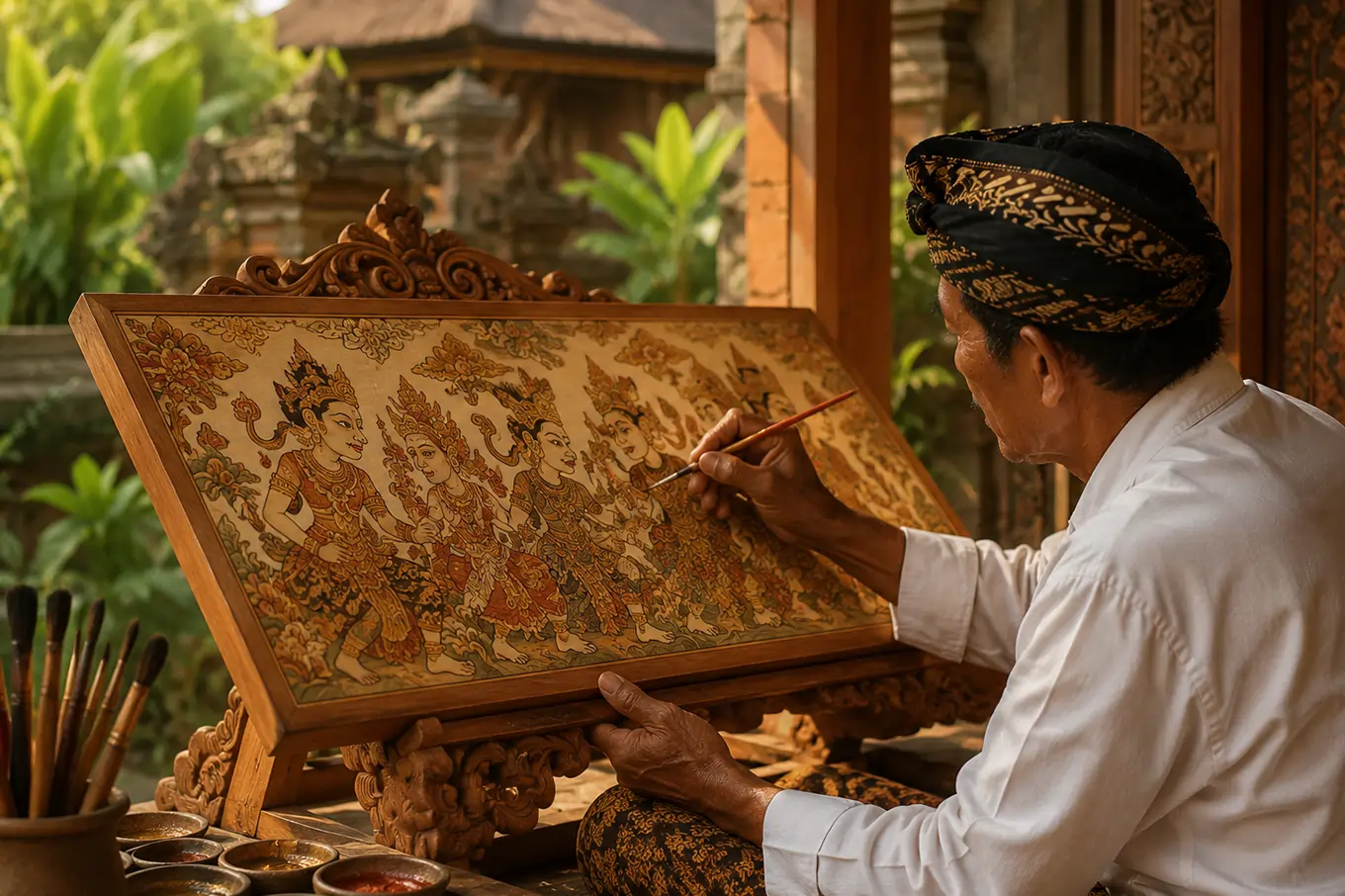
Traditional Balinese art often focuses on religious narratives, mythology, and scenes from epics such as the Ramayana and Mahabharata. These artworks feature detailed compositions, natural pigments, and symbolic color choices. Traditional balinese art painting commonly displays dense imagery where every section of the canvas carries meaning.
One famous traditional style comes from Kamasan, known for storytelling compositions and classical visual structures. Another influential movement emerged from Ubud, where artists introduced more naturalistic forms while maintaining cultural identity.
Modern Balinese art began expanding during the twentieth century as local artists interacted with international creators and tourists. This period encouraged experimentation with perspective, color, and themes beyond ceremonial subjects.
Contemporary balinese art painting may depict modern lifestyles, environmental themes, or abstract concepts while still preserving traditional techniques. This combination has allowed Balinese art to remain relevant without losing its roots.
Artists today often blend traditional symbolism with contemporary visual language, creating works that appeal to both local and global audiences.
Balinese Art Painting Techniques
Among the many artistic forms found on the island, balinese art painting stands out because of its detailed methods and visual storytelling.
Traditional balinese art painting usually begins with sketching outlines before gradually adding layers of color and texture. Artists focus on balance and harmony, ensuring that every element supports the overall composition.
One important technique in Balinese art involves intricate line work. Fine brush strokes create elaborate patterns that bring movement and depth to the painting. Another common characteristic is the use of layered shading to produce dimension without relying heavily on modern effects.
Natural inspiration also plays an important role. Landscapes, forests, temple architecture, and daily village life frequently appear in balinese art painting. These themes help maintain a strong connection between artistic expression and local identity.
Many workshops continue teaching traditional approaches to preserve the originality of Balinese art for future generations. However, artists increasingly combine these methods with acrylics, mixed media, and experimental compositions.
Collectors value balinese art painting because each work reflects both technical skill and cultural storytelling.
Cultural and Spiritual Influences
Culture and spirituality remain at the heart of Balinese art. Unlike purely decorative forms, many artworks carry symbolic meanings connected to religious values and social life.
Temples play an important role in shaping Balinese art, as artists often contribute to ceremonial decorations and sacred spaces. Artistic creation is traditionally viewed as an offering and a form of devotion.
Hindu philosophy strongly influences visual themes in balinese art painting. Concepts of balance, harmony, and respect for nature appear through colors, compositions, and subject choices.
Ceremonies and traditional performances also inspire Balinese art. Dancers, processions, and sacred symbols frequently become central subjects in artistic works. Through these visual representations, artists document and preserve cultural identity.
Modern creators continue to explore these spiritual foundations while expressing contemporary perspectives. This ongoing dialogue ensures that Balinese art remains meaningful in modern society.
The enduring appeal of balinese art painting comes from its ability to communicate emotions, beliefs, and local wisdom through visual form.
Famous Art Villages in Bali
Exploring art villages offers one of the best ways to understand the depth of Balinese art.
Ubud is widely recognized as the cultural center of Balinese art, home to galleries, museums, and creative communities. Visitors can discover both traditional and contemporary works throughout the area.
Batuan Village is famous for detailed balinese art painting featuring dramatic storytelling and dense compositions. Artists in this village preserve distinctive visual traditions that have been passed down for generations.
Mas Village is known for exceptional wood carving, another important branch of Balinese art. The craftsmanship found here demonstrates extraordinary attention to detail.
Celuk Village specializes in silver craftsmanship and decorative arts, adding another dimension to Bali’s artistic identity.
Kamasan Village remains an important destination for those interested in historical balinese art painting, especially classical narrative styles connected to temple culture.
Visiting these villages provides insight into how Balinese art continues to evolve while preserving cultural heritage. Travelers can meet local artists, observe creative processes, and bring home meaningful pieces that represent Bali’s artistic legacy.
If you visit Bali, you can stay at Alzeto Co Living, one of the co-living spaces in Bali for tourism who want to relax and connect.
Published on 29 June 2026