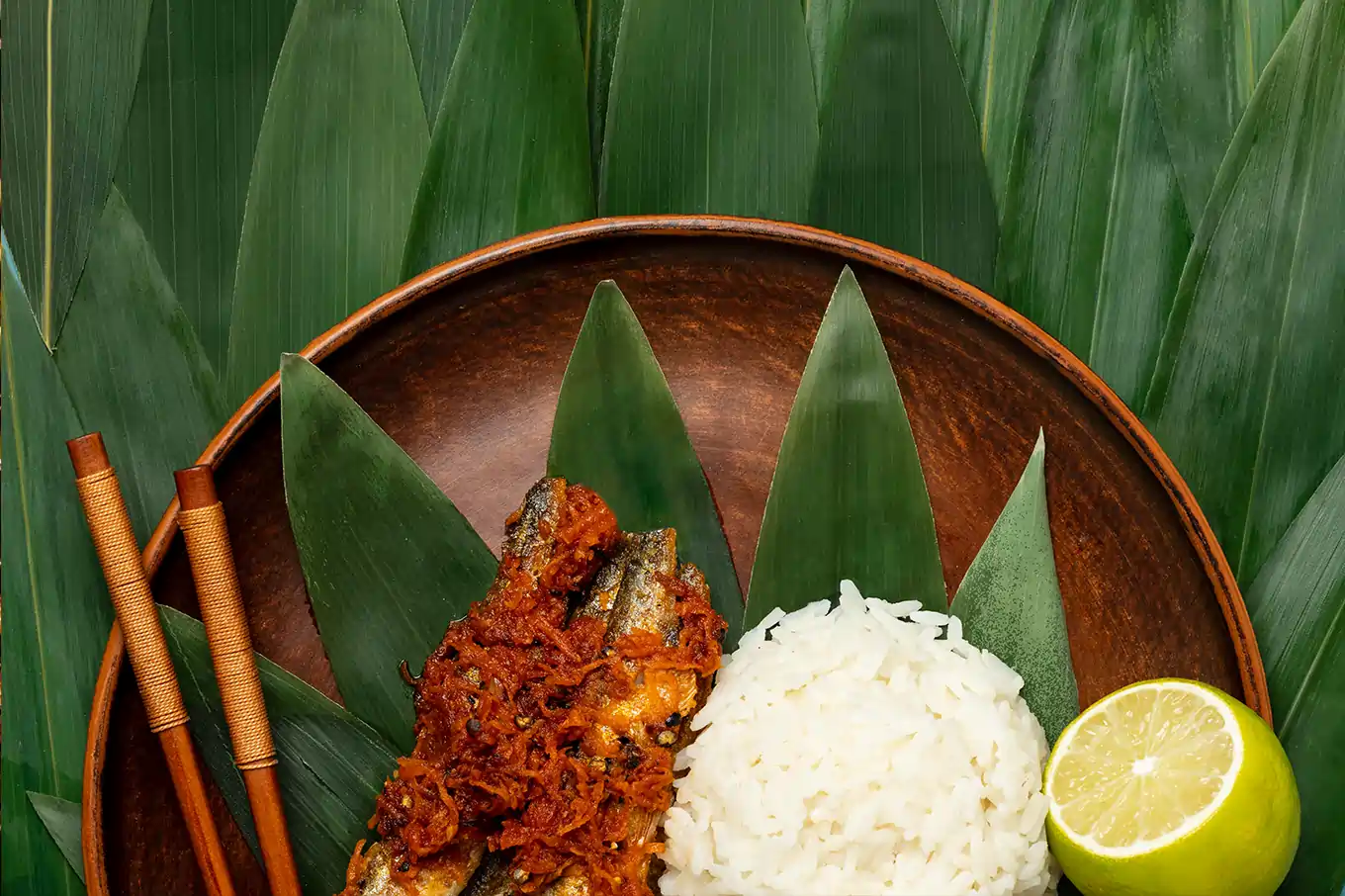
Bali is not only famous for its beautiful beaches and rich traditions but also for its incredible culinary heritage. Authentic Balinese food offers a unique combination of aromatic spices, fresh ingredients, and centuries old cooking techniques that reflect the island's culture and spiritual beliefs. Whether you are exploring local markets, dining in traditional warungs, or attending cultural ceremonies, experiencing authentic Balinese food is one of the highlights of visiting Bali.
From flavorful satay to slow cooked meats and spicy vegetable dishes, many authentic Balinese recipes have been passed down through generations. Here's everything you need to know before tasting Bali's traditional cuisine.
What is Authentic Balinese Food?
Authentic Balinese food refers to traditional dishes prepared using local ingredients, indigenous spices, and cooking methods that have been preserved for centuries. Unlike modern fusion cuisine, authentic Balinese food stays true to traditional flavors and cultural practices.
Many meals are influenced by Balinese Hindu traditions, where food is not only enjoyed daily but also plays an important role in religious ceremonies and family celebrations. Most authentic Balinese recipes rely on fresh herbs, homemade spice pastes, and slow cooking techniques that create rich and complex flavors.
One signature element found in authentic Balinese food is Base Genep, a traditional spice blend made from turmeric, ginger, galangal, garlic, shallots, chili, coriander, candlenuts, lemongrass, and shrimp paste. This aromatic mixture serves as the foundation for countless authentic Balinese recipes.
Because ingredients are sourced locally, authentic Balinese food often tastes fresher and more vibrant than commercial versions served outside Bali.
Which Traditional Balinese Dishes Should Tourists Try?
If you're visiting the Island of the Gods, these are some must-try examples of authentic Balinese food.
Babi Guling
Perhaps the most famous authentic Balinese food, Babi Guling is roasted suckling pig seasoned with traditional spices. The crispy skin and tender meat make it one of Bali's iconic dishes.
Ayam Betutu
Ayam Betutu is chicken stuffed with aromatic herbs and wrapped in banana leaves before being slow cooked for several hours. This dish perfectly represents traditional authentic Balinese recipes because of its deep spice infusion.
Bebek Betutu
Similar to Ayam Betutu, Bebek Betutu uses duck instead of chicken. It is one of the most flavorful examples of authentic Balinese food and is often served during ceremonies.
Sate Lilit
Unlike regular satay, Sate Lilit uses minced fish or chicken mixed with grated coconut, herbs, and spices before being wrapped around lemongrass sticks.
Lawar
Lawar combines vegetables, grated coconut, spices, and meat into a colorful side dish that complements many authentic Balinese food menus.
Nasi Campur Bali
This popular meal lets visitors sample multiple authentic Balinese recipes in one plate, including chicken, vegetables, satay, peanuts, sambal, and rice.
Trying these dishes allows tourists to experience the true diversity of authentic Balinese food.
What Ingredients Are Used in Authentic Balinese Recipes?
The secret behind authentic Balinese food lies in its fresh ingredients and aromatic spices.
Common ingredients include:
-
Turmeric
-
Galangal
-
Ginger
-
Garlic
-
Shallots
-
Lemongrass
-
Candlenuts
-
Coriander
-
Chili peppers
-
Shrimp paste
-
Coconut milk
-
Fresh coconut
-
Kaffir lime leaves
-
Banana leaves
These ingredients are blended into Base Genep, the essential seasoning used in many authentic Balinese recipes.
Another distinctive characteristic of authentic Balinese food is the generous use of fresh herbs instead of artificial flavorings. Local vegetables, seafood, pork, duck, chicken, and tropical fruits also contribute to the island's culinary identity.
Traditional cooking methods such as grilling over charcoal, steaming in banana leaves, and slow roasting enhance the flavors found in authentic Balinese recipes.
How is Balinese Food Different from Other Indonesian Cuisines?
Although Indonesia offers many regional cuisines, authentic Balinese food has several characteristics that distinguish it from dishes found in other provinces.
First, Balinese cuisine uses more ceremonial spice blends. Many authentic Balinese recipes are closely connected with religious rituals and temple offerings, making food an important cultural expression.
Second, pork is widely consumed in authentic Balinese food because the majority of Balinese people practice Hinduism. In many other Indonesian regions where Islam is predominant, pork dishes are uncommon.
Third, authentic Balinese food often features stronger herbal aromas thanks to ingredients like lemongrass, galangal, turmeric, and kaffir lime leaves.
Fourth, slow cooking techniques are commonly used in authentic Balinese recipes, allowing spices to penetrate deeply into meats and vegetables.
Finally, presentation also matters. Traditional meals are often served with colorful side dishes, sambal, vegetables, and decorative garnishes that enhance both flavor and appearance.
These unique qualities make authentic Balinese food one of Indonesia's most celebrated regional cuisines.
Where Can You Find Authentic Balinese Food in Bali?
Finding authentic Balinese food is relatively easy across the island, especially if you know where to look.
Traditional warungs remain the best places to enjoy homemade authentic Balinese recipes at affordable prices. These family owned restaurants usually prepare recipes that have been handed down through generations.
Local markets are another excellent destination for sampling authentic Balinese food, especially in the morning when vendors sell freshly prepared rice dishes, satay, snacks, and desserts.
Several villages are also famous for preserving traditional cooking techniques and serving regional specialties. Cultural festivals often showcase authentic Balinese recipes prepared specifically for religious celebrations, giving visitors a deeper understanding of Balinese culinary traditions.
Cooking classes have also become popular among tourists who want to learn authentic Balinese recipes directly from local chefs. Participants typically visit traditional markets before preparing classic dishes using fresh ingredients and time-honored techniques.
Whether you dine at a village warung, attend a cultural event, or join a cooking class, experiencing authentic Balinese food offers a meaningful connection to Bali's rich heritage and warm hospitality.
If you visit Bali, you can stay at Alzeto Co Living, one of the co-living spaces in Bali for tourism who want to relax and connect.
Published on 16 July 2026