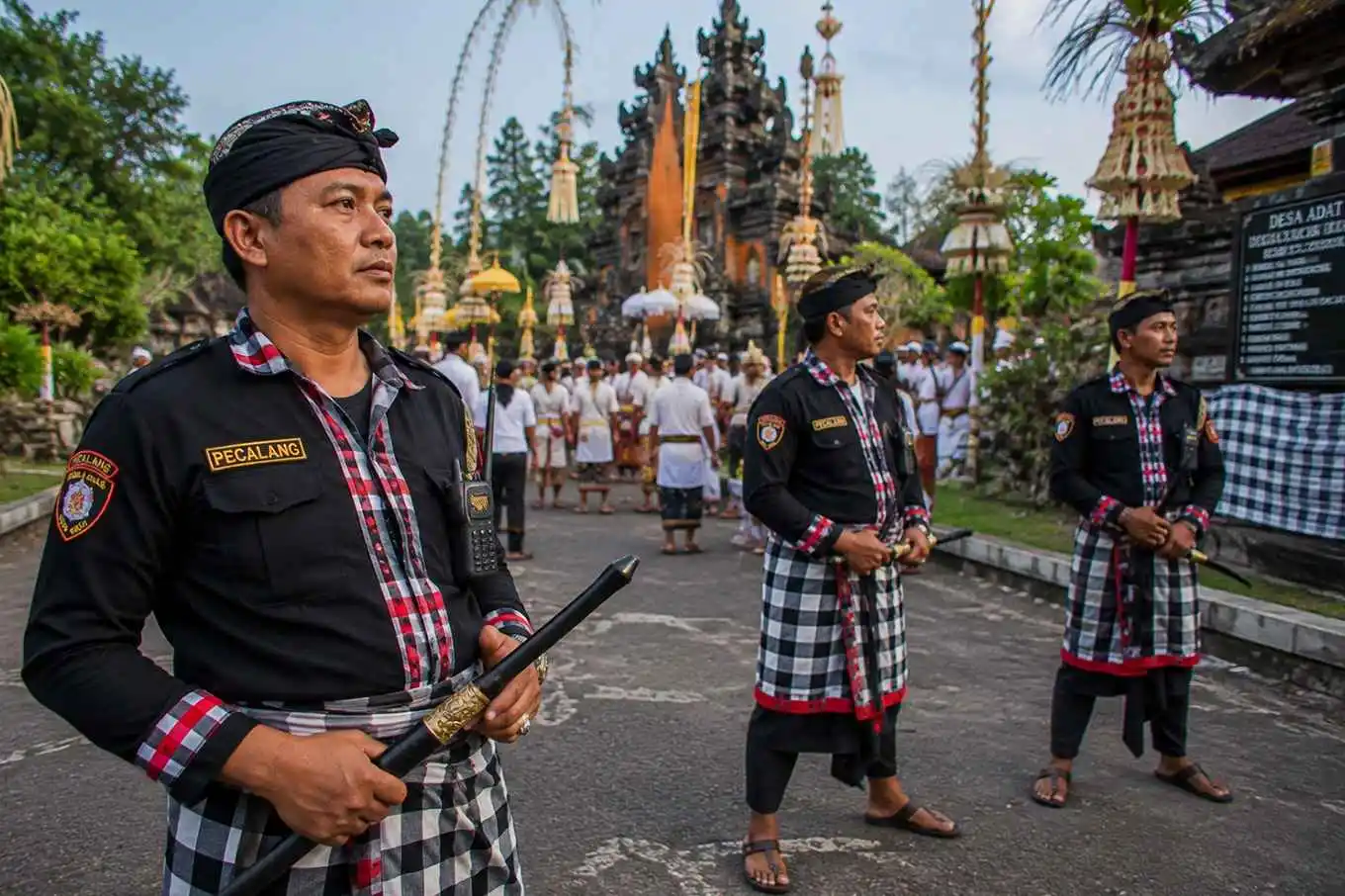
Bali is widely recognized for its breathtaking beaches, magnificent temples, and vibrant cultural traditions. Beyond its natural beauty, the island is also known for preserving customs that have been passed down for generations. One of the most respected traditional institutions on the island is the pecalang. These community appointed security guardians play a vital role in maintaining peace and order during religious ceremonies and cultural events.
Unlike modern law enforcement officers, pecalang are deeply rooted in Balinese customs and Hindu traditions. They serve their local villages with dedication, ensuring that sacred rituals can take place safely and respectfully. Today, pecalang bali continue to represent the strong community values that make Balinese culture unique.
Who Are the Pecalang?
Pecalang are traditional security officers appointed by a Balinese customary village, also known as a desa adat. The word pecalang comes from the Balinese language and refers to individuals responsible for maintaining public order based on traditional law (awig-awig).
Every customary village in Bali usually has its own pecalang team. Members are generally respected men from the local community who understand village customs, religious traditions, and cultural values. Because they belong to the community they serve, pecalang are trusted by residents and religious leaders alike.
The presence of pecalang bali reflects Bali's unique governance system, where traditional institutions work alongside the Indonesian government. While they are not police officers, they are officially recognized during major cultural and religious events for helping maintain public order.
Their distinctive appearance also makes them easy to identify. Most pecalang wear black and white checkered cloth known as poleng, along with traditional Balinese attire. The poleng pattern symbolizes the balance between good and evil, reminding them to perform their duties fairly and wisely.
What Are the Duties of Pecalang?
The primary responsibility of pecalang is maintaining security and ensuring ceremonies proceed smoothly. Their tasks go far beyond simply directing crowds.
Some of the main duties of pecalang include:
-
Managing traffic during temple festivals and religious processions.
-
Keeping ceremonial areas safe for worshippers.
-
Assisting local communities during traditional celebrations.
-
Preventing disturbances or conflicts during events.
-
Coordinating with local authorities when necessary.
-
Providing information and guidance to visitors attending ceremonies.
-
Helping enforce customary village regulations.
During major Hindu ceremonies, pecalang often manage thousands of participants and visitors. Their calm approach and knowledge of local traditions allow them to handle situations respectfully while protecting the sanctity of religious events.
In many villages, pecalang bali also educate visitors about appropriate behavior, such as wearing proper clothing, respecting sacred spaces, and following temple etiquette.
When Do Pecalang Perform Their Duties?
Although pecalang can be called upon whenever their community requires assistance, they are especially active during important religious festivals and village ceremonies.
One of the most well known occasions is Nyepi, Bali's Day of Silence. On this sacred day, pecalang patrol villages and public areas to ensure everyone follows the Nyepi regulations. Residents and tourists are expected to remain indoors, avoid unnecessary activities, and respect the island wide observance.
Besides Nyepi, pecalang are commonly present during:
-
Galungan and Kuningan celebrations.
-
Temple anniversary festivals (Odalan).
-
Cremation ceremonies (Ngaben).
-
Traditional processions.
-
Community meetings and customary events.
-
Cultural festivals attended by tourists.
During these occasions, pecalang bali help organize traffic, secure ceremonial routes, and maintain harmony between residents and visitors.
How Are Pecalang Different From the Police?
Although both pecalang and the Indonesian police help maintain order, their responsibilities and authority are quite different.
The Indonesian National Police enforce national laws across the country. They investigate crimes, conduct law enforcement operations, and maintain public security based on Indonesian legal regulations.
In contrast, pecalang focus on customary law and community based responsibilities. Their authority comes from the traditional village rather than the national government. They primarily oversee religious ceremonies, cultural activities, and village regulations.
Another major difference is their relationship with the local community. Since pecalang are chosen from within the village, they have strong personal connections with residents. This allows them to resolve issues through communication, mutual respect, and traditional values rather than formal legal procedures.
Despite these differences, pecalang bali frequently cooperate with the police during large festivals or events involving many visitors. This collaboration helps ensure both cultural traditions and public safety are maintained.
Why Are Pecalang Important in Balinese Culture?
The role of pecalang extends beyond maintaining security. They are guardians of Balinese cultural identity and play an essential part in preserving traditions that have existed for centuries.
Balinese society is built upon harmony between people, nature, and spirituality a philosophy known as Tri Hita Karana. Pecalang contribute directly to this philosophy by ensuring ceremonies remain peaceful and respectful.
Without pecalang, organizing large scale religious events would be far more challenging. Their presence allows worshippers to focus on spiritual activities while visitors can safely observe Bali's rich cultural heritage.
The work of pecalang bali also strengthens community solidarity. Because they serve voluntarily or with minimal compensation, their dedication reflects the Balinese value of ngayah, which means selflessly contributing to the community.
As tourism continues to grow, pecalang have become cultural ambassadors as well. They often interact with international visitors, helping explain local customs and encouraging respectful behavior at sacred sites.
Their continued presence demonstrates how traditional institutions can adapt to modern society while preserving the values that define Balinese culture.
The pecalang are much more than traditional security guards. They are respected community members who protect Bali's ceremonies, preserve local customs, and maintain harmony within their villages. Through their service, pecalang help ensure that Bali's unique cultural identity remains strong despite the rapid growth of tourism and modernization.
Whether managing crowds during temple festivals, safeguarding Nyepi observances, or guiding visitors through sacred traditions, pecalang bali continue to play an irreplaceable role in everyday Balinese life.
If you visit Bali, you can stay at Alzeto Co Living, one of the co-living spaces in Bali for tourism who want to relax and connect.
Published on 14 August 2026

