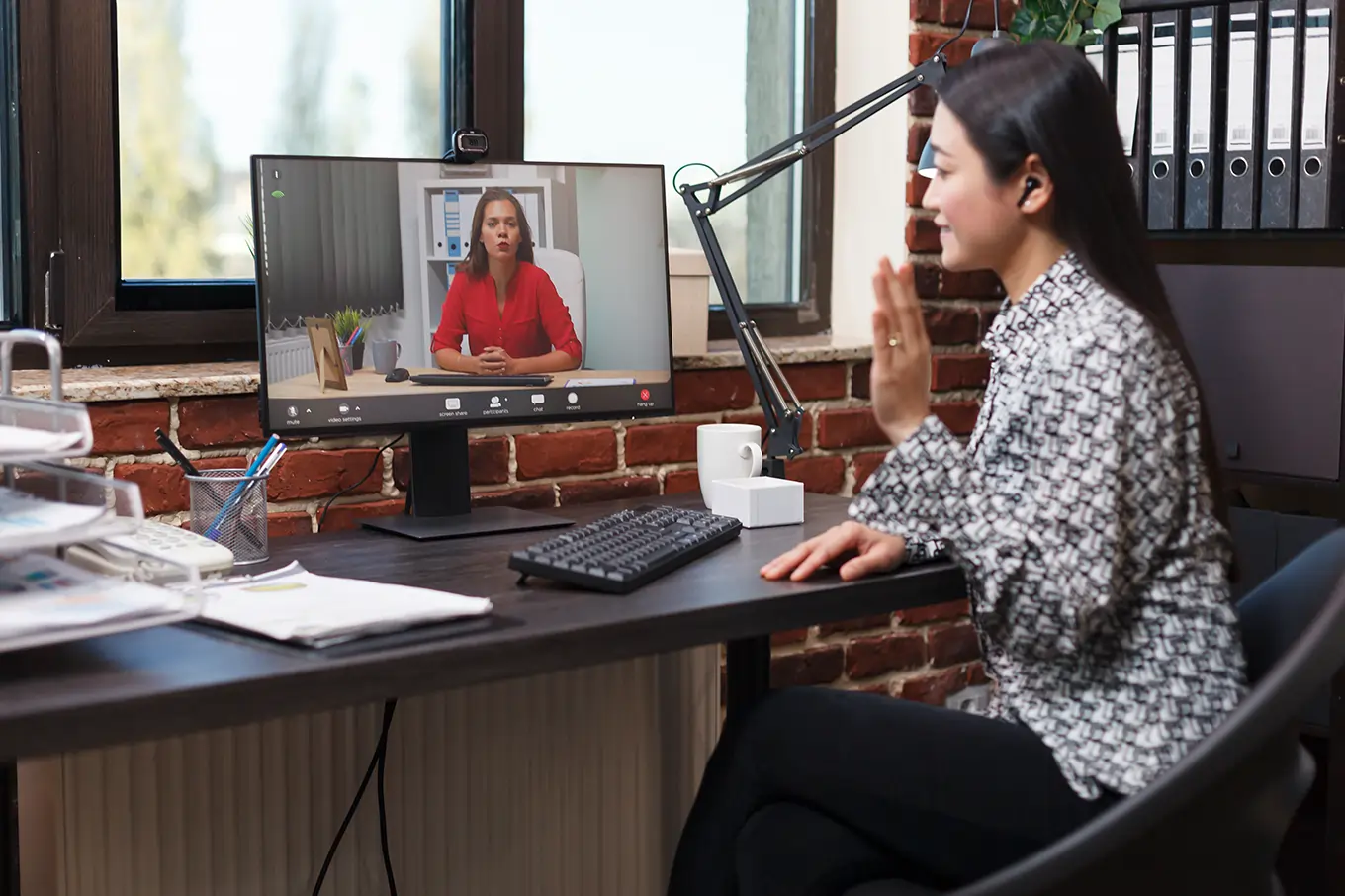
Working with international colleagues has become common in modern businesses. Many companies now operate with distributed teams across different countries and continents.
While this offers flexibility and access to global talent, it also introduces a major challenge: time zone differences. That is why understanding how to manage time zones in global teams is essential for maintaining productivity and effective collaboration.
How Do Global Teams Handle Different Time Zones?
Global teams usually adopt specific communication strategies to deal with different time zones. One of the most effective approaches is creating a structured schedule that considers each team member’s working hours.
Understanding how to manage time zones in global teams often begins with mapping the locations of all team members. Once you know where everyone is located, you can identify overlapping work hours.
For example, if a team has members in Asia, Europe, and North America, there may only be a few hours each day when everyone is available. Managers must plan carefully to use these overlapping hours effectively.
Another method for how to manage time zones in global teams is implementing asynchronous communication. This means not every conversation needs to happen in real time. Team members can leave updates, messages, or recorded explanations so others can review them later.
At the same time, companies must also consider how to manage time zones in global team meetings so meetings remain productive without forcing employees to work at inconvenient hours too often.
What Tools Help Manage Time Zone Differences?
Technology plays a huge role in learning how to manage time zones in global teams. Several digital tools can simplify scheduling and communication across different regions.
One common solution is using world clock scheduling tools. These tools allow managers to quickly compare time zones and find suitable meeting slots. This is extremely helpful when figuring out how to manage time zones in global team meetings.
Project management platforms also help teams stay aligned. Tools like task boards, shared documents, and collaboration platforms allow employees to work asynchronously.
Using the right technology can significantly improve how to manage time zones in global teams, because information becomes accessible anytime without requiring everyone to be online simultaneously.
Another helpful approach is setting automatic time zone conversion in calendar apps. This prevents confusion when organizing how to manage time zones in global team meetings, especially when participants come from multiple regions.
How to Schedule Meetings Across Time Zones?
Scheduling meetings across different time zones requires careful planning. One of the first steps in learning how to manage time zones in global teams is identifying the best time windows for everyone involved.
Instead of always choosing a convenient time for one region, managers should rotate meeting schedules occasionally. This ensures fairness so no single group always attends meetings late at night or early in the morning.
Another strategy for how to manage time zones in global team meetings is keeping meetings short and focused. Clear agendas help teams stay efficient during overlapping hours.
Recording meetings is also beneficial. If someone cannot attend due to time differences, they can watch the recording later. This is another important method for improving how to manage time zones in global teams.
Documentation also helps reduce misunderstandings. Written summaries ensure that everyone stays informed regardless of when they review the information.
What Is the Best Time Overlap for Global Teams?
One of the biggest challenges in learning how to manage time zones in global teams is finding the best overlapping hours. Ideally, global teams should aim for at least two to four hours of shared working time.
These overlapping hours can be used for discussions, decision making, and collaboration. During the rest of the day, team members can focus on independent tasks.
When planning how to manage time zones in global team meetings, it is helpful to prioritize meetings during these shared windows. This allows team members to participate actively without sacrificing productivity.
Flexible work policies can also support how to manage time zones in global teams, because employees can adjust their schedules slightly when necessary.
How to Avoid Miscommunication Across Time Zones?
Miscommunication is a common issue in distributed teams. That is why clear communication guidelines are essential when learning how to manage time zones in global teams.
First, teams should use clear written communication. Messages should include context, deadlines, and expectations. This reduces confusion when colleagues read messages at different times.
Second, documentation is key. Written notes, shared files, and task trackers make it easier to maintain transparency.
When managing how to manage time zones in global team meetings, leaders should summarize decisions and share meeting notes afterward. This ensures everyone understands the outcomes even if they were unable to attend.
Finally, encouraging patience and cultural awareness can improve collaboration. Global teams succeed when members respect different working hours and communication styles.
By implementing these strategies, companies can significantly improve how to manage time zones in global teams while also optimizing how to manage time zones in global team meetings for smoother collaboration.
If you visit Bali, you can stay at Alzeto Co Living, one of the co-living spaces in Bali for tourism who want to relax and connect.
Published on 17 March 2026

