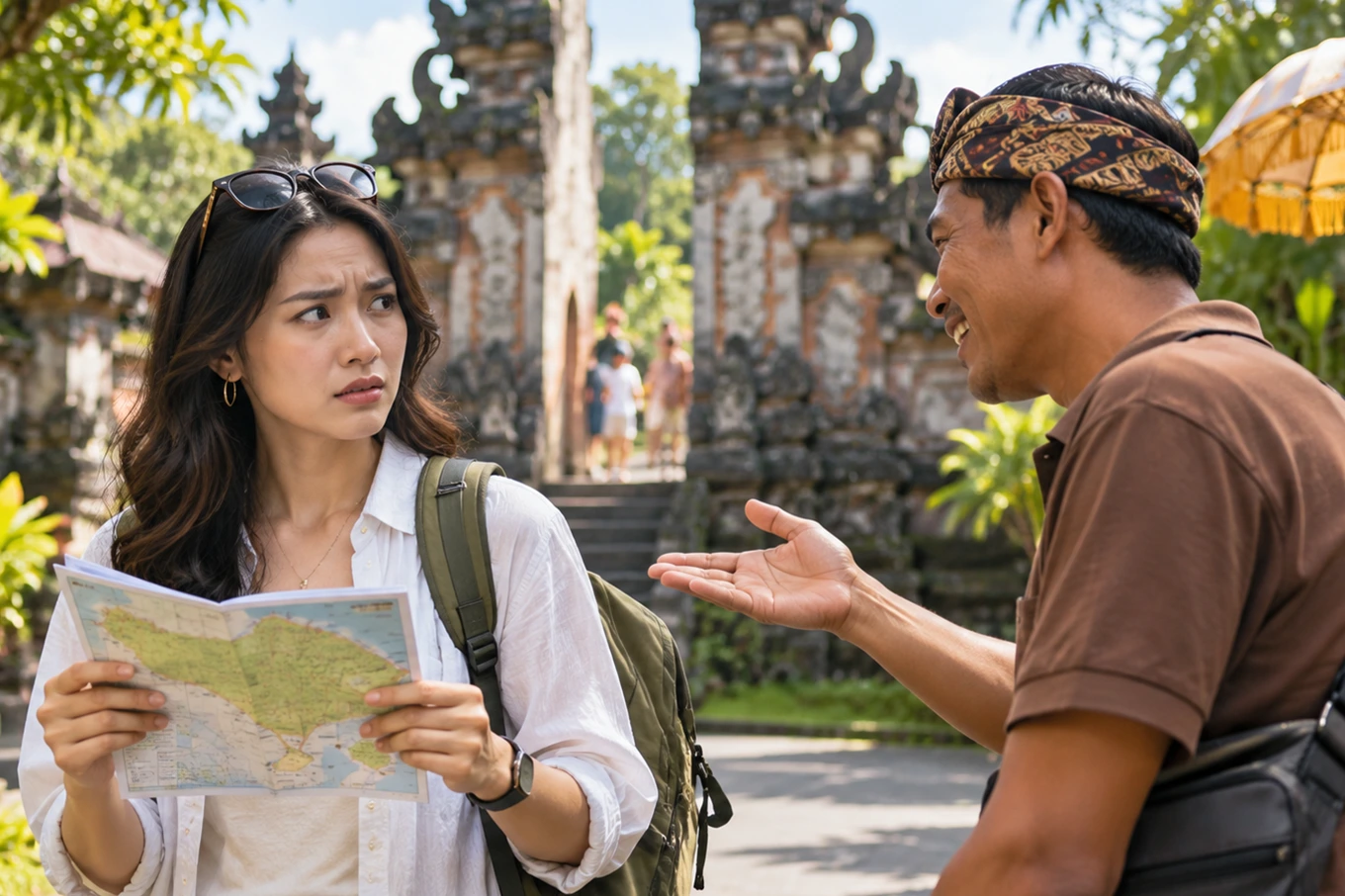
Traveling to a new destination is an exciting experience, especially when you get the chance to explore unfamiliar places, meet new people, and discover different cultures. However, tourists can sometimes become targets of dishonest individuals looking for opportunities to take advantage of visitors. Understanding how to avoid travel scams is an important part of preparing for a safe and enjoyable holiday.
Whether you are traveling alone, with friends, or with family, knowing how to avoid travel scams can help you make better decisions throughout your journey. From suspicious transportation offers to fake accommodation websites, travel scams can happen in different situations. Fortunately, a little preparation and awareness can reduce the risk of becoming a victim.
What Are the Most Common Travel Scams Tourists Should Know?
Travel scams are dishonest activities designed to trick tourists into losing money, personal information, or valuable belongings. These situations often happen in popular tourist destinations where visitors may not be familiar with local prices, transportation systems, or common practices.
One common example is the taxi overcharging scam. Some drivers may refuse to use a meter, offer unusually expensive fares, or take longer routes to increase the payment. Travelers should understand how to avoid travel scams by checking transportation prices before starting their journey.
Another common trick involves fake tour guides. Someone may approach tourists near popular attractions and offer private tours at attractive prices. After receiving payment, the person might disappear or provide services that are completely different from what was promised.
Other travel scams include:
-
Fake accommodation: Fraudulent listings advertise properties that do not exist or are unavailable.
-
ATM scams: Criminals may install card skimming devices or secretly observe PIN numbers.
-
Street distractions: Someone creates an unexpected situation while an accomplice takes your belongings.
-
Fake charity requests: Individuals use emotional stories to pressure tourists into donating money.
-
Overpriced souvenirs: Sellers charge significantly higher prices to visitors who are unfamiliar with local costs.
Recognizing these situations is one of the first steps in learning how to avoid travel scams while exploring unfamiliar destinations.
How Can Travelers Identify and Avoid Common Tourist Scams?
Tourist scams often rely on pressure, confusion, and unexpected situations. Scammers may approach visitors with offers that seem too good to be true or insist that travelers make immediate decisions.
One way to understand how to avoid travel scams is to research your destination before departure. Read recent traveler reviews, check transportation options, and learn about typical prices for popular activities. This information gives you a better idea of what to expect when interacting with local service providers.
You should also avoid accepting unexpected offers from strangers, especially when they involve money or personal information. If someone approaches you with a tour package, transportation service, or special discount, take time to verify the offer before agreeing.
Here are several practical precautions:
-
Compare prices from multiple transportation or tour providers.
-
Use official taxi applications or registered transportation services.
-
Check identification and business information before booking activities.
-
Avoid giving money to strangers who create urgent situations.
-
Keep your valuables secure when visiting crowded attractions.
Learning how to avoid travel scams does not mean you need to distrust everyone you meet. Instead, it encourages you to stay aware, ask questions, and make informed decisions during your trip.
What Are the Warning Signs of an Online Travel Booking Scam?
Online booking platforms make planning a holiday easier, but they can also create opportunities for fraudulent activities. Fake websites, misleading advertisements, and suspicious payment requests are examples of travel scams that can affect tourists before they even leave home.
One major warning sign is an accommodation or tour package advertised at an unusually low price. While discounts are common in the travel industry, offers that seem significantly cheaper than other providers deserve extra attention.
Another indication is a website with incomplete contact information, unclear cancellation policies, or limited customer reviews. Some fraudulent websites also imitate the appearance of legitimate booking platforms to make their services look trustworthy.
To understand how to avoid travel scams when booking online, consider these precautions:
-
Check the website address carefully before entering personal information.
-
Book through official websites or recognized travel platforms.
-
Read reviews from multiple sources instead of relying on testimonials displayed on the website.
-
Avoid transferring money to unfamiliar personal bank accounts.
-
Confirm reservation details directly with the accommodation or tour provider.
Taking these steps can help you recognize suspicious offers and reduce the possibility of losing money through fraudulent bookings.
How Can Tourists Protect Their Money and Personal Information?
Protecting your finances and personal information is another important part of learning how to avoid travel scams. Tourists often carry several payment cards, identification documents, and electronic devices, making them potential targets for theft and fraud.
Start by separating your cash and payment cards. Avoid keeping all your money in one wallet, and only carry the amount you need for daily activities. This simple habit can help minimize financial losses if your belongings go missing.
When withdrawing money, choose ATMs located inside banks, shopping centers, or other secure locations. Check the card slot and keypad for anything unusual before using the machine. Cover your PIN when entering it, and never share your banking information with strangers.
Digital security also deserves attention. Avoid connecting to unfamiliar public WiFi networks when accessing banking applications or making financial transactions. If possible, use a trusted mobile data connection instead.
Other useful safety tips include:
-
Keep digital and physical copies of important travel documents.
-
Enable transaction notifications for your bank accounts.
-
Use strong passwords for travel booking accounts.
-
Activate two factor authentication whenever available.
-
Avoid sharing passport details or personal information with unverified contacts.
These precautions are useful ways to understand how to avoid travel scams while keeping your finances and identity protected.
What Should You Do If You Become a Victim of a Travel Scam?
Even careful travelers can sometimes become victims of travel scams. If this happens, try to remain calm and take immediate action to prevent further losses.
First, stop communicating with the suspected scammer and avoid sending additional money. If your bank card or financial information has been compromised, contact your bank immediately to block suspicious transactions or temporarily freeze your account.
Next, collect relevant evidence, including payment receipts, screenshots of conversations, booking confirmations, website addresses, and contact information. These records can help when reporting the incident to the appropriate authorities.
If your passport or other identification documents are stolen, contact the nearest embassy or consulate for assistance. You should also report the incident to local authorities and request an official police report if necessary.
Knowing how to avoid travel scams is important, but understanding what to do afterward is equally valuable. Reporting suspicious activities can help protect other tourists from experiencing similar situations.
Before continuing your journey, review your remaining travel arrangements and make sure your accommodation, transportation, and payment methods are secure.
Traveling should be about enjoying new experiences rather than worrying about unexpected problems. By staying informed and recognizing potential risks, you can explore unfamiliar destinations with greater confidence.
If you visit Bali, you can stay at Alzeto Co Living, one of the co-living spaces in Bali for tourism who want to relax and connect. It can be a comfortable place to stay while exploring the island's cultural traditions, discovering local communities, and experiencing the spiritual side of Bali.
Published on 18 November 2026

