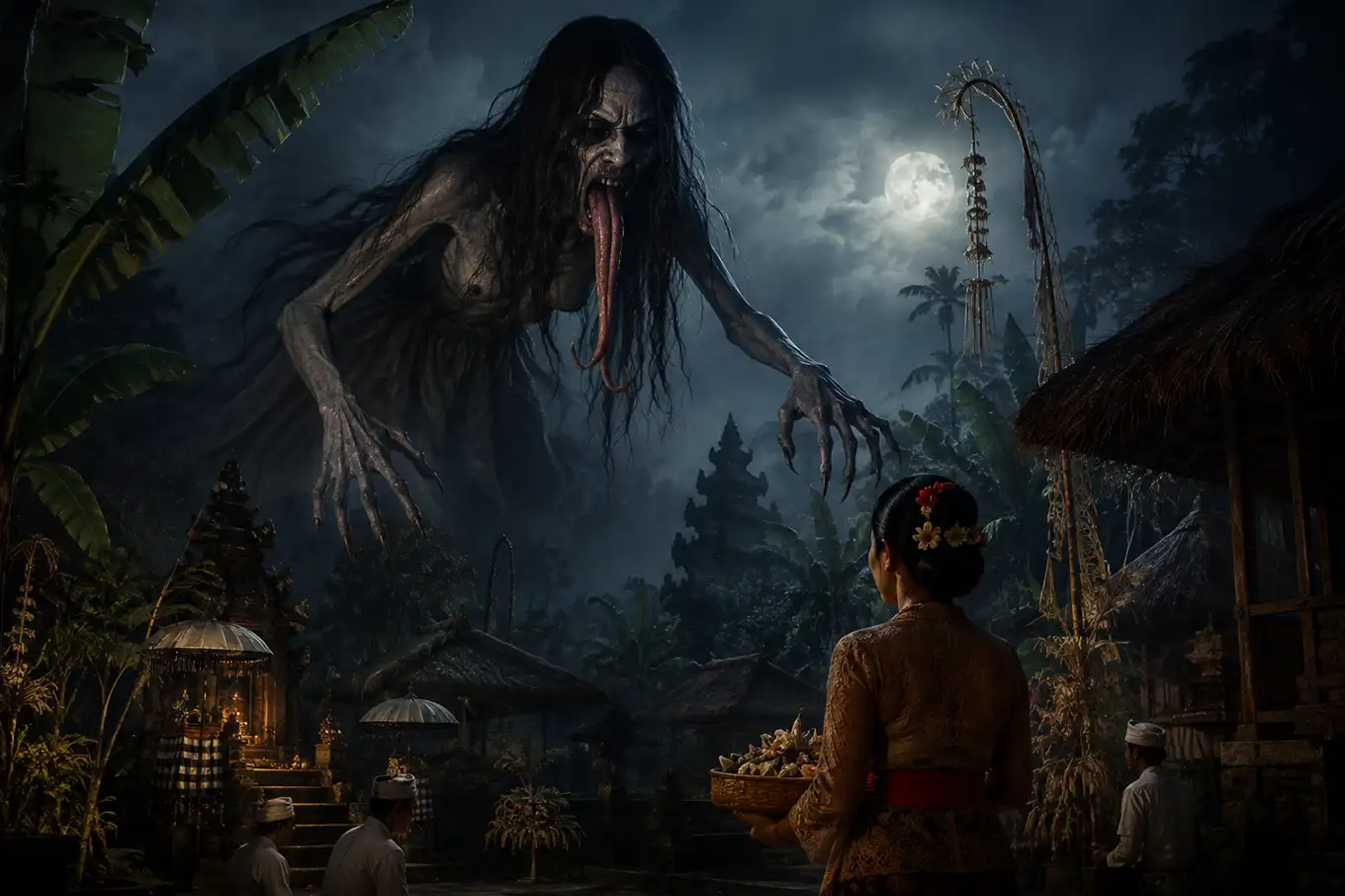
Bali is widely known for its temples, traditional ceremonies, beautiful landscapes, and distinctive cultural traditions. Beyond its famous destinations, the island also has many stories that have been passed down through generations. These stories form an important part of balinese folklore, reflecting local beliefs, moral values, and the relationship between people, nature, and the spiritual world.
One of the most mysterious figures found in balinese folklore is Leyak. Often associated with supernatural powers and nighttime stories, Leyak has become one of the most recognizable characters in traditional Balinese storytelling. The legend has also inspired artwork, performances, and popular interpretations of Balinese culture.
For visitors, learning about balinese folklore can provide a different perspective on Bali. Rather than simply seeing cultural traditions as tourist attractions, understanding the stories behind them can help travelers appreciate the island's history and worldview.
What is Balinese Folklore?
Balinese folklore refers to traditional stories, legends, beliefs, and oral traditions that have been passed down within Balinese communities. These stories can involve humans, animals, supernatural beings, legendary figures, and relationships between the physical and spiritual worlds.
Much of balinese folklore has traditionally been shared through oral storytelling, religious and cultural practices, traditional performances, and local communities. Some stories may have different versions depending on the region or the storyteller.
The stories are not simply entertainment. Balinese folklore can contain lessons about morality, respect, responsibility, spirituality, and the consequences of certain actions. This makes folklore an important part of understanding Balinese culture.
Among the many stories associated with Bali, the legend of Leyak is particularly famous. The story has become an enduring element of balinese folklore because of its mysterious nature and connection with traditional beliefs about supernatural forces.
Who is Leyak in Balinese Folklore?
Leyak is a supernatural figure commonly associated with balinese folklore. In traditional stories, Leyak is often portrayed as a person who possesses supernatural abilities and is connected with mystical practices. Stories about Leyak frequently describe nighttime transformations and mysterious activities.
The image of Leyak can vary between stories. Some depictions portray a frightening supernatural being, while others focus more on the person believed to possess mystical powers. This variation is one reason why leyak balinese folklore can be difficult to summarize through a single description.
In leyak balinese folklore, Leyak is commonly associated with mystical practices and the supernatural world. Traditional stories sometimes describe Leyak as having the ability to transform or appear in unusual forms.
Popular representations often make Leyak appear frightening, with dramatic facial expressions, unusual physical features, or supernatural abilities. However, these modern representations should not always be treated as literal descriptions of traditional Balinese beliefs.
The story of leyak balinese folklore has also become popular among visitors because of its mysterious character. Tourists may encounter Leyak inspired sculptures, paintings, performances, or stories when exploring Balinese culture.
Why Is the Leyak Legend Important?
The importance of Leyak extends beyond its frightening image. In balinese folklore, stories about supernatural figures can reflect how communities understand good and evil, spiritual forces, and the consequences of human behavior.
The Leyak legend is also significant because it represents the connection between storytelling and spirituality in Bali. Balinese folklore often exists alongside religious traditions, ceremonies, and artistic expressions. As a result, understanding the Leyak story can help visitors see how mythology and culture can influence everyday life.
Another important aspect of leyak balinese folklore is its role in preserving traditional storytelling. Stories passed from one generation to another can change over time, but their continued presence allows cultural ideas and local identity to remain part of community life.
Leyak has also influenced Balinese visual arts. Artists have used the figure in paintings, sculptures, masks, and traditional performances. Through these artistic forms, balinese folklore becomes something visitors can see rather than simply read about.
For travelers, learning about leyak balinese folklore is therefore not only about discovering a mysterious legend. It is also an opportunity to understand how traditional stories can become part of art, culture, and identity.
Are There other Famous Balinese Legends?
Leyak is only one example of balinese folklore. Bali has many other traditional stories involving legendary characters, sacred places, supernatural beings, and cultural traditions.
One well-known story is the legend of Barong and Rangda. Their opposing characters are often represented through traditional performances and are connected with Balinese ideas about the struggle between opposing forces.
Another popular story is associated with Kebo Iwa, a legendary figure known in Balinese history and storytelling. Stories about Kebo Iwa have been passed down as part of the island's cultural heritage.
There are also stories connected to sacred places throughout Bali. Local communities may have their own legends explaining the origins of temples, villages, lakes, mountains, and other culturally important locations.
This diversity makes balinese folklore especially interesting for travelers. Instead of being limited to one famous story, visitors can discover different narratives depending on the destination they explore.
Where Can Visitors Learn about Balinese Folklore?
Visitors can discover balinese folklore in many different ways while traveling around Bali. Traditional performances are one of the most accessible options. Dance and theater performances often incorporate legendary characters and stories, allowing visitors to experience folklore through music, movement, costumes, and visual art.
Museums and cultural centers can also provide useful information about balinese folklore, traditional art, and local history. Visitors may find paintings, sculptures, masks, manuscripts, and other cultural objects that represent traditional stories.
Exploring traditional villages can provide another perspective. Local guides and residents may share stories connected to their communities, although interpretations can differ between locations.
Travelers interested in leyak balinese folklore can also pay attention to traditional artwork and performances featuring supernatural characters. Seeing how Leyak is represented in different artistic forms can help visitors understand how the legend has evolved in popular culture.
Most importantly, visitors should approach balinese folklore with cultural respect. Traditional legends are part of a living culture, so it is better to learn about them through reliable cultural sources and local communities rather than treating every supernatural story as a literal fact.
For travelers who want to explore Bali beyond beaches and tourist attractions, learning about balinese folklore offers an opportunity to discover the island's stories, traditions, and cultural imagination. The legend of Leyak is one fascinating example of how stories can survive across generations and continue to influence Balinese art and culture.
If you visit Bali, you can stay at Alzeto Co Living, one of the co-living spaces in Bali for tourism who want to relax and connect.
FAQ
1. What is Balinese folklore?
Balinese folklore consists of traditional stories, legends, beliefs, and oral traditions passed down through generations in Balinese communities.
2. Who is Leyak in Balinese folklore?
Leyak is a supernatural figure associated with mystical powers and transformation in traditional balinese folklore.
3. Why is the Leyak legend important?
The Leyak legend reflects traditional beliefs about the spiritual world and has influenced Balinese art, performances, and storytelling.
4. What are other famous Balinese legends?
Besides Leyak, Bali has famous stories and characters such as Barong, Rangda, and Kebo Iwa.
5. Where can visitors learn about Balinese folklore?
Visitors can learn about balinese folklore through traditional performances, museums, cultural centers, traditional villages, and local guides.
Published on 09 September 2026

