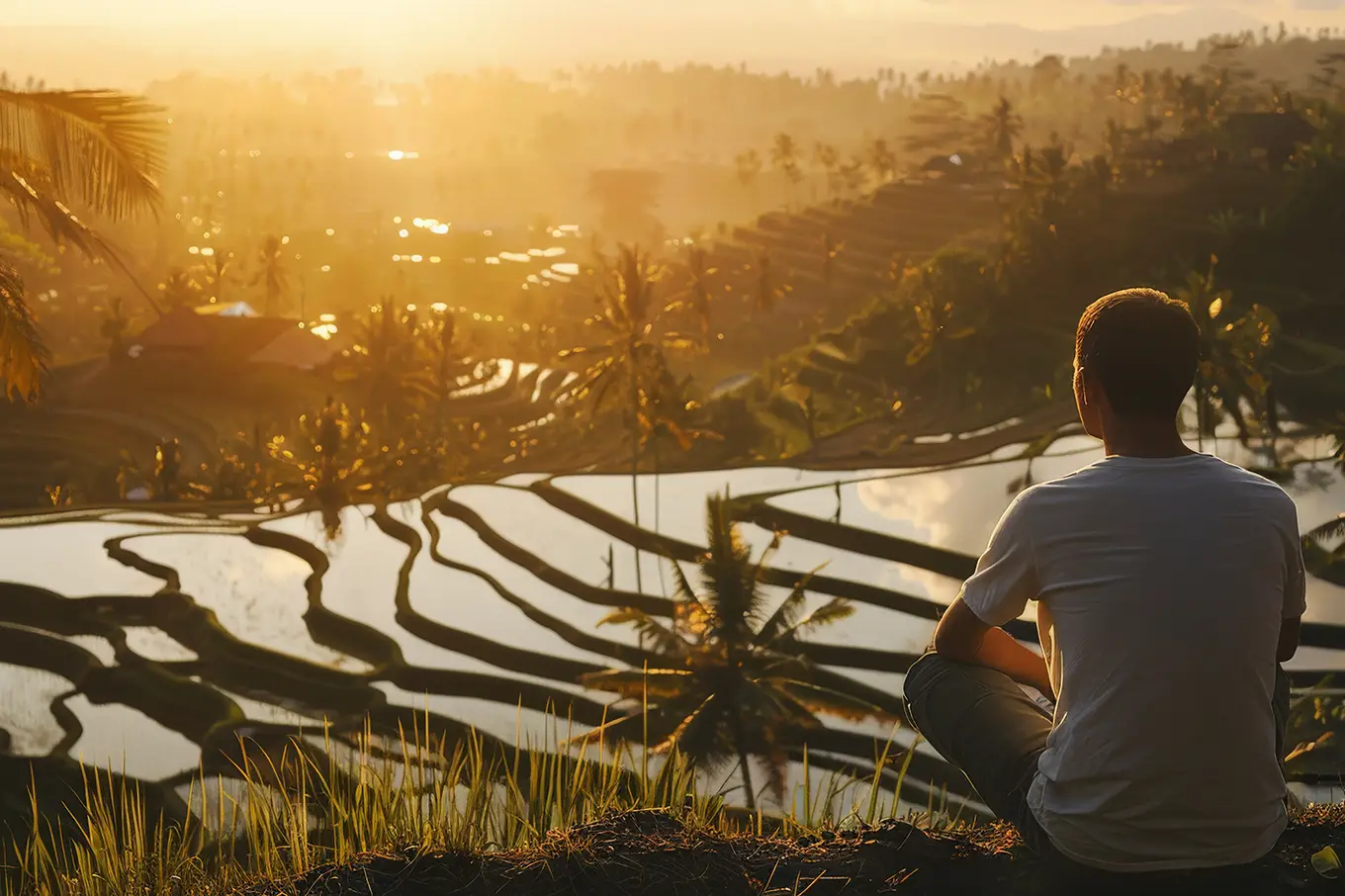
Bali is known for its rich cultural traditions, spiritual practices, and unique way of life. One important part of Balinese culture is its traditional system of timekeeping. The Balinese calendar plays an essential role in determining religious ceremonies, cultural celebrations, and important activities throughout the year. Unlike the Gregorian calendar commonly used worldwide, the Balinese calendar combines different systems to organize time according to religious and traditional beliefs.
Understanding the Balinese calendar can help visitors appreciate how Balinese people organize their daily lives and preserve their cultural heritage. Among its systems, the Saka calendar is particularly important because it determines many religious observances and traditional celebrations.
What Is the Balinese Calendar and How Does It Work?
The Balinese calendar is a traditional timekeeping system used by Hindu communities in Bali to organize religious activities, ceremonies, and cultural events. It combines lunar and solar calculations with traditional cycles that help determine important dates throughout the year.
There are two main systems within the Balinese calendar, namely the Saka and Pawukon calendars. Each has a different method of calculating time and serves specific purposes in Balinese society.
The Saka system follows lunar months adjusted to the solar year, while Pawukon uses a repeating 210 day cycle. These systems work together to provide a detailed structure for religious observances and traditional activities.
Unlike the Gregorian calendar, which follows a fixed 365 day year, the Balinese calendar reflects traditional Hindu cosmology and local cultural practices. This makes it an important part of understanding how Balinese communities maintain their spiritual traditions.
What Is the Balinese Saka Calendar Used For?
The Balinese Saka calendar is primarily used to determine important Hindu religious dates, including Nyepi, Galungan-related observances, and other ceremonial activities. It follows a lunar-based system consisting of 12 months, with an additional month periodically introduced to keep the calendar aligned with the solar year.
The Balinese Saka calendar begins its new year with Nyepi, also known as the Day of Silence. During this celebration, Balinese Hindus observe a day of reflection through four main restrictions: Amati Geni, Amati Karya, Amati Lelungan, and Amati Lelanguan.
These practices encourage people to avoid lighting fires, working, traveling, and entertainment. The purpose is to create an opportunity for self-reflection, spiritual purification, and maintaining harmony.
The Balinese Saka calendar also helps communities prepare for religious activities throughout the year. By following its dates, families and temples can organize ceremonies according to established Hindu traditions.
What Is the Difference Between the Saka and Pawukon Calendars?
Although both systems are part of the Balinese calendar, the Saka and Pawukon calendars have different structures and purposes.
The Saka calendar follows lunar months and solar adjustments. It is commonly used to determine major Hindu celebrations, particularly Nyepi and other religious observances.
Meanwhile, the Pawukon calendar follows a 210 day cycle divided into 30 different wuku, or seven day periods. Each wuku lasts seven days, and the entire cycle repeats after 210 days.
The Pawukon system also combines several weekly cycles, ranging from one-day to ten day cycles. These overlapping cycles help determine auspicious days for ceremonies, temple anniversaries, and traditional activities.
Understanding the Balinese calendar requires recognizing how these two systems complement each other. While the Saka system provides the annual religious framework, Pawukon offers a more detailed cycle for determining specific ceremonial occasions.
Together, they demonstrate how Balinese traditions incorporate different ways of measuring time.
How Do Balinese People Determine Religious Ceremony Dates?
Religious ceremony dates are determined through calculations based on the Balinese calendar, traditional Hindu principles, and local customs. Families, priests, and community leaders often refer to these systems when deciding the most appropriate days for important ceremonies.
The Saka calendar helps identify significant religious periods, while Pawukon determines recurring observances and auspicious days. Certain combinations of days are considered particularly meaningful for specific rituals.
For example, Tumpek celebrations occur every 35 days based on the combination of Saturday Kliwon in the five day and seven day cycles. Galungan and Kuningan also follow the Pawukon cycle, occurring every 210 days.
The Balinese calendar therefore provides guidance for organizing ceremonies while allowing communities to maintain their traditional practices.
Local customs may also influence the final arrangements. Families can consult religious leaders or temple authorities to ensure that ceremonies follow the appropriate traditions and calculations.
Why Is the Balinese Calendar Important in Daily Life?
The Balinese calendar is more than a traditional method of measuring time. It influences religious practices, social activities, and cultural identity across the island.
For many Balinese families, this system helps organize temple visits, family ceremonies, community gatherings, and important celebrations. It also provides guidance when choosing auspicious days for activities such as weddings, house ceremonies, and other traditional events.
The Balinese Saka calendar is particularly important because it connects everyday activities with Hindu religious values. Through celebrations such as Nyepi, people are encouraged to reflect on their relationship with God, other people, and the environment.
Meanwhile, the Pawukon system helps communities maintain recurring traditions and religious observances. These practices strengthen relationships between families and neighbors while preserving cultural knowledge across generations.
For visitors, learning about the Balinese calendar offers a deeper understanding of the island beyond its beaches and tourist attractions. It provides insight into how spirituality, tradition, and community life are closely connected in Bali.
If you visit Bali, you can stay at Alzeto Co Living, one of the co-living spaces in Bali for tourism who want to relax and connect. It can be a comfortable place to stay while exploring the island's cultural traditions, discovering local communities, and experiencing the spiritual side of Bali.
Published on 16 November 2026

