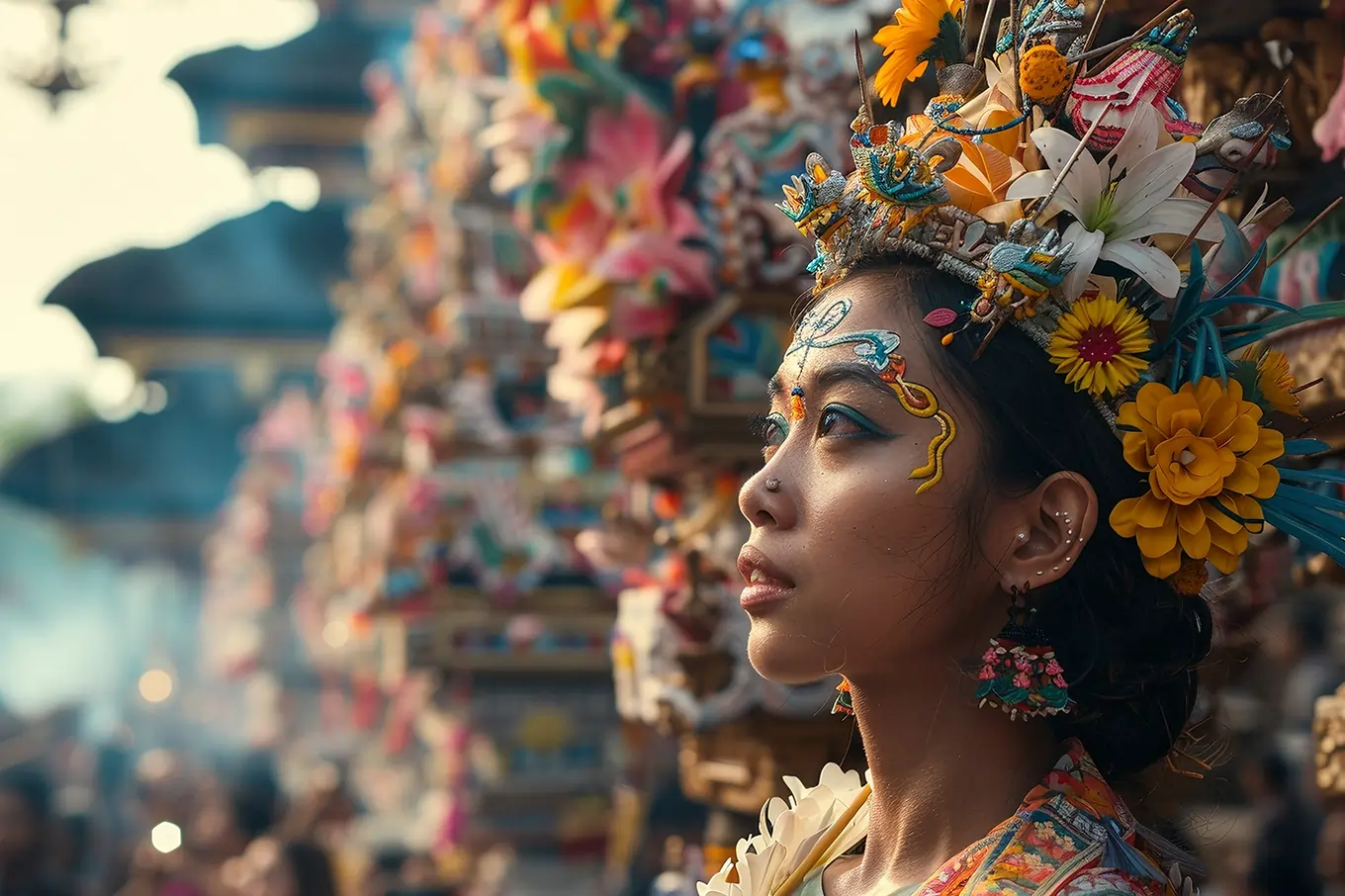
Bali is known not only for its beautiful beaches and landscapes but also for its rich cultural traditions that continue to thrive across generations. Among the island’s most celebrated cultural treasures, Bali Legong stands out as a graceful and iconic art form that reflects the elegance and artistic identity of Balinese heritage.
What Is Bali Legong?
Bali Legong is one of the most iconic traditional performing arts in Bali and is widely recognized for its elegance, expressive gestures, and cultural meaning. Often referred to as Bali Legong dance, this classical dance combines storytelling, music, and refined movement into a captivating performance.
Traditionally performed by young female dancers, Bali Legong represents grace, discipline, and artistic excellence. The dancers communicate emotions and narratives through eye movements, hand gestures, body posture, and synchronized steps accompanied by traditional Balinese gamelan music.
Unlike many modern performances, Bali Legong dance is deeply connected to cultural identity and ceremonial traditions. Every movement has symbolic meaning, making it more than entertainment it is also an expression of Balinese values and heritage.
Today, visitors from around the world seek opportunities to experience Bali Legong as part of understanding the island’s unique artistic culture.
History and Cultural Significance
The origins of Bali Legong can be traced back to the royal courts of Bali during the 19th century. Historical accounts suggest that the dance developed as a refined performance intended for palace ceremonies and elite audiences.
According to local tradition, Bali Legong dance evolved from sacred performance traditions and gradually became one of the island’s most respected classical dances. Early performances were closely associated with spiritual and ceremonial contexts before becoming accessible to wider audiences.
The word “Legong” is often interpreted as a combination of concepts related to movement and elegance. Over time, Bali Legong became a symbol of cultural sophistication and artistic identity in Balinese society.
Cultural preservation remains important because the dance reflects generations of inherited knowledge. Training often begins at a young age, requiring dancers to master detailed techniques and emotional expression.
For local communities, Bali Legong dance serves as both cultural education and heritage preservation. Dance schools, cultural centers, and village groups continue teaching younger generations to ensure the tradition remains alive.
The continued popularity of Bali Legong demonstrates how traditional arts can adapt while maintaining authenticity.
Characteristics of Legong Dance
One of the most distinctive elements of Bali Legong is its precision and visual beauty. Every performance is carefully choreographed to create harmony between movement and music.
Several characteristics define Bali Legong dance:
Intricate Hand and Finger Movements
Dancers perform controlled and detailed gestures that require years of training. These movements help communicate emotions and story elements.
Expressive Eye Movements
Eye movement plays a central role in Bali Legong. Dancers shift their gaze rapidly and intentionally to create dramatic expression.
Elegant Costumes
Traditional costumes include colorful fabrics, decorative accessories, and ornate golden headpieces. These visual elements enhance the performance’s regal appearance.
Traditional Gamelan Music
Live gamelan accompaniment creates rhythm and atmosphere. The synchronization between musicians and performers is essential in Bali Legong dance.
Storytelling Elements
Many performances present stories inspired by folklore, mythology, and historical narratives.
Because of these characteristics, Bali Legong remains one of the most recognizable dance forms in Indonesia and continues attracting international audiences.
Bali Legong Dance Performances Today
Modern audiences can experience Bali Legong dance in many settings across Bali. While traditional ceremonies still preserve its sacred roots, public cultural performances allow visitors to appreciate this art form.
Today, Bali Legong performances are organized at cultural venues, temples during special events, and dedicated performance stages. Many productions maintain traditional choreography while improving stage presentation for international audiences.
Tourism has contributed to increased global awareness of Bali Legong, encouraging cultural organizations to continue preservation efforts. However, local communities emphasize maintaining authenticity and respecting traditional values.
Watching Bali Legong dance offers more than visual enjoyment it provides insight into Balinese philosophy, artistic discipline, and community traditions.
For travelers interested in cultural experiences, attending a performance can become one of the most memorable moments of visiting Bali.
Where to Watch Legong in Bali
There are several popular places where visitors can enjoy Bali Legong performances while exploring the island.
Ubud
Known as Bali’s cultural center, Ubud regularly hosts traditional dance performances and artistic events.
Denpasar
The capital city offers opportunities to see Bali Legong dance during cultural celebrations and local events.
Traditional Villages
Some villages continue preserving classical performance traditions and provide authentic cultural experiences.
Cultural Centers and Performance Halls
Dedicated venues showcase Bali Legong with scheduled performances for local and international audiences.
Before attending, visitors may check schedules in advance because performance times can vary depending on seasons and ceremonial calendars.
Experiencing Bali Legong dance in its cultural setting allows travelers to appreciate not only the performance itself but also the heritage and community spirit behind it.
If you visit Bali, you can stay at Alzeto Co Living, one of the co-living spaces in Bali for tourism who want to relax and connect.
Published on 29 June 2026