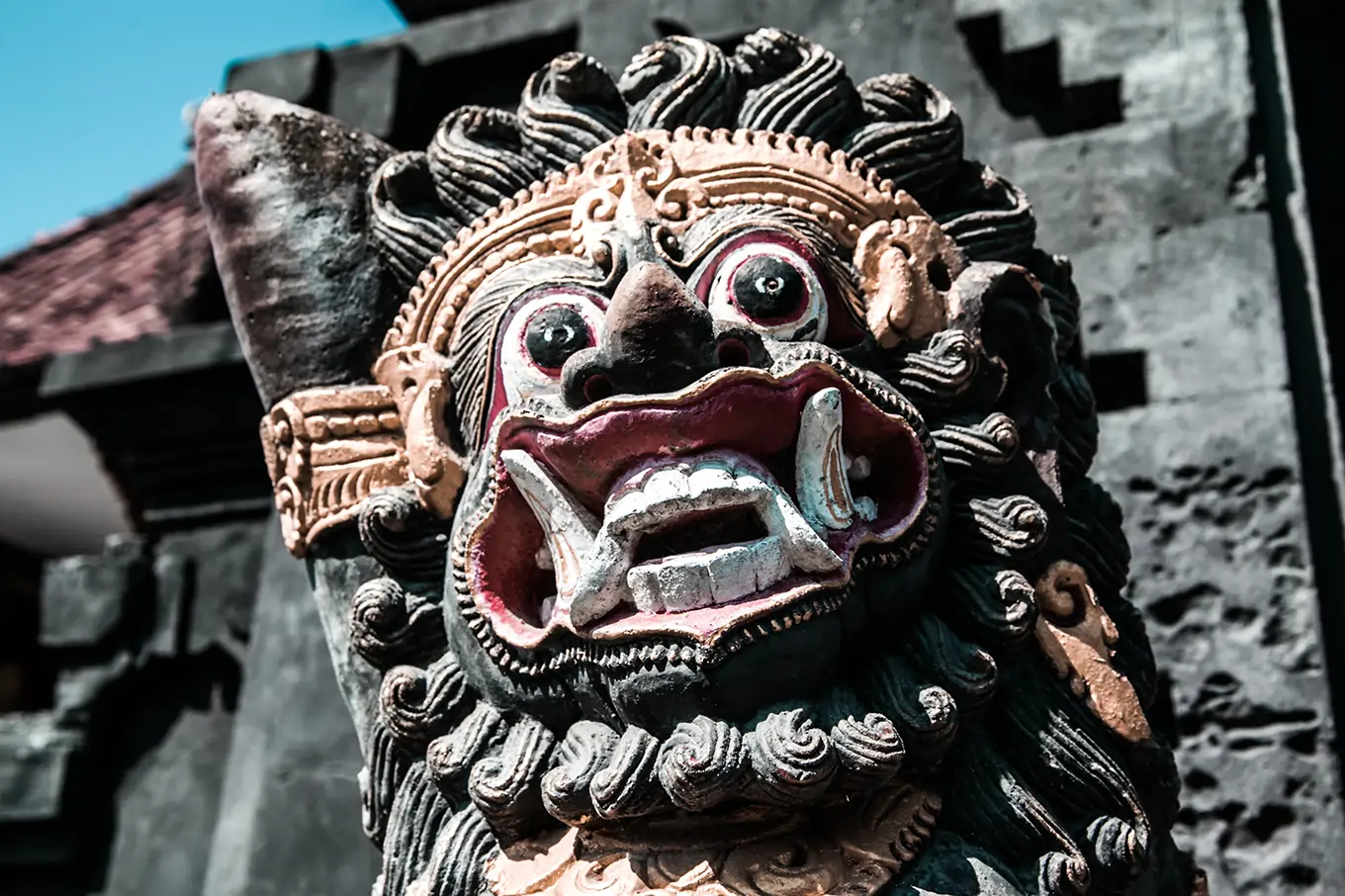
Balinese Wood Carving Styles That Reflect Spiritual Heritage
Balinese wood carving is one of the island’s most profound artistic traditions, recognized globally for its exceptional craftsmanship and deep spiritual symbolism. More than just decorative art, Balinese wood carving embodies the cultural and religious identity of the Balinese people. Every carved line, curve, and shadow holds meaning, reflecting beliefs passed down for generations.
This art is deeply interwoven with Hindu Balinese cosmology, where deities, spirits, and natural forces coexist and influence daily life. The carvings are not merely created for aesthetic appeal, they serve as protectors, storytellers, and spiritual reminders. Understanding Balinese wood carving means understanding the values and rituals that shape the island’s unique worldview.
Traditional Wood Carving Styles in Bali
Wayang Style Carving
One of the oldest and most iconic styles in Balinese wood carving is the Wayang style. Inspired by characters from Hindu epics such as the Ramayana and Mahabharata, this carving style is known for its highly detailed, elongated figures. Artisans meticulously carve expressive faces, dramatic postures, and ornate costumes that reflect the distinct identity of each character. Wayang carvings often serve both artistic and ritual purposes, symbolizing the constant interplay between good and evil.
Flora and Fauna Motifs
Another widely admired style features natural elements such as flowers, vines, birds, and mythical creatures. The flowing curves and soft contours mirror Bali’s lush landscape and deep respect for nature.
These motifs are often carved into architectural elements like doorways, pillars, and household décor. This style reflects the belief that nature holds spiritual energy, making every carved motif a form of blessing for the space it decorates.
Contemporary Minimalist Interpretations
As global art trends continue to evolve, Balinese wood carving has adapted with modern minimalist interpretations. Artisans and designers collaborate to create sleek, contemporary pieces while preserving traditional carving techniques. This fusion not only keeps the craft relevant but also preserves its spiritual essence, proving that heritage arts can evolve without losing their identity.
Spiritual Symbolism Behind Balinese Wood Carving
Sacred Motifs and Meanings
Spiritual symbolism is at the heart of Balinese wood carving. Many pieces depict deities such as Ganesha, Saraswati, or guardian spirits believed to provide protection and balance.
Lotus flowers represent purity, Garuda symbolizes strength and courage, while swirling motifs reflect life’s continuous flow. These symbols are carved with intention and ritual respect, ensuring that every artwork carries spiritual energy.
Rituals and Cultural Practices
Traditional wood carvers often follow ceremonial practices before beginning a carving. Some conduct small offerings to honor ancestral spirits or seek guidance from divine forces.
This ritualistic approach demonstrates that carving is not simply a craft, it is a spiritual dialogue. The belief that objects hold spiritual essence, known as taksu, influences every stage of the creative process.
Craftsmanship and Techniques of Balinese Master Carvers
Choosing the Right Wood
Balinese artisans carefully choose woods like teak, jackfruit, and crocodile wood for their natural durability and texture. Each type of wood offers different characteristics, influencing the final feel and depth of the carving.
The Hand Carving Process
The crafting process is entirely manual, using chisels, knives, and traditional tools passed down through generations. Artisans shape the wood slowly and intentionally, refining each detail until the carving achieves perfect balance between technique and symbolism. This dedication results in pieces that radiate authenticity, making Balinese wood carving highly valued around the world.
The Evolution and Preservation of Balinese Wood Carving
Balancing Tradition and Modern Influence
The global demand for handcrafted Balinese art has encouraged artisans to innovate while staying true to cultural wisdom. Workshops across the island blend traditional motifs with modern home décor trends, creating pieces suitable for both spiritual and contemporary living spaces.
Passing Down the Legacy
To preserve this heritage, many communities teach carving to younger generations. Cultural festivals, exhibitions, and artisan villages help promote Balinese craftsmanship and strengthen appreciation for the island’s artistic legacy. Preserving Balinese wood carving ensures continuity of the stories, symbols, and spiritual knowledge carried through each masterpiece.
Balinese wood carving stands as a testament to Bali’s deep spiritual roots, cultural devotion, and artistic mastery. Each piece is more than a work of art, it is a living symbol of the island’s soul, telling stories that have persisted for centuries. For visitors seeking to understand Bali beyond its landscapes, exploring its wood carving tradition provides a profound connection to the island’s heritage.
And if you plan to visit Bali, you can stay at Alzeto Co-Living, one of the co-living spaces in Bali designed for tourism travelers who want to relax and connect.
Published on 04 December 2025

