Why Canang Sari Is the Most Fascinating Balinese Tradition?
Bali is widely known for its breathtaking landscapes, vibrant culture, and deeply rooted spiritual practices. Among its many traditions, canang sari remains one of the most iconic symbols of daily devotion. These small yet meaningful offerings can be seen everywhere on sidewalks, temples, shop entrances, beaches, and even at busy intersections. Beyond their beauty, canang sari represent gratitude, balance, and an ongoing connection between the physical and spiritual realms.
Understanding this tradition also gives a deeper look into how Balinese culture weaves spirituality into everyday life. It is no surprise that many travelers, cultural observers, and balinese healers consider canang sari a vital part of the island’s harmony. To appreciate this tradition, we must understand how canang sari are made and how they reflect the Balinese philosophy of Tri Hita Karana maintaining harmony between humans, nature, and the divine.
The process of making canang sari is not merely a routine; it is a meditative act filled with intention, gratitude, and awareness. The meaning and energy behind each offering carry a depth that even the most seasoned balinese healers admire. This spiritual precision is what makes the tradition so captivating to locals and visitors.
The Meaning Behind Canang Sari
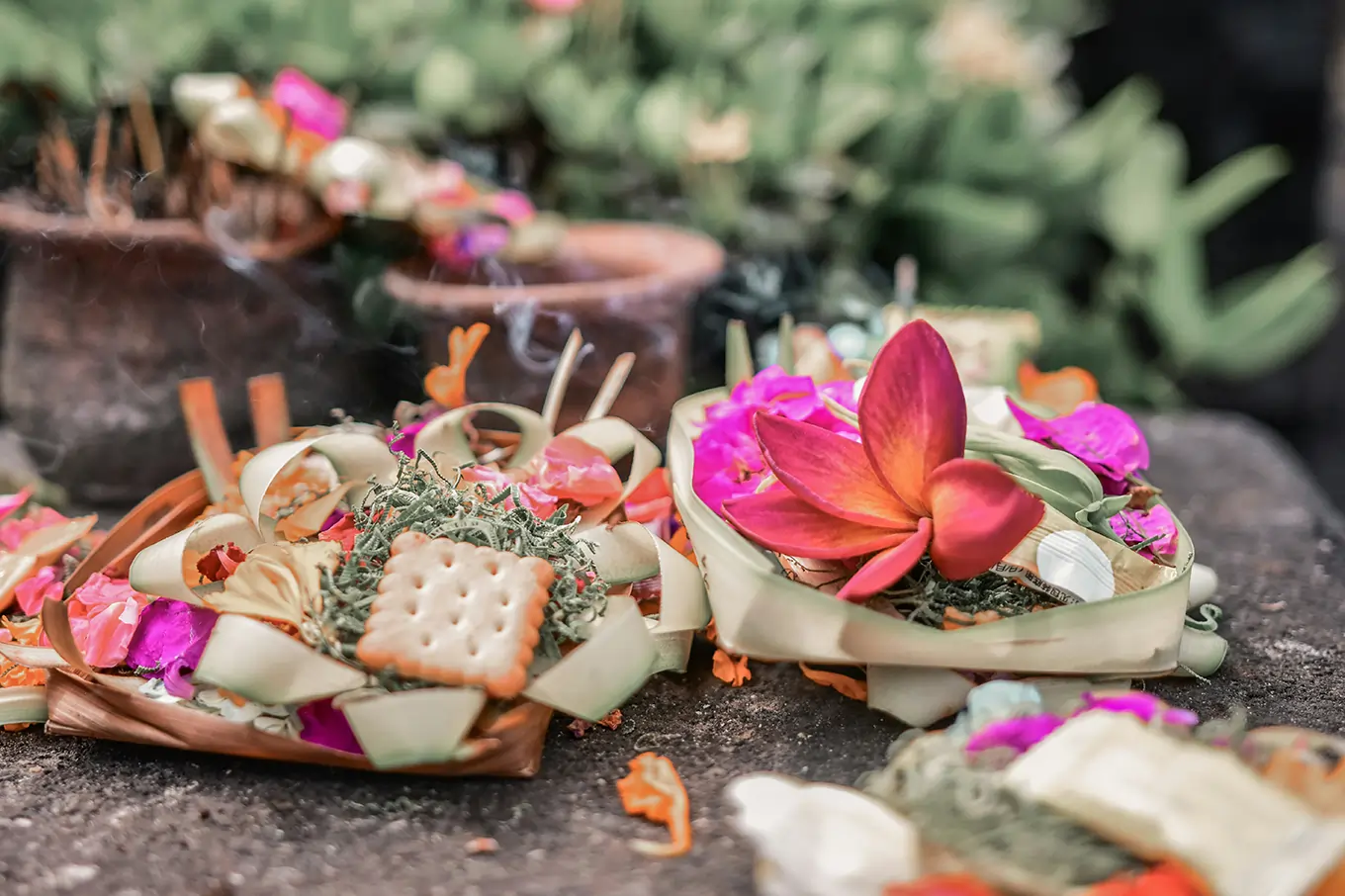
Canang sari is made as a form of gratitude to the gods for peace and blessings. Each component carries symbolic meaning designed to maintain universal harmony. The base is usually a small square tray made of young coconut leaves, symbolizing sincerity and purity. Inside, a combination of flowers in four primary colors is placed, each facing a specific direction representing different Hindu deities. When balinese healers perform rituals or spiritual consultations, they often use canang sari to support balance and invite positive energy.
As they guide people through healing, balinese healers emphasize that spirituality is not solely about grand ceremonies; instead, it is woven into small daily acts such as making canang sari. By placing offerings every morning, Balinese families reaffirm their connection with the divine. This repetitive ritual cultivates mindfulness, helping individuals remain centered throughout their daily lives. Because of this, even the simplest canang sari becomes a powerful symbol of devotion.
The Art and Purpose of Making Canang Sari
The process of making canang sari is just as meaningful as the offering itself. It begins with preparing the small tray, cutting young coconut leaves with precision, and assembling them into a beautifully woven base. Inside the tray, flowers of different colors red, white, blue or green, and yellow are placed according to cardinal directions. Each flower relates to a specific manifestation of the divine, making the placement highly symbolic.
Many balinese healers say that the intention behind making canang sari is more important than the materials. The act is a quiet moment of meditation, a pause in the day for reflection and gratitude. As the offering takes shape, the maker channels calmness and clarity, aligning their energy with the purpose of the ritual. This explains why balinese healers often include canang sari in spiritual cleansing sessions, as the offering helps anchor the mind and emotion of anyone undergoing healing.
Though the final touch is a small piece of canang, known as "sari" often a betel nut or incense, the true “essence” is the sincerity behind it. Even visitors who learn making canang sari through workshops or cultural programs can feel how grounding the experience is. It is not difficult to see why balinese healers incorporate this tradition so deeply in their healing practices.
The Role of Balinese Healers in the Tradition
Balinese healers play a significant role in preserving spiritual customs on the island, including the philosophy behind canang sari. Their deep knowledge of rituals allows them to guide others in understanding the meaning and purpose of offerings. Many people seeking emotional clarity, physical healing, or spiritual growth visit balinese healers to learn more about how daily offerings influence balance and harmony.
By observing balinese healers, one can see how making canang sari is intertwined with spiritual wellness. During rituals, balinese healers use offerings to open sacred communication with the divine, cleanse negative energy, and foster grounding. Their belief that energy flows through intention is reflected in every step of making canang sari, reinforcing why the tradition remains so essential today.
Why Canang Sari Continues to Inspire Visitors
The beauty of canang sari is more than visual; it represents a lifestyle centered around mindfulness, gratitude, and harmony. Whether placed at temple gates or in front of homes, each offering is a reminder to pause and appreciate life's blessings. Visitors often find themselves inspired by this gentle ritual, and many seek cultural experiences involving balinese healers or try making canang sari to deepen their understanding of Balinese spirituality.
The charm of canang sari lies in its simplicity, yet its meaning stretches far beyond its physical form. This balance of modesty and depth is precisely what makes it one of the most fascinating traditions in Bali.
If you visit Bali, you can stay at Alzeto Co-Living, one of the co-living spaces in Bali for tourists who want to relax and connect.
Published on 16 December 2025

