Unmissable Bali Cultural Attractions for Your Next Adventure
Bali is known worldwide not only for its beaches and natural scenery but also for its deeply rooted cultural heritage. For travelers seeking a more meaningful and immersive journey, exploring various Bali cultural attractions offers an unforgettable experience. From temples to traditional villages, rituals, and local arts, Bali presents a unique blend of history and spirituality that continues to captivate visitors from around the globe.
In this article, we’ll explore why Bali cultural attractions are essential to your travel itinerary, where to find the most iconic cultural spots, and how you can make the most of your cultural adventure on the Island of the Gods.
The Richness of Bali’s Cultural Heritage
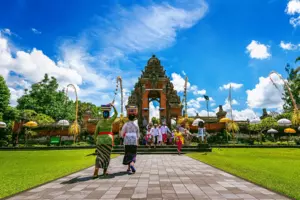
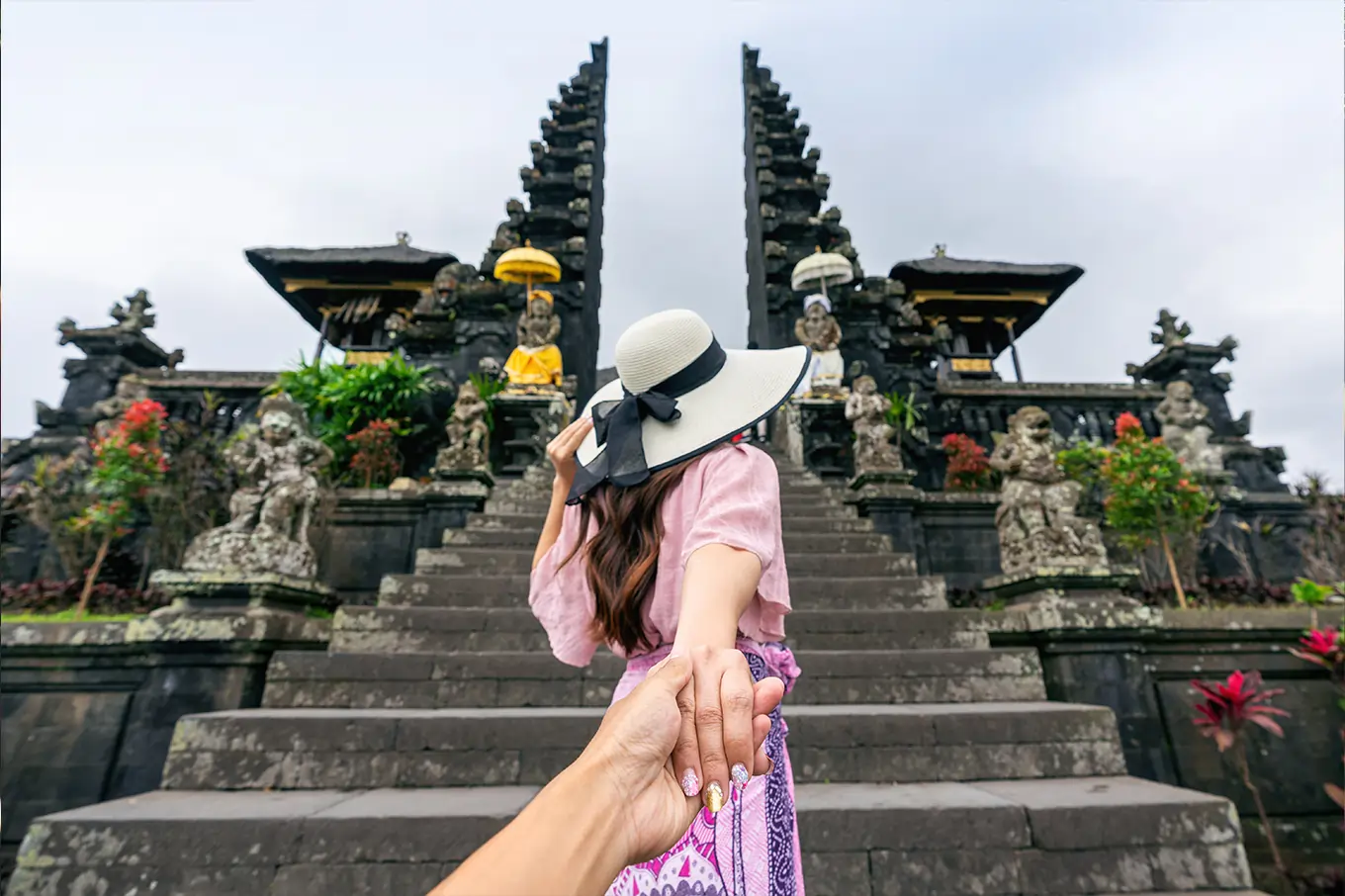
One of the most iconic aspects of Bali cultural attractions is its temples. Bali is home to thousands of Hindu temples, each offering a distinct spiritual experience. Pura Besakih, known as the Mother Temple, stands as one of the most significant Bali cultural attractions, attracting visitors who want to witness the island’s spiritual heart.
Equally captivating is Tanah Lot, a sea temple perched on a rock formation overlooking the ocean. This destination is not only one of the most photographed Bali cultural attractions, but it also carries deep religious meaning for the Balinese people. Watching the sunset here while understanding its cultural significance creates an unforgettable moment for any traveler.
Beyond temples, Bali’s traditional villages are also among the strongest Bali cultural attractions. Penglipuran Village, for example, is known for its cleanliness, unique architecture, and preservation of traditional customs. Meanwhile, Tenganan Village showcases ancient Balinese traditions and double ikat weaving, an art form that has been preserved for generations.
These villages allow travelers to experience Bali cultural attractions in the most authentic way by interacting with locals, observing traditional ceremonies, and learning how culture shapes everyday life.
Arts, Dance, and Cultural Performances
Balinese dance plays a significant role in the island’s heritage, making it one of the must see Bali cultural attractions. Performances such as Barong, Legong, and the famous Kecak Fire Dance depict stories from mythology and history. These dances are performed with precision, expressive movements, and elaborate costumes, offering an immersive cultural experience.
Tourists often list these performances as their favorite among all Bali cultural attractions because they combine storytelling, spirituality, and artistic mastery in one captivating show.
Art is a living part of Balinese life. Ubud, the cultural capital of the island, is home to numerous art galleries, such as the Neka Art Museum and the Agung Rai Museum of Art (ARMA). These destinations are well-known Bali cultural attractions that showcase traditional paintings, sculptures, and modern interpretations of Balinese art.
Local markets such as Ubud Art Market and Sukawati Market also provide cultural insight. Here, visitors can find handmade crafts, batik fabrics, wood carvings, and jewelry all part of the diverse Bali cultural attractions that reflect the island's artistic heritage.
Rituals, Ceremonies, and Spiritual Practices
Balinese culture is rich with rituals that happen every day. From small offerings placed on the ground to large scale ceremonies at temples, these traditions form the essence of many Bali cultural attractions. Visitors often find themselves enchanted by how spirituality blends seamlessly into daily life.
Major celebrations such as Galungan, Kuningan, Melasti, and Nyepi are among the most significant Bali cultural attractions, drawing tourists who wish to witness the island’s sacred rituals firsthand.
Nature is deeply connected to Balinese beliefs, making rice terraces, waterfalls, and mountains part of the broader Bali cultural attractions. Places like Tegallalang Rice Terrace and Jatiluwih Rice Terrace are not only beautiful but also reflect the island’s Subak irrigation system, a UNESCO recognized cultural heritage.
Mount Agung and Mount Batur are also considered sacred and play an essential role in Balinese cosmology. These landscapes serve as powerful Bali cultural attractions that connect visitors with the island’s spiritual roots.
Enhancing Your Cultural Journey in Bali
As you explore various Bali cultural attractions, being respectful and mindful is essential. Here are some quick tips:
-
Wear appropriate clothing when visiting temples
-
Avoid disrupting ceremonies or taking flash photography
-
Support local artisans by buying handcrafted products
-
Learn simple Balinese phrases to connect with locals
These small actions enhance your experience and help preserve the authenticity of Bali cultural attractions.
Where to Stay for Easy Access to Cultural Sites?
To fully enjoy the richness of Bali cultural attractions, staying in a comfortable and accessible accommodation makes a huge difference. Many cultural sites are spread across Bali, so choosing a strategic location will help you explore more effectively.
Exploring Bali cultural attractions is an enriching journey that allows you to understand the soul of Bali, its traditions, spirituality, and artistic beauty. Every temple, village, dance, and ceremony tells a story that shapes the identity of the island. Whether you are a first time traveler or a returning visitor, these cultural treasures always offer something new to discover.
And if you plan to explore Bali, you can stay at Alzeto Co Living, one of the best co living spaces in Bali for travelers who want to relax and connect.
Published on 02 December 2025