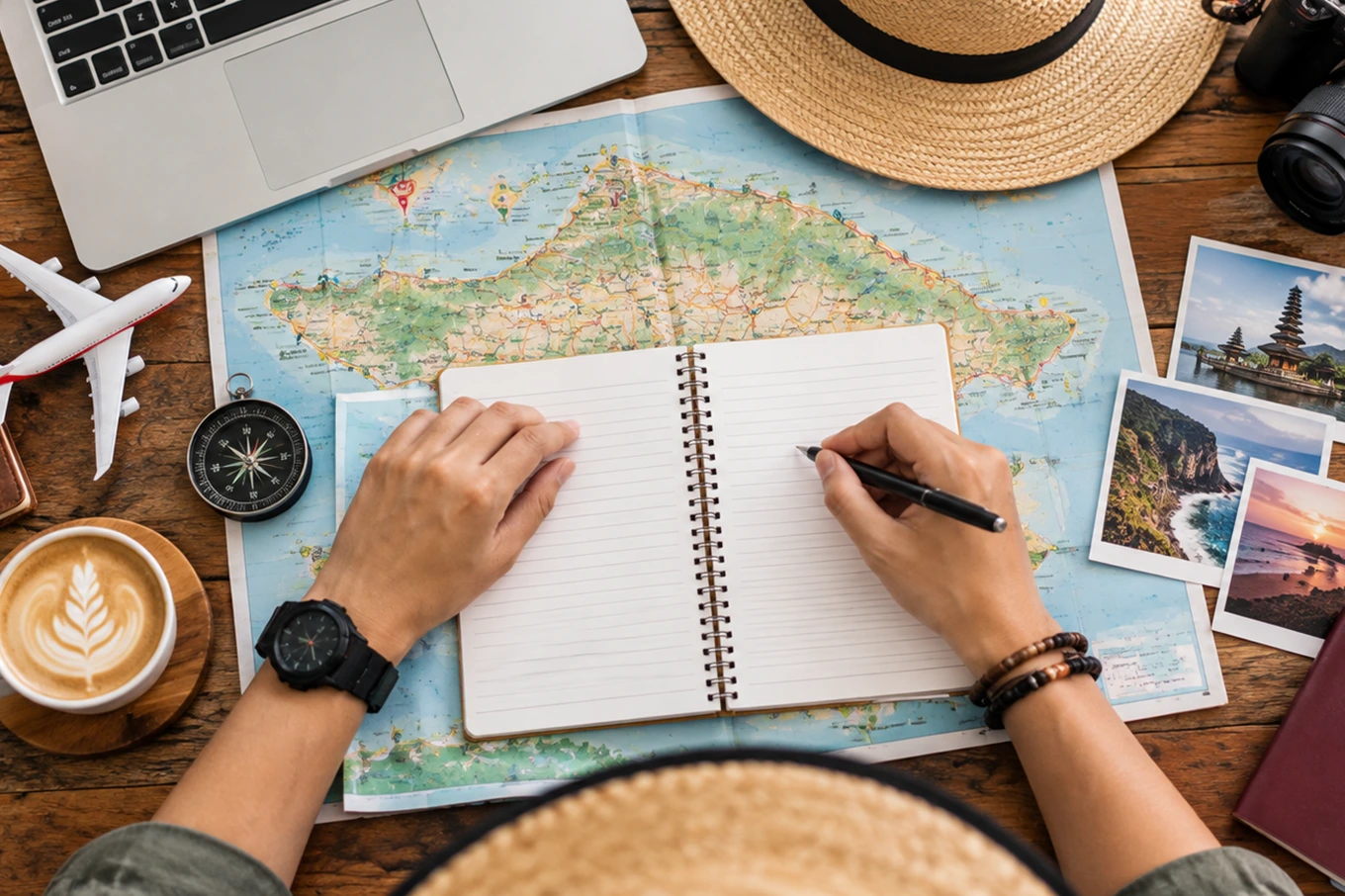
Traveling to a new destination can be exciting, but unexpected travel expenses may disrupt your plans if you do not prepare for them. Even with a carefully planned budget, situations such as flight cancellations, medical emergencies, lost belongings, or sudden transportation changes can increase your travel costs. These expenses can happen to anyone, whether you are taking a short holiday or planning a longer trip abroad.
Understanding unexpected travel expenses before leaving home helps you prepare financially and enjoy your journey with greater peace of mind. By setting aside emergency funds, researching your destination, and planning for possible changes, you can reduce financial stress while traveling.
This guide explores common unexpected travel expenses, practical ways to prepare for additional costs, and budgeting strategies that help you manage your money throughout your trip.
What Are Common Unexpected Travel Expenses?
Unexpected travel expenses are costs that arise during a trip but are not included in your original travel budget. They may occur because of emergencies, changes in your itinerary, or circumstances beyond your control. Recognizing these possibilities makes it easier to prepare for unexpected travel expenses before they affect your plans.
One common example is transportation disruption. A canceled flight, missed connection, or delayed train may require you to purchase another ticket or book an additional night at a hotel. If your travel insurance does not cover the situation, you might need to pay these costs yourself.
Medical expenses are another concern. Minor illnesses, injuries, or unexpected visits to a clinic can become expensive, particularly in destinations where healthcare services cost more than expected. Travel insurance may help cover eligible medical costs, depending on your policy.
Other common unexpected travel expenses include:
-
Accommodation changes: Booking an extra night because of a delayed flight or an unexpected itinerary change.
-
Lost or damaged belongings: Replacing essential items such as luggage, clothing, or travel documents.
-
Additional transportation: Paying for taxis, ride hailing services, or alternative transport when public transportation is unavailable.
-
Currency exchange fees: Losing money through unfavorable exchange rates or international transaction charges.
-
Unexpected activities: Paying entrance fees, local taxes, or additional charges for experiences that were not included in your original plan.
These expenses may seem small individually, but several unexpected payments can quickly affect your budget. Identifying possible risks before departure allows you to prepare a more realistic financial plan.
How Can I Prepare for Unexpected Travel Costs?
Preparing for unexpected travel expenses starts with creating a travel budget that includes more than flights, accommodation, food, and planned activities. You should also account for situations that might require additional spending.
Begin by researching the destination. Check local transportation prices, healthcare options, weather conditions, entry requirements, and common tourist fees. Understanding these details helps you identify potential costs that might otherwise be overlooked.
Next, establish a separate emergency fund. Keep this money apart from your daily spending budget so that you do not accidentally use it for shopping, dining, or entertainment. You can keep part of it in an accessible savings account and carry a small amount of cash for situations where electronic payments are unavailable.
Travel insurance is another useful preparation tool. Depending on the policy, it may cover eligible medical emergencies, trip cancellations, travel delays, or lost baggage. Read the terms carefully, including exclusions, coverage limits, and deductibles, before purchasing a policy.
Here are several practical tips for unexpected travel expenses that can help you prepare:
-
Create a flexible budget: Include a contingency amount for emergencies and itinerary changes.
-
Save digital copies of documents: Store copies of your passport, identification, bookings, and insurance details securely.
-
Research alternative transportation: Identify other ways to reach your accommodation if your original transport is disrupted.
-
Prepare backup payment methods: Carry a second card or maintain access to another payment account.
-
Monitor your spending: Review your expenses daily to understand how much money remains available.
These tips for unexpected travel expenses are particularly helpful when visiting unfamiliar destinations. With proper preparation, you can respond to sudden changes without immediately sacrificing essential activities or accommodation.
How Much Emergency Money Should I Bring When Traveling?
The amount of emergency money you should bring depends on your destination, trip duration, travel style, and existing financial protection. A short domestic holiday generally requires a different reserve from an international trip involving several flights and expensive accommodation.
As a general starting point, consider setting aside around 10–20% of your total travel budget for emergencies. This is a budgeting guideline rather than a fixed rule, so you may need more if you are visiting an expensive destination or traveling during a season when transportation and accommodation prices fluctuate significantly.
For example, if your planned trip costs IDR 5,000,000, an emergency reserve of IDR 500,000–1,000,000 could provide a starting point. However, this amount may not be enough to cover a major medical emergency, an international flight change, or several additional nights in a hotel.
When calculating your emergency fund, consider the following factors:
-
Trip duration: Longer trips create more opportunities for unexpected costs.
-
Destination prices: Expensive cities may require a larger financial reserve.
-
Transportation arrangements: Trips involving multiple connections can be more vulnerable to disruption.
-
Travel insurance: Appropriate coverage may reduce your out of pocket expenses for eligible emergencies.
-
Personal circumstances: Travelers with special equipment, specific dietary requirements, or essential medications may need additional funds.
It is also wise to divide your emergency money between accessible payment methods. Keep a small amount of cash for immediate needs while maintaining access to funds through a bank account or backup card.
The goal is not to carry excessive cash but to ensure that you can handle reasonable emergencies without borrowing money or abandoning your travel plans.
What Travel Expenses Are Easy to Overlook?
Some travel expenses are easy to overlook because they appear small or are not included in the initial booking price. However, these charges can accumulate throughout your journey and leave you with less money for planned activities.
One example is baggage fees. Some airlines charge extra for checked luggage, overweight bags, or additional carry on items. If you purchase souvenirs during your trip, you may also need to pay for extra baggage capacity on your return flight.
Another commonly overlooked expense is local transportation. Airport transfers, parking, tolls, luggage storage, and late night taxi fares can increase your spending. Even when public transportation is affordable, reaching a hotel outside the main transport network may require additional payments.
Other costs to consider include:
-
Tourist taxes and service charges: Some destinations or accommodations apply fees that are separate from the advertised price.
-
Mobile data and roaming: International roaming can be expensive if you do not arrange a suitable data plan.
-
ATM and foreign transaction fees: Banks may charge for overseas withdrawals or card payments in another currency.
-
Laundry and personal supplies: Longer trips may require paid laundry services or replacement toiletries.
-
Tips and service payments: Certain destinations have customary tipping practices or additional service charges.
-
Booking changes: Modifying flights, hotel dates, or tours may involve penalties or price differences.
These overlooked costs are not always emergencies, but they can become unexpected travel expenses when they are missing from your original budget.
Before departure, review your bookings carefully and check whether taxes, baggage, transfers, and other services are included. A detailed checklist can help you estimate the full cost of your trip more accurately.
How Can I Avoid Unexpected Expenses While Traveling?
Although you cannot prevent every emergency, you can reduce the likelihood of unnecessary spending through careful planning and flexible decision making. The most effective approach is to identify potential risks before departure and maintain enough financial flexibility to respond when circumstances change.
Start by booking essential travel arrangements with clear cancellation and modification policies. The cheapest option is not always the most economical if changing your plans results in substantial fees. Compare the total cost, included services, and flexibility of each booking before making a decision.
You should also avoid planning an itinerary that is too tight. Allow enough time between connecting flights, reserve extra time for transportation, and keep alternative activities in mind. A flexible schedule can help prevent missed connections and expensive last minute arrangements.
Consider these additional strategies:
-
Track your daily spending. Use a budgeting application or simple spreadsheet to monitor expenses and identify unnecessary purchases.
-
Book reputable services. Check accommodation reviews, transportation providers, and tour operators before paying.
-
Check local conditions. Research weather patterns, public holidays, and seasonal travel disruptions that may affect your plans.
-
Understand your insurance. Know which situations are covered and how to contact your provider during an emergency.
-
Avoid unnecessary last-minute purchases. Compare available options before paying for replacement items or alternative services.
-
Keep emergency funds separate. Protect your reserve so it remains available when you genuinely need it.
Following these tips for unexpected travel expenses can help you maintain better control of your finances without making your holiday feel restrictive. A good travel budget should support enjoyable experiences while leaving room for circumstances you cannot predict.
Enjoy Your Trip to Bali with Better Financial Planning
Traveling becomes more enjoyable when you have prepared for both planned activities and unexpected costs. By building an emergency fund, researching local expenses, reviewing insurance coverage, and tracking your spending, you can manage unexpected travel expenses more confidently.
Bali is an excellent destination for travelers who want to experience beautiful landscapes, cultural traditions, local communities, and relaxing surroundings. Planning your accommodation and daily activities in advance can help you make the most of your visit while keeping your spending under control.
If you visit Bali, you can stay at Alzeto Co Living, one of the co-living spaces in Bali for tourism who want to relax and connect. It can be a comfortable place to stay while exploring the island's cultural traditions, discovering local communities, and experiencing the spiritual side of Bali.
With a realistic budget and a little preparation, you can explore Bali with greater peace of mind and focus on creating memorable travel experiences.
Published on 22 October 2026

