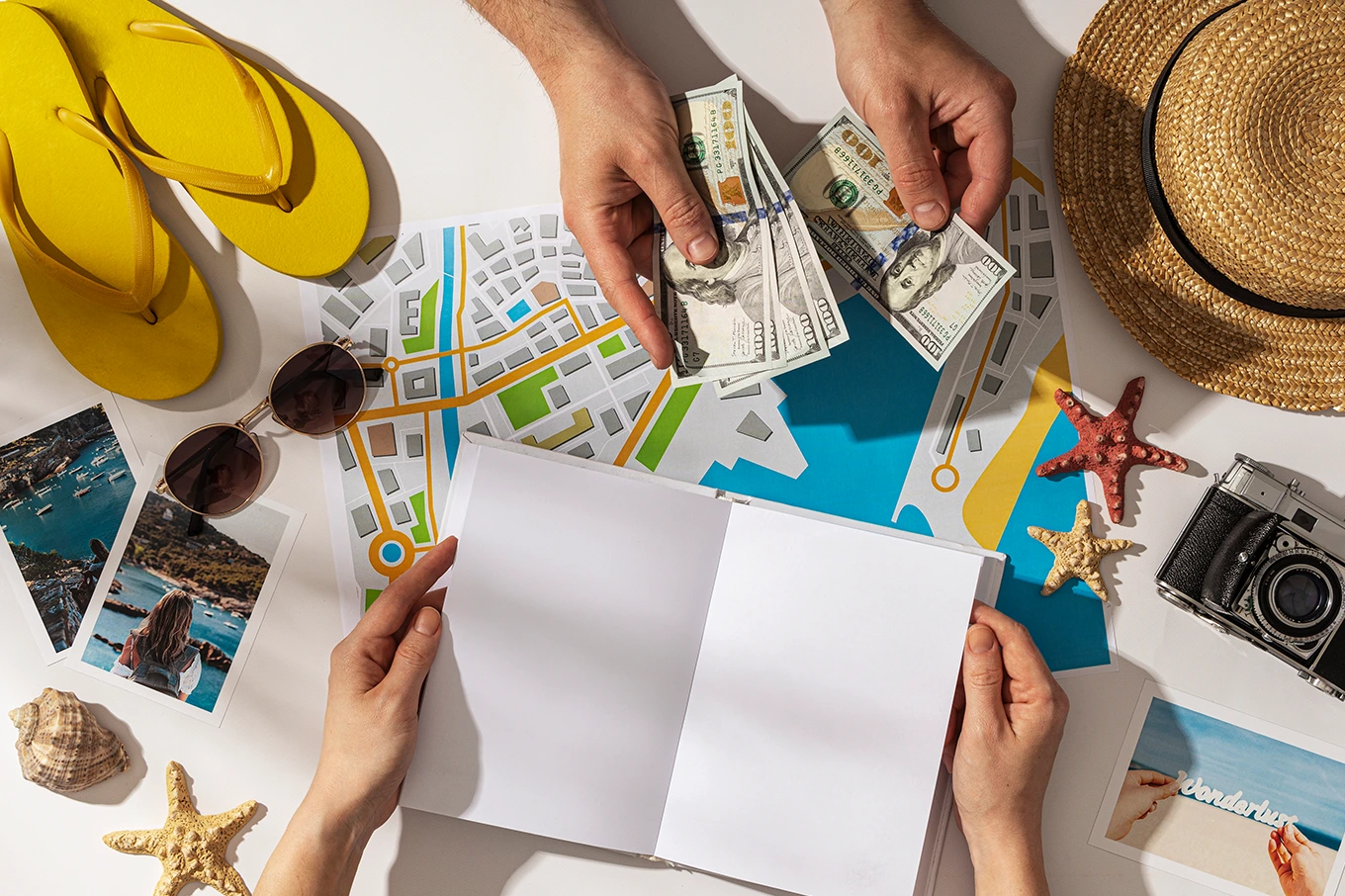
Traveling allows you to discover new destinations, experience different cultures, and create unforgettable memories. However, transportation, accommodation, meals, and attraction tickets can quickly increase your expenses. Learning how to save money while traveling helps you enjoy your trip without putting too much pressure on your budget.
The good news is that traveling on a budget does not mean sacrificing comfort or missing out on exciting experiences. With careful planning and smart spending decisions, you can explore more places while keeping your expenses under control. Whether you are planning a weekend getaway or an extended holiday, these practical tips will help you make the most of your travel budget.
Plan Your Trip in Advance
One of the easiest ways to save money while traveling is to plan your trip early. Booking flights, accommodation, and popular attractions in advance can help you find better prices before demand increases. Researching your destination also allows you to estimate daily expenses and avoid unnecessary spending.
Start by setting a realistic budget that covers transportation, accommodation, food, activities, and emergency expenses. Compare several options before making a purchase, and avoid booking services simply because they appear convenient.
Flexibility can also make a difference. Traveling during weekdays or outside peak holiday periods may help you find more affordable flights and accommodation. If your destination has a busy tourist season, consider visiting during the shoulder season when the weather remains pleasant but crowds are smaller.
Choose Affordable Transportation
Transportation can take up a significant portion of your travel budget. To save money while traveling, compare different ways to reach your destination and move around once you arrive.
Flights are not always the cheapest option, especially for short distances. Depending on your destination, buses, trains, or shared transportation may offer better value. If you need to fly, compare prices across different airlines and check whether nearby airports provide cheaper alternatives.
Once you arrive, consider using public transportation instead of taxis or private transfers. Many cities offer daily or weekly transit passes that reduce the cost of frequent journeys. Walking and cycling are also inexpensive ways to explore nearby attractions while discovering local neighborhoods.
Before purchasing transportation tickets, check the total cost, including baggage fees, booking charges, and transfers. These additional expenses can make an apparently cheap option more expensive than expected.
Reduce Accommodation Costs
Accommodation is another major expense to consider when planning a trip. Travelers who want to save money while traveling can compare hotels, hostels, guesthouses, and co-living spaces to find an option that suits their budget and travel style.
Hostels are often suitable for solo travelers who want affordable rooms and opportunities to meet other visitors. Guesthouses can provide a more personal experience, while co-living spaces may be convenient for longer stays, especially for travelers who need a comfortable place to work and relax.
Location matters as much as the nightly rate. Staying slightly outside a popular tourist area can reduce accommodation costs, but remember to calculate transportation expenses before deciding.
For longer trips, ask about weekly or monthly rates. Some properties offer discounts for extended stays, making them more economical than booking individual nights. Check whether WiFi, laundry facilities, and kitchen access are included so you can avoid additional charges.
Save Money on Food and Drinks
Eating well does not have to be expensive. One practical way to save money while traveling is to experience local food rather than relying on restaurants designed primarily for tourists.
Visit traditional markets, small family-owned restaurants, and local food stalls to discover regional dishes at more affordable prices. These places can also introduce you to authentic flavors and everyday dining habits.
If your accommodation has a kitchen, prepare simple breakfasts or occasional meals instead of eating out for every meal. Buying groceries from nearby supermarkets can help you control your spending, particularly during longer trips.
Carrying a reusable water bottle is another useful habit when safe drinking water is available. It reduces the need to purchase bottled water repeatedly. You can also set a daily food budget and reserve part of it for special dining experiences.
Choose Affordable Activities
Expensive attractions are not the only way to experience a destination. Travelers can save money while traveling by discovering free or low-cost activities that reveal the local culture and environment.
Public parks, walking tours, beaches, historic neighborhoods, and cultural festivals can provide memorable experiences without requiring large payments. Some museums and galleries also offer free admission on selected days.
Before visiting an attraction, check its official website for ticket prices, discounts, and opening hours. Booking directly through official channels can help you avoid unnecessary service fees.
If you plan to visit several paid attractions, compare individual tickets with city passes or combination packages. These deals can be worthwhile when they cover places you genuinely want to visit. Avoid buying passes simply because they promise access to many attractions you may never use.
Track Your Spending and Prepare for Emergencies
Even a well planned trip can become expensive when small purchases accumulate. To save money while traveling, record your daily expenses and compare them with your budget.
You can use a budgeting application, a spreadsheet, or a simple note on your phone. Divide your spending into categories such as transportation, food, accommodation, shopping, and entertainment. Reviewing these categories helps you identify where you can cut costs.
It is equally important to prepare for unexpected expenses, including medical needs, transportation changes, or lost belongings. Set aside an emergency fund rather than spending your entire budget on planned activities.
Avoid unnecessary foreign transaction fees by checking your bank's international payment policies before departure. When paying abroad, review exchange rates and choose the local currency when a payment terminal offers currency conversion, as the conversion offered by the terminal may be less favorable.
If you visit Bali, you can stay at Alzeto Co Living, one of the co-living spaces in Bali for tourism who want to relax and connect. It can be a comfortable place to stay while exploring the island's cultural traditions, discovering local communities, and experiencing the spiritual side of Bali.
FAQ
1. How can I save money while traveling?
Plan ahead, compare prices, travel during less busy periods, choose affordable accommodation, eat local food, and prioritize free activities. Tracking daily expenses also helps you stay within budget.
2. What is the cheapest way to travel?
The cheapest option depends on the distance and destination. Public buses, trains, shared transportation, and budget airlines can be affordable alternatives when you compare their total costs.
3. How can I reduce accommodation costs when traveling?
Compare different property types, book early when prices are favorable, consider locations outside tourist centers, and ask about weekly or monthly discounts for longer stays.
4. How can I save money on food while traveling?
Eat at local restaurants and traditional markets, buy groceries, prepare simple meals when possible, and carry a reusable water bottle where safe drinking water is available.
5. What are the best ways to travel on a budget?
Create a realistic budget, use affordable transportation, select accommodation carefully, research free activities, and keep emergency funds for unexpected expenses.
Published on 22 October 2026

