Nusa Penida Scuba Diving Itinerary: Top Spots and Safety Tips
Nusa Penida has become one of Indonesia’s most exciting underwater destinations, attracting divers from around the world who seek challenging conditions and extraordinary marine encounters. The island is renowned for its dramatic underwater topography, featuring steep walls, deep channels, and sloping reefs shaped by powerful ocean currents.
These conditions create a nutrient rich environment that supports an impressive range of marine life, making Nusa Penida scuba diving a thrilling experience especially suited for intermediate and advanced divers. Located southeast of Bali, Nusa Penida is internationally famous for close encounters with majestic manta rays, the elusive mola-mola (ocean sunfish), and expansive coral reefs teeming with tropical fish.
Due to the island’s dynamic dive conditions and variety of world class sites, planning a proper itinerary is essential to ensure safety, maximize dive time, and fully experience the unique underwater wonders Nusa Penida has to offer.
Why Choose Nusa Penida for Scuba Diving?
One of the main reasons divers choose Nusa Penida scuba diving is the remarkable diversity of dive sites concentrated within a relatively small area, allowing multiple world class dives in a single day. The island offers everything from calm, shallow coral gardens suitable for relaxed exploration to exhilarating deep drift dives driven by strong currents. This wide range of underwater environments ensures that no two dives feel the same. Nusa penida diving is also highly regarded for its exceptional water clarity, which often exceeds 20 meters during the dry season, providing excellent visibility for underwater photography and marine observation. When combined with the island’s cooler water temperatures, these conditions attract large pelagic species such as manta rays and mola-mola, creating unforgettable encounters that set Nusa Penida apart from other diving destinations in Bali.
Best Time for Nusa Penida Diving
The best season for Nusa Penida scuba diving generally runs from April to November, when sea conditions are calmer and visibility is at its peak. July to October is particularly famous for mola-mola sightings, making Nusa Penida diving extremely popular during these months. However, divers should be prepared for colder thermoclines and stronger currents, which are part of the region’s unique underwater environment.
Day 1: Manta Point and Manta Bay
Start your itinerary with the iconic manta dive sites. Nusa Penida scuba diving at Manta Point allows divers to observe manta rays gliding gracefully while being cleaned at cleaning stations. This site is suitable for most certified divers, although surface conditions can be choppy. Manta Bay, another highlight of Nusa Penida diving, offers shallower depths and frequent manta encounters, making it an excellent warm up dive.
Day 2: Crystal Bay and Toyapakeh
Crystal Bay is one of the most famous locations for Nusa Penida scuba diving, especially during mola-mola season. The bay features a sloping reef and deeper drop offs where sunfish are often spotted. Toyapakeh, on the other hand, is known for its fast moving currents and colorful coral walls. Experienced guides are essential here, as Nusa Penida diving in this area requires good buoyancy control and situational awareness.
Day 3: SD Point and Ped
SD Point is a classic drift dive and a favorite among fans of Nusa Penida scuba diving. The strong current carries divers along a long reef filled with schooling fish, turtles, and reef sharks. Nearby Ped offers calmer conditions and is often used as a second or third dive of the day. Together, these sites showcase the dynamic nature of Nusa Penida diving and its rich marine ecosystem.
Marine Life Highlights
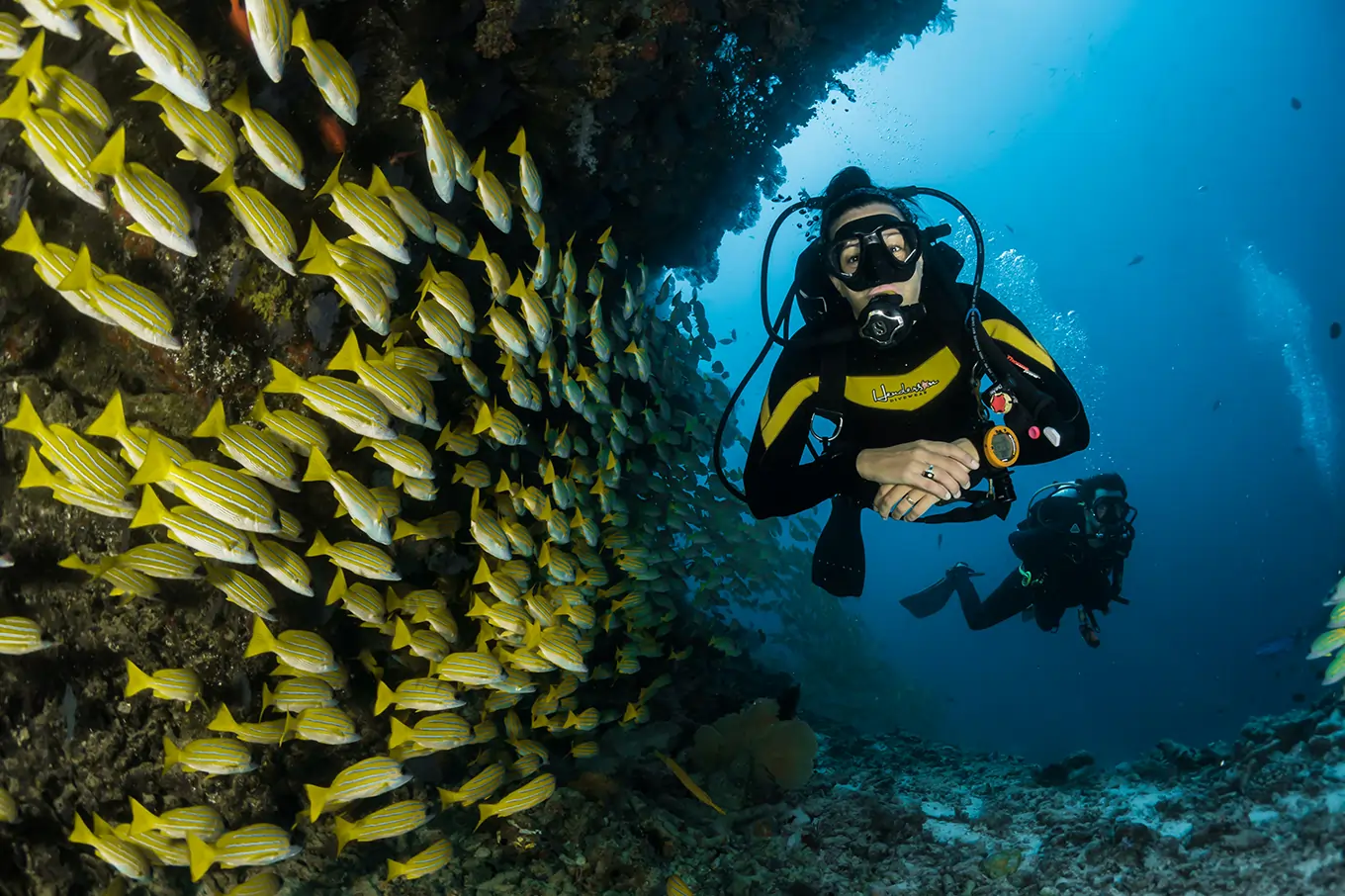
Marine biodiversity is a major draw for Nusa Penida scuba diving. Divers can expect to see reef sharks, eagle rays, turtles, and massive schools of fish. The coral formations are healthy and colorful, supporting a thriving underwater food chain. Nusa Penida diving also provides macro opportunities, with nudibranchs and crustaceans hiding among the reefs.
Essential Safety Tips
Safety is crucial when planning Nusa Penida scuba diving. The island is known for unpredictable currents, so always dive with a certified local guide. Proper briefing, surface signaling devices, and conservative dive profiles are highly recommended. When engaging in Nusa Penida diving, wearing a thicker wetsuit is advisable due to cold water temperatures. Divers should also be comfortable with negative entries and drifting techniques.
A well planned itinerary allows you to experience the best of Nusa Penida scuba diving while minimizing risks and maximizing enjoyment. With its world class dive sites and unforgettable marine encounters, Nusa Penida diving remains a top choice for adventure seeking divers visiting Bali.
If you visit Bali, you can stay at Alzeto Co Living, one of the co-living spaces in Bali for tourists who want to relax and connect.
Published on 28 January 2026

