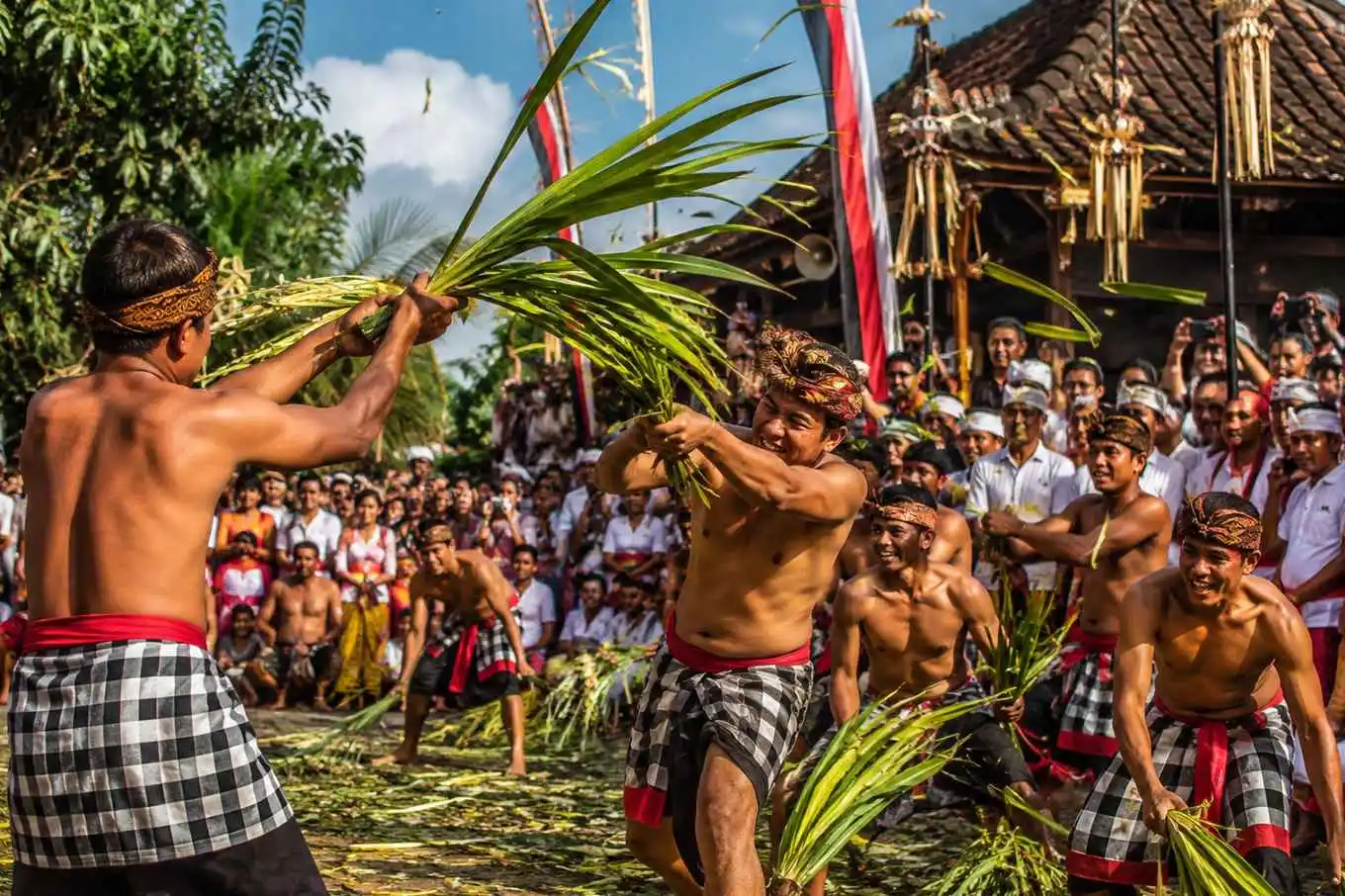
Bali is famous for its breathtaking beaches, vibrant temples, and centuries old traditions that continue to thrive today. Among its most fascinating cultural celebrations is mekare-kare, a unique ritual that has become a symbol of bravery, gratitude, and cultural identity. Every year, locals and visitors gather to witness mekare-kare, a dramatic pandan leaf battle held in Tenganan Pegringsingan Village, one of Bali's oldest traditional communities.
Unlike modern festivals, mekare-kare is deeply rooted in the customs of the Bali Aga people, the island's original inhabitants. The event is not simply a performance but a sacred ceremony that reflects devotion to ancestors, respect for tradition, and the enduring spirit of the local community. Today, mekare kare Bali is recognized as one of the island's most authentic cultural experiences, attracting travelers seeking something beyond Bali's popular tourist attractions.
What is Mekare-kare?
Mekare-kare is a traditional Balinese ritual often referred to as the "Pandan War." During the ceremony, participants engage in friendly combat using bundles of thorny pandan leaves as weapons while carrying woven rattan shields for protection. Although the battle may appear intense, it is symbolic rather than hostile.
The tradition has been practiced for generations by the Bali Aga community in Tenganan Pegringsingan Village. For locals, mekare-kare represents courage, honor, and respect for their ancestors. Every participant willingly joins the ritual as a demonstration of strength and devotion.
The thorny pandan leaves create small scratches on the skin, but these minor wounds are considered a badge of honor rather than an injury. After each round, participants treat the scratches with traditional herbal remedies made from turmeric and other natural ingredients.
Today, mekare kare Bali has become one of the island's most photographed cultural events because it combines spirituality, history, and exciting visual traditions.
Why is the Pandan War Celebrated?
The purpose of mekare-kare extends far beyond entertainment. The ceremony honors Dewa Indra, the Hindu god of war, who is believed to protect the village and its people. According to local belief, the ritual expresses gratitude for blessings, courage, and prosperity granted throughout the year.
Unlike competitive sporting events, there are no winners or losers during mekare-kare. Every participant is considered equal because the ritual emphasizes unity instead of victory. The scratches received during the battle symbolize sacrifice and dedication rather than defeat.
The festival also strengthens community relationships. Families gather together, village elders supervise every stage of the ceremony, and younger generations learn the importance of preserving their cultural heritage. Through mekare-kare, traditions that have existed for hundreds of years continue to thrive in modern Bali.
As interest in cultural tourism grows, mekare kare Bali has become an excellent example of how ancient customs can remain meaningful while welcoming respectful visitors from around the world.
Where does the Mekare-Kare Festival Take Place?
The mekare-kare festival takes place exclusively in Tenganan Pegringsingan Village, located in Karangasem Regency, East Bali. This village is one of the best preserved Bali Aga settlements and is widely known for maintaining customs that differ from many other Balinese communities.
Tenganan is also famous for producing the rare Geringsing double ikat weaving, one of the world's most complex textile traditions. Visitors often combine their mekare-kare experience with exploring the village's narrow pathways, traditional homes, artisan workshops, and peaceful surroundings.
Unlike crowded tourist destinations, Tenganan offers an authentic atmosphere where visitors can observe daily village life while learning about Bali's oldest traditions. Experiencing mekare kare Bali in its original setting provides a much deeper appreciation for the ceremony than simply viewing photographs or videos.
The entire village becomes part of the celebration, creating an unforgettable atmosphere filled with traditional music, ceremonial costumes, and communal gatherings.
When is the Best Time to Witness Mekare-Kare?
The best time to experience mekare-kare is during the Usaba Sambah festival, an important annual ceremony in Tenganan Pegringsingan Village. The exact date follows the traditional Balinese calendar rather than the Gregorian calendar, meaning the celebration changes each year.
Because of this, travelers planning to witness mekare-kare should check the festival schedule before arranging their trip. Many cultural enthusiasts specifically visit Bali during this period to experience the ceremony firsthand.
The celebration usually lasts for several days, featuring various religious rituals, traditional music performances, ceremonial dances, and community gatherings before and after the famous pandan battle.
Arriving early allows visitors to explore the village, observe preparations, and appreciate the cultural significance behind mekare kare Bali beyond the battle itself.
Can Tourists Attend the Festival?
Yes. Tourists are welcome to attend mekare-kare as respectful observers. In recent years, the festival has become one of Bali's most unique cultural attractions while remaining an active religious ceremony for the local community.
Visitors are encouraged to dress modestly, follow village guidelines, and avoid interrupting religious activities. Respecting photography rules and maintaining appropriate behavior helps preserve the authenticity of the event.
Local guides can provide valuable insights into the symbolism, history, and customs surrounding mekare-kare, making the experience even more meaningful. Purchasing handmade crafts from local artisans also supports the village economy and helps preserve traditional craftsmanship.
Watching mekare kare Bali offers travelers a rare opportunity to witness a living tradition that continues to unite generations through faith, courage, and cultural pride.
Experience One of Bali's Most Authentic Cultural Traditions
Among Bali's many festivals, mekare-kare stands out as one of the island's most extraordinary cultural celebrations. More than a symbolic battle, it reflects centuries of history, spiritual devotion, and the resilience of the Bali Aga community.
For travelers seeking authentic experiences, witnessing mekare-kare provides a deeper understanding of Bali's cultural richness beyond beaches and resorts. From the sacred rituals to the vibrant atmosphere of Tenganan Pegringsingan Village, every part of the celebration tells a story of heritage worth preserving.
If you visit Bali, you can stay at Alzeto Co Living, one of the co-living spaces in Bali for tourism who want to relax and connect.
Published on 12 August 2026

