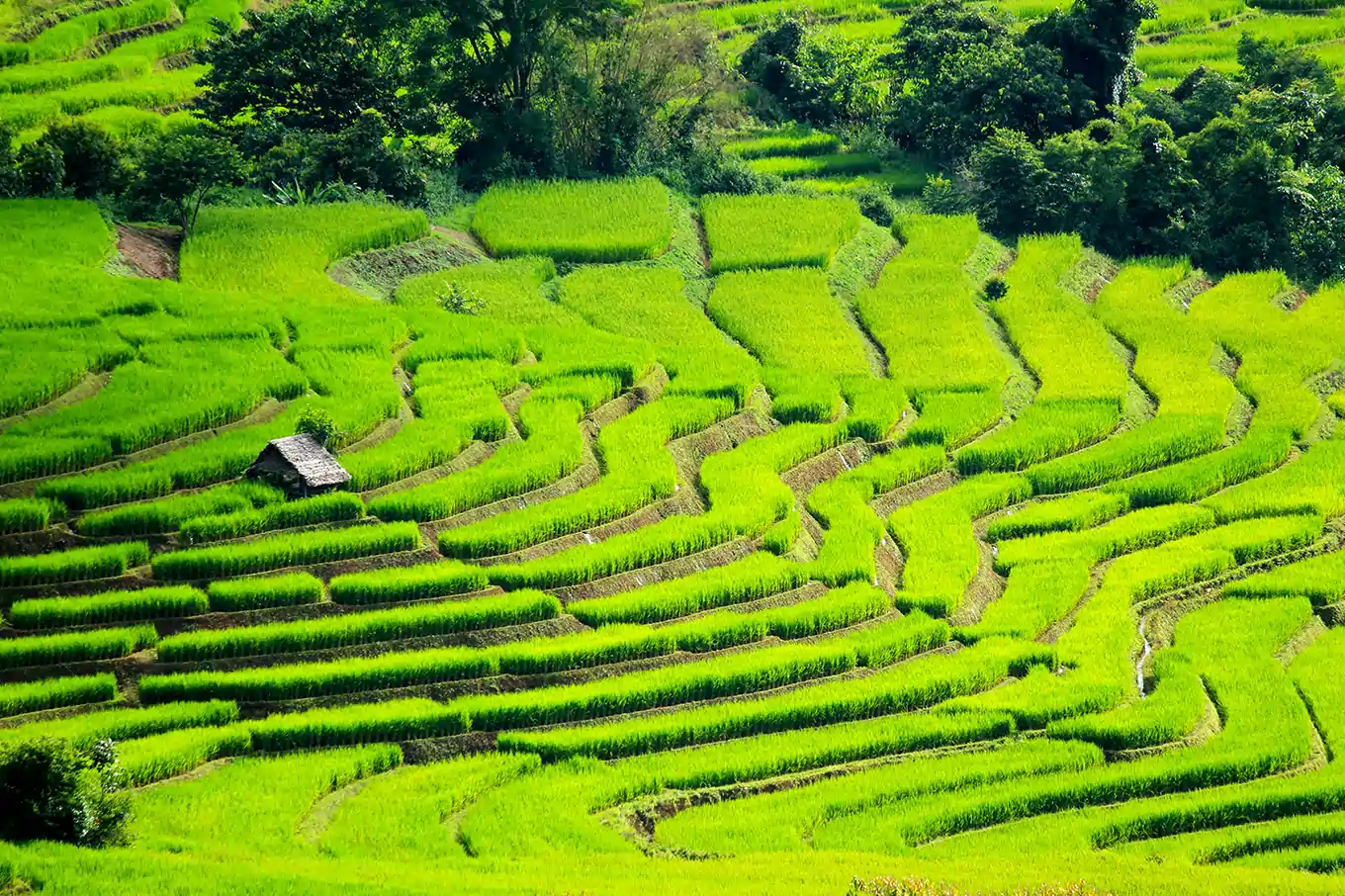
Jatiluwih rice terraces are one of the most breathtaking landscapes you can find in Bali. Known for their vast green scenery and traditional irrigation system, Jatiluwih rice terraces offer a peaceful escape from the island’s busier tourist spots. If you are looking for an authentic Balinese experience, visiting Jatiluwih rice terraces should be at the top of your list.
Where Are Jatiluwih Rice Terraces Located?
Jatiluwih rice terraces are located in Tabanan Regency, in the western part of Bali. This area sits at the foot of Mount Batukaru, which gives the Jatiluwih rice terrace region its cool climate and fertile soil. The drive to Jatiluwih rice terraces takes about 1.5 to 2 hours from popular areas like Seminyak or Ubud.
Because of its slightly remote location, the journey to Jatiluwih rice terrace becomes part of the experience. Along the way, you’ll pass traditional villages, lush forests, and scenic countryside views that truly represent Bali’s natural beauty. Once you arrive at Jatiluwih rice terraces, you’ll immediately notice how expansive and untouched the area feels compared to other rice fields on the island.
Why Are Jatiluwih Rice Terraces Famous?
Jatiluwih rice terraces are famous for being part of a UNESCO World Heritage Site. The recognition highlights the traditional Subak irrigation system, which has been used by local farmers for centuries. This system reflects the deep connection between Balinese culture, spirituality, and nature, making Jatiluwih rice terrace more than just a scenic destination.
Another reason why Jatiluwih rice terraces are so popular is their scale. Unlike smaller rice fields, Jatiluwih rice terrace stretches across a wide area, creating a dramatic and uninterrupted green landscape. The terraces follow the natural contours of the hills, forming layers that look almost like giant steps carved into the earth.
Visitors also appreciate how well preserved Jatiluwih rice terraces are. The area is less commercialized compared to other tourist spots, allowing you to enjoy the scenery without large crowds. This makes Jatiluwih rice terrace an ideal place for relaxation, photography, and nature appreciation.
What Activities Can You Do There?
There are many activities you can enjoy when visiting Jatiluwih rice terraces. One of the most popular is walking or trekking through the fields. Several paths are available, ranging from short walks to longer trails that let you explore deeper into the Jatiluwih rice terrace landscape.
Cycling is another great option at Jatiluwih rice terraces. The calm surroundings and fresh air make it perfect for a leisurely ride. As you cycle through the area, you’ll get a closer look at local farmers working in the Jatiluwih rice terrace fields, offering a glimpse into daily life in rural Bali.
Photography is a must when visiting Jatiluwih rice terraces. The natural lighting, layered fields, and mountain backdrop create endless photo opportunities. Whether you visit in the morning or late afternoon, Jatiluwih rice terrace always offers stunning views worth capturing.
You can also enjoy local cuisine at nearby restaurants overlooking Jatiluwih rice terraces. Many places serve traditional Balinese dishes while offering panoramic views of the fields, making your dining experience even more memorable.
How Much Is The Entrance Fee?
To enter Jatiluwih rice terraces, visitors are required to pay an entrance fee. The fee is relatively affordable and helps support the maintenance of the area and the local farming community. On average, the entrance fee for Jatiluwih rice terrace is around IDR 40,000 to IDR 50,000 for international visitors.
Additional costs may include parking fees or optional guided tours. Some visitors choose to hire a local guide to better understand the history and significance of Jatiluwih rice terraces, especially the Subak system. While not mandatory, a guide can enhance your experience at Jatiluwih rice terrace by providing deeper insights.
When Is The Best Time to Visit Jatiluwih?
The best time to visit Jatiluwih rice terraces is during the early morning or late afternoon. During these times, the weather is cooler, and the lighting is perfect for enjoying the scenery. Visiting Jatiluwih rice terrace in the morning also allows you to experience the peaceful atmosphere before more visitors arrive.
In terms of season, Jatiluwih rice terraces are beautiful all year round. However, the most vibrant green scenery usually appears during the growing season when the rice fields are full. Even during harvest time, Jatiluwih rice terrace offers a unique golden landscape that is equally stunning.
It’s also recommended to visit Jatiluwih rice terraces on weekdays if possible. This helps you avoid crowds and fully enjoy the tranquility that makes Jatiluwih rice terrace so special.
Jatiluwih rice terraces truly represent the harmony between nature, culture, and tradition in Bali. From its UNESCO recognition to its breathtaking landscapes, Jatiluwih rice terrace offers an unforgettable experience for every traveler.
Whether you come for relaxation, photography, or cultural exploration, this destination will leave a lasting impression if you visit Bali, you can stay at Alzeto Co Living, one of the co-living spaces in Bali for tourism who want to relax and connect.
Published on 20 April 2026