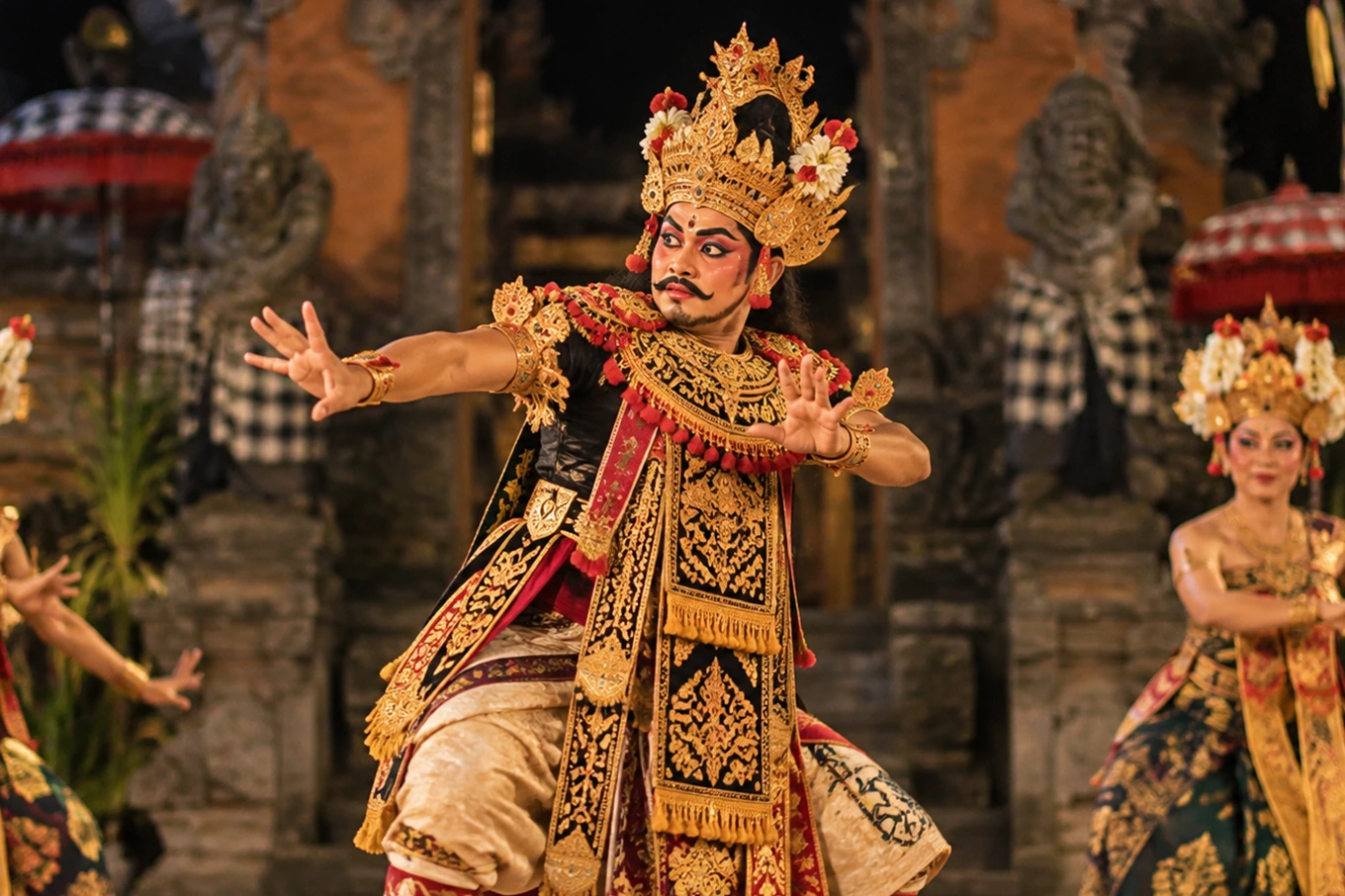
Bali is known for its rich cultural heritage, from sacred temples and traditional ceremonies to classical performances that preserve stories from the past. Among these cultural treasures, gambuh dance stands out as one of the island's oldest performing arts. This traditional performance combines graceful movements, music, dialogue, and dramatic storytelling to bring ancient tales to life. For travelers interested in Balinese culture, understanding gambuh dance offers a deeper appreciation of the island's artistic and spiritual traditions.
Unlike modern stage performances, gambuh dance follows established artistic conventions passed down through generations. The performers use distinctive gestures, elaborate costumes, and traditional musical accompaniment to communicate the emotions and personalities of different characters. Through its combination of dance, theater, and music, this art form provides a fascinating glimpse into Bali's historical connections with classical literature and royal court traditions.
What Is Gambuh Dance in Bali?
Gambuh dance is a traditional Balinese performing art that combines dance, drama, dialogue, and gamelan music. It is widely regarded as one of Bali's oldest surviving dance-drama traditions, with historical roots commonly associated with the Majapahit period and the development of Balinese court culture.
A traditional gambuh dance performance features characters representing princes, princesses, servants, warriors, and other figures from classical stories. Each character has distinctive movements, gestures, speech patterns, and costumes. Performers must learn these conventions carefully because their movements communicate specific meanings rather than serving only as decorative choreography.
One defining feature of gambuh dance is its deliberate pace. The performers often move slowly and precisely, allowing audiences to observe the details of their gestures and expressions. Dialogue is also important, with some characters speaking in refined forms of language that reflect their social positions.
The accompanying music helps establish the mood and rhythm of the performance. Together, these elements create a traditional theatrical experience that differs from the faster, more visually energetic Balinese dances familiar to many visitors.
For cultural travelers, gambuh dance provides an opportunity to experience an art form that requires extensive training and dedication. Its preservation depends on performers, musicians, teachers, and local communities who continue passing their knowledge to younger generations.
What Is the Story of Gambuh Dance?
The main inspiration for gambuh dance comes from the Malat, a classical literary cycle associated with the adventures of Prince Panji. The stories explore romance, separation, loyalty, disguise, conflict, and reunion. These themes make the performance both entertaining and meaningful.
In many versions, Prince Panji becomes separated from his beloved, Princess Rangkesari, and travels through different kingdoms while searching for her. Their journey involves unexpected challenges, encounters with other characters, and conflicts that test their determination.
A traditional gambuh dance drama presents these stories through a combination of expressive movement, spoken dialogue, and music. Each character has a specific role, while the performers communicate emotions and relationships through carefully controlled gestures.
The dialogue may include Kawi, an old literary language, alongside refined Balinese. This linguistic tradition reflects the performance's historical connection with royal courts and classical literature.
Although the details vary between productions, the stories continue to communicate values such as loyalty, patience, responsibility, and devotion. Understanding the narrative helps visitors appreciate the meaning behind each movement and musical passage.
Where Can You Watch Gambuh Dance in Bali?
Travelers interested in gambuh dance can explore several communities known for maintaining this traditional performing art. However, performances are not necessarily available every day, so checking local schedules before visiting is recommended.
-
Batuan, Gianyar: Batuan is an important center for gambuh performances. The village's traditional dance groups perform during selected temple ceremonies and other cultural occasions.
-
Pedungan, Denpasar: Gambuh Pedungan maintains a strong connection with religious ceremonies, including performances associated with temple anniversaries. Access may depend on the ceremonial schedule.
-
Tumbak Bayuh, Badung: This village also preserves the tradition through community groups and performances connected with local ceremonies.
For the best experience, contact a local cultural organization or village tourism office to confirm upcoming performances. Visitors should also follow local guidance regarding photography, appropriate clothing, and respectful behavior during sacred events.
What Instruments Are Used in Gambuh Dance?
Music is essential to gambuh dance because it establishes the rhythm, supports character entrances, and creates the atmosphere for dramatic scenes. The traditional gamelan ensemble combines melodic instruments with percussion.
Important instruments include:
-
Suling gambuh: Large bamboo flutes that produce flowing melodies and help establish the performance's distinctive sound.
-
Rebab: A bowed string instrument that contributes melodic expression.
-
Kendang: Drums that guide the rhythm and coordinate musical changes.
-
Kajar and kempur: Percussion instruments that help maintain the rhythmic structure and mark musical accents.
-
Klenang, rincik, and gentorag: Instruments that add rhythmic details, bright sounds, and texture.
-
Gumanak, kangsi, and kenyir: Traditional instruments associated with the ensemble's distinctive musical character.
The combination creates a soundscape that supports the dancers' movements and dialogue. The musicians must understand the dramatic sequence so that musical changes correspond with entrances, transitions, and important moments in the story.
Why Is Gambuh Important to Balinese Culture?
Gambuh dance is important because it preserves traditional knowledge that extends beyond choreography. Its performance brings together literature, music, language, costume, acting, and community participation.
Historically associated with royal courts, this art form later continued through local communities and temple ceremonies. Its influence can also be seen in the development of other Balinese dance and theater traditions.
Preserving a gambuh dance drama requires more than maintaining costumes and instruments. Younger performers must learn complex movements, musical patterns, character roles, and traditional dialogue. Musicians and teachers also play essential roles in passing these skills to future generations.
For travelers, watching a performance offers an opportunity to understand Bali beyond its beaches and popular attractions. It reveals how artistic expression, historical storytelling, and spiritual life remain connected within local communities.
If you visit Bali, you can stay at Alzeto Co Living, one of the co-living spaces in Bali for tourism who want to relax and connect. It can be a comfortable place to stay while exploring the island's cultural traditions, discovering local communities, and experiencing the spiritual side of Bali.
Published on 21 October 2026

