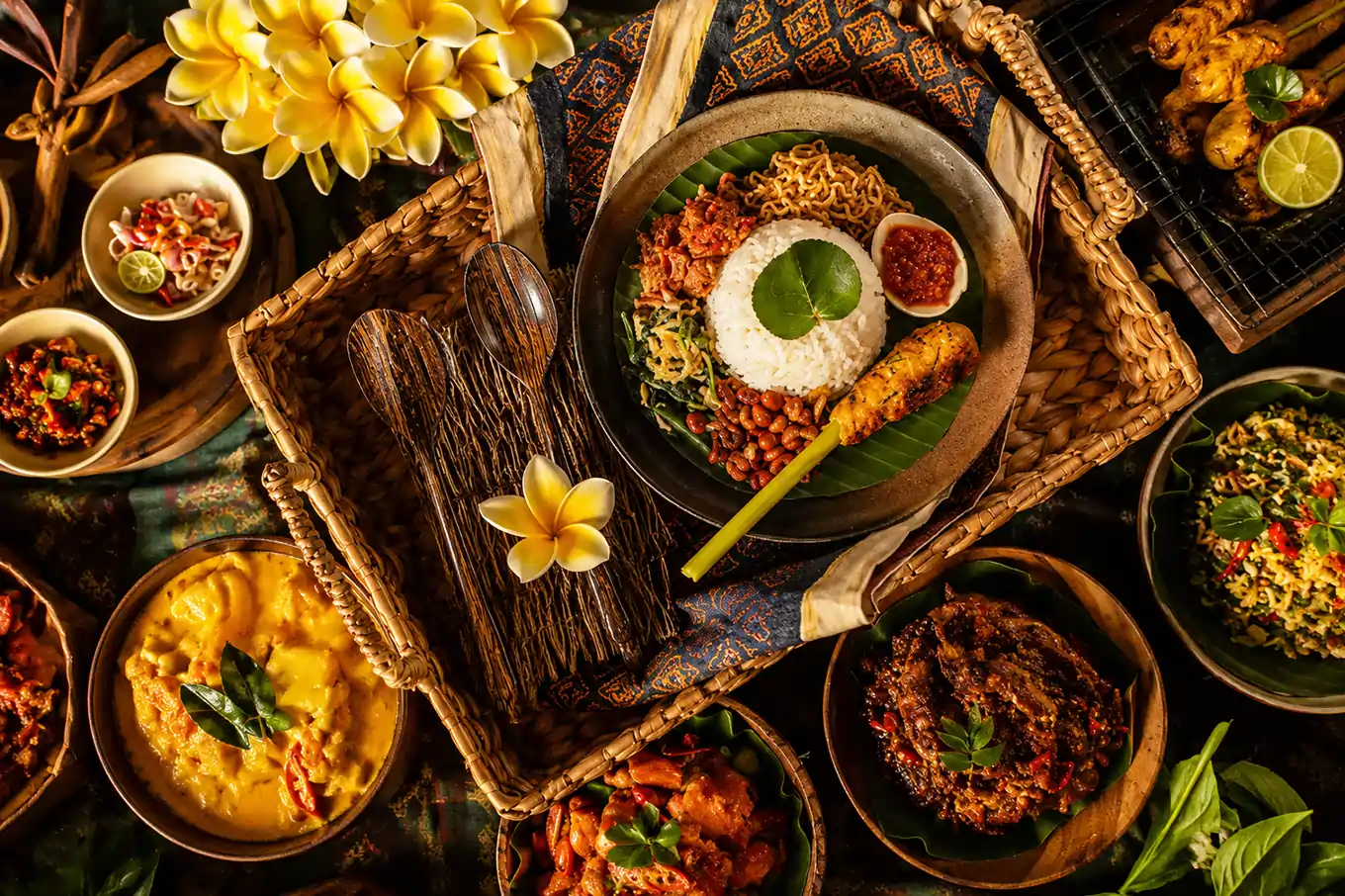
Balinese cuisine is one of Indonesia's greatest cultural treasures, offering rich flavors, aromatic spices, and traditional cooking methods passed down through generations. Every dish reflects the island's history, spirituality, and close connection with nature. From savory grilled meats to fragrant rice dishes, balinese cuisine delivers an unforgettable culinary experience that attracts food lovers from around the world.
Whether you're planning a trip to Bali or simply want to recreate its flavors at home, learning about balinese cuisine recipes is the perfect way to appreciate the island's unique food culture.
What Makes Balinese Cuisine Unique?
The uniqueness of balinese cuisine lies in its bold combination of spices, fresh herbs, and locally sourced ingredients. Unlike many other regional cuisines, balinese cuisine combines sweet, spicy, salty, and savory flavors into a harmonious balance.
Several factors make balinese cuisine stand out:
-
Fresh tropical ingredients grown locally.
-
Traditional spice blends known as Base Genep.
-
Cooking methods such as grilling, steaming, roasting, and slow cooking.
-
Strong influence from Balinese Hindu traditions and ceremonial offerings.
-
Recipes preserved through generations of family cooking.
Many dishes in balinese cuisine are prepared not only for daily meals but also for religious ceremonies and festivals, making food an important part of Balinese culture.
What Are the Most Popular Traditional Balinese Dishes?
There are many iconic dishes that define balinese cuisine, each offering distinctive flavors and textures. Some of the most popular include:
Babi Guling
Perhaps the most famous dish in balinese cuisine, Babi Guling is roasted suckling pig seasoned with turmeric, coriander, lemongrass, garlic, and other traditional spices. The crispy skin and juicy meat make it a favorite among locals and tourists alike.
Ayam Betutu
Ayam Betutu is a whole chicken stuffed with rich spices, wrapped in banana leaves, and slow cooked for several hours. This classic dish perfectly represents authentic balinese cuisine recipes.
Sate Lilit
Unlike ordinary satay, Sate Lilit uses minced fish, chicken, or pork mixed with grated coconut and spices before being wrapped around lemongrass sticks and grilled.
Lawar
Lawar is a traditional mixture of vegetables, coconut, minced meat, herbs, and spices. It is commonly served during religious celebrations and remains one of the essential dishes in balinese cuisine.
Nasi Campur Bali
Nasi Campur combines steamed rice with multiple side dishes such as shredded chicken, satay, vegetables, sambal, peanuts, and eggs, providing a complete taste of balinese cuisine in one plate.
Which Spices Are Commonly Used in Balinese Cooking?
The heart of balinese cuisine is its complex spice mixture known as Base Genep. This traditional seasoning creates the distinctive aroma and deep flavors found in many balinese cuisine recipes.
Common spices include:
-
Garlic
-
Shallots
-
Turmeric
-
Ginger
-
Galangal
-
Candlenuts
-
Coriander
-
Black pepper
-
Chili peppers
-
Lemongrass
-
Kaffir lime leaves
-
Shrimp paste
-
Palm sugar
These ingredients are blended into a fragrant paste before being cooked with meat, seafood, or vegetables. The generous use of herbs gives balinese cuisine its signature freshness while maintaining balanced flavors.
Fresh coconut, coconut milk, banana leaves, and aromatic leaves are also widely used to enhance the texture and fragrance of traditional dishes.
What Are Authentic Balinese Recipes to Try at Home?
Fortunately, you can recreate authentic balinese cuisine recipes without traveling to Bali. Here are several beginner friendly dishes.
Easy Sate Lilit
Ingredients:
-
500 g minced chicken
-
100 g grated coconut
-
Garlic
-
Shallots
-
Turmeric
-
Coriander
-
Lemongrass stalks
-
Salt and pepper
Mix all ingredients, wrap around lemongrass sticks, then grill until cooked through.
Traditional Sambal Matah
One of the simplest balinese cuisine recipes, Sambal Matah requires:
-
Shallots
-
Fresh chili
-
Lemongrass
-
Kaffir lime leaves
-
Coconut oil
-
Lime juice
-
Salt
Simply combine all ingredients and serve fresh alongside grilled seafood or chicken.
Simple Ayam Betutu
Although the authentic version takes several hours, a simplified version can be prepared using:
-
Chicken
-
Base Genep spice paste
-
Banana leaves
-
Coconut oil
Marinate the chicken with the spice mixture before wrapping and baking until tender.
Trying these balinese cuisine recipes allows home cooks to experience authentic island flavors while learning traditional Indonesian cooking techniques.
Where Can You Experience Traditional Balinese Cuisine in Bali?
If you visit Bali, experiencing authentic balinese cuisine at local eateries is highly recommended. Many traditional restaurants and family owned warungs continue using recipes that have been preserved for generations.
Some of the best places include:
-
Ubud for traditional home style cooking.
-
Gianyar for authentic Babi Guling.
-
Jimbaran for fresh grilled seafood.
-
Denpasar for local markets and street food.
-
Sanur for classic Balinese restaurants.
-
Sidemen for countryside dining experiences.
Cooking classes are also popular throughout Bali, allowing visitors to shop for fresh ingredients at local markets before preparing authentic balinese cuisine recipes under the guidance of experienced local chefs.
Exploring village markets offers another wonderful opportunity to discover traditional herbs, spices, handmade snacks, and regional specialties that showcase the diversity of balinese cuisine.
Balinese cuisine is far more than delicious food it is a reflection of Bali's culture, traditions, and community life. Rich spice blends, fresh ingredients, and centuries old cooking techniques create unforgettable flavors that continue to captivate visitors from around the world. Whether you're tasting iconic dishes like Babi Guling, Ayam Betutu, and Sate Lilit or preparing balinese cuisine recipes in your own kitchen, every meal offers a deeper appreciation of Bali's culinary heritage.
If you visit Bali, you can stay at Alzeto Co Living, one of the co-living spaces in Bali for tourism who want to relax and connect.
Published on 16 July 2026