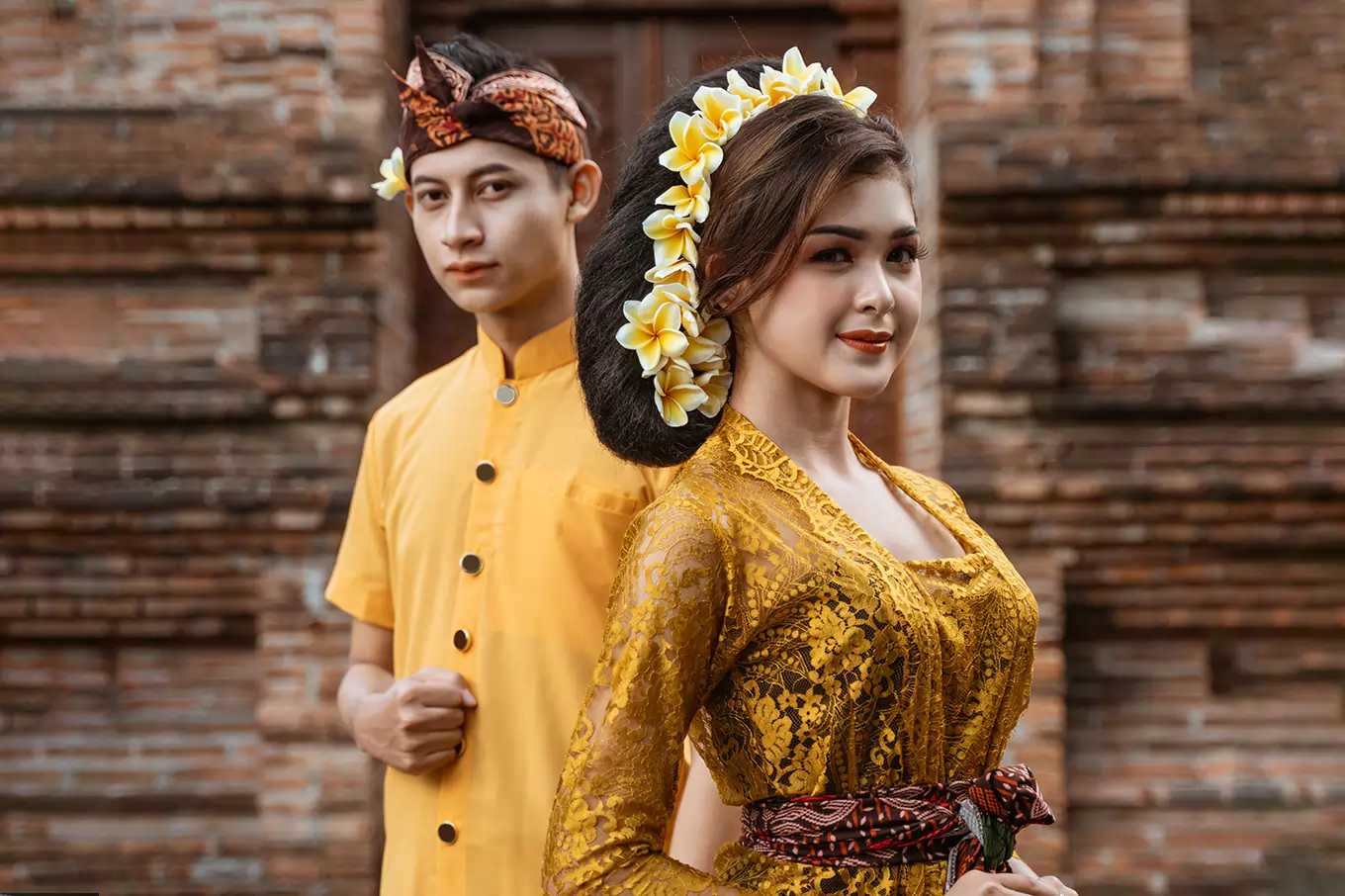
Bali is famous for its stunning beaches, spiritual atmosphere, and vibrant cultural life. One of the most captivating aspects of the island’s heritage is bali traditional clothes, which beautifully represent history, belief, and artistic expression. These garments are not merely worn for appearance, but serve as symbols of respect, harmony, and identity deeply rooted in Balinese culture.
From sacred temple ceremonies to daily community activities, bali traditional clothes play an essential role in everyday life. Visitors often feel enchanted when they see locals dressed in elegant fabrics, detailed patterns, and meaningful accessories that reflect centuries of tradition.
Bali is famous for stunning beaches and spirituality, but Bali traditional clothes truly capture its soul, blending history, belief, and artistry into meaningful garments worn daily and ceremonially by locals.
The Origins and Cultural Roots of Bali Traditional Clothes
The story of Bali traditional clothes dates back hundreds of years, influenced strongly by Hindu traditions that shape Balinese society. Clothing was designed not only to cover the body, but to align humans with spiritual values and natural balance. Each element reflects the philosophy of Tri Hita Karana, which emphasizes harmony between humans, nature, and the divine.
Historically, bali traditional clothes also indicated social roles and ceremonial purposes. Over time, styles evolved, yet the cultural essence remained unchanged. Today, these traditional garments continue to be worn proudly, preserving heritage while adapting to modern life.
Types of Bali Traditional Clothes for Men and Women
There are several types of bali traditional clothes, each with distinct functions. For women, the most common attire includes the kebaya blouse paired with a kamen or sarong, complemented by a sash called selendang. These pieces highlight grace, modesty, and femininity.
For men, bali traditional clothes usually consist of a kamen, saput (outer cloth), shirt, and udeng headpiece. The udeng is especially symbolic, representing focus and respect. During major ceremonies, both men and women may wear more elaborate bali traditional clothes made from luxurious fabrics like songket or endek.
Symbolism Behind Colors and Fabrics
One of the most fascinating aspects of Bali traditional clothes is their symbolism. Colors are carefully chosen: white symbolizes purity, yellow represents prosperity, red signifies courage, and black embodies protection. These meanings add depth to every outfit worn during religious events.
The fabrics used in bali traditional clothes are often handwoven using traditional techniques passed down through generations. Endek and songket fabrics are especially valued for their craftsmanship, making each piece unique and meaningful.
Bali Traditional Clothes in Ceremonies and Daily Life
In Balinese culture, bali traditional clothes are mandatory when attending temple ceremonies. Wearing proper attire is considered a form of respect toward the gods and the community. Even tourists are encouraged to wear traditional clothing when visiting sacred places.
Beyond ceremonies, bali traditional clothes are also worn during cultural performances, weddings, and festivals. This consistent use shows how tradition is seamlessly integrated into daily life, rather than being reserved only for special occasions.
Modern Influence on Bali Traditional Clothes
As fashion evolves, Bali traditional clothes have also adapted to modern tastes. Contemporary designers blend traditional fabrics with modern cuts, creating outfits suitable for formal events, celebrations, and even international fashion shows. This fusion helps preserve tradition while appealing to younger generations.
Today, Bali traditional clothes are not only worn in Bali but admired worldwide. Their timeless elegance and cultural depth make them increasingly popular among travelers and fashion enthusiasts alike.
Why Bali Traditional Clothes Capture Hearts
What makes Bali traditional clothes so special is their ability to tell stories of faith, culture, and craftsmanship. Wearing them allows people to feel connected to Bali’s spiritual essence and cultural richness. Many visitors bring home bali traditional clothes as meaningful souvenirs that symbolize their journey.
Through color, texture, and symbolism, bali traditional clothes reflect the soul of the island. They remind us that true beauty lies in tradition, balance, and authenticity.
Where to Buy Bali Traditional Clothes
For those interested in purchasing bali traditional clothes, there are many wonderful places across the island to explore. Local traditional markets such as Pasar Badung in Denpasar or Ubud Art Market offer a wide selection of kebaya, kamen, udeng, and handwoven fabrics like endek and songket at various price ranges.
Boutique shops and artisan studios also provide high quality bali traditional clothes with more refined designs, often handcrafted by local artisans. Buying directly from these local sellers not only ensures authenticity but also supports Balinese craftsmanship and helps preserve cultural heritage.
If you visit Bali, you can stay at Alzeto Co-Living, one of the co-living spaces in Bali for tourists who want to relax and connect.
FAQ
-
What are Bali traditional clothes?
Bali traditional clothes are traditional garments worn during ceremonies, religious events, and important cultural occasions in Bali. -
What are traditional Balinese clothes called?
Traditional Balinese clothes include garments such as kamen, kebaya, udeng, and saput, depending on the occasion and gender. -
When do people wear Bali traditional clothes?
People commonly wear Bali traditional clothes during temple visits, religious ceremonies, weddings, and traditional cultural events. -
What is the meaning of traditional Balinese clothes?
Traditional Balinese clothes represent respect, spirituality, cultural identity, and proper etiquette when participating in Balinese traditions. -
Can tourists wear traditional Balinese clothes?
Yes. Tourists can wear traditional Balinese clothes, especially when visiting temples or participating in cultural ceremonies, as long as they follow local customs.
Published on 01 September 2026

