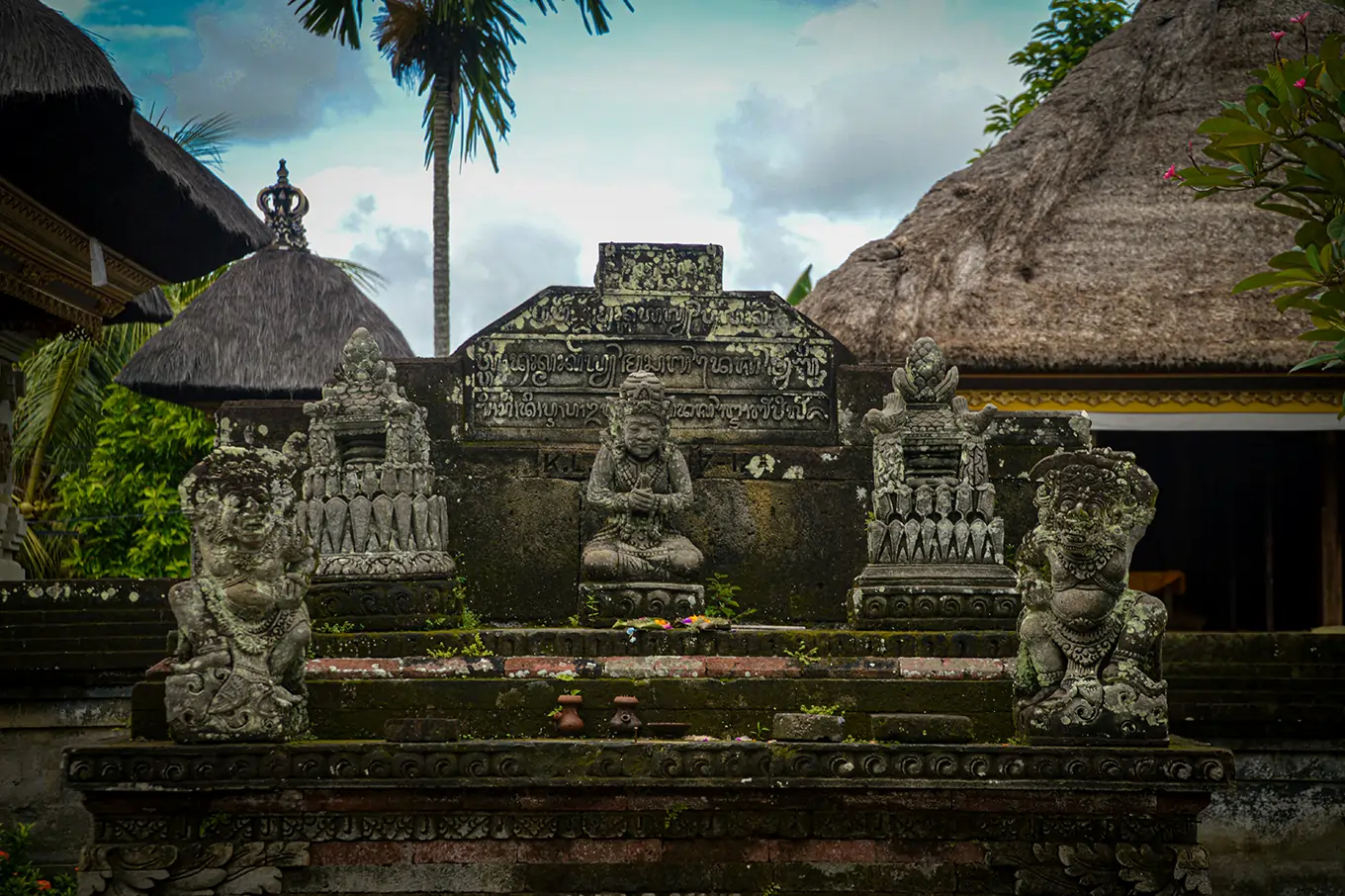
Bali Cultural Tourism Temple Wonders of Island Tradition Art
Bali has long been admired as an exotic island filled with natural beauty, spiritual richness, and centuries old heritage. While many visitors come for its beaches, the heart of the island truly lies in its cultural depth. This is why Bali cultural tourism has become one of the strongest magnets for travelers from around the world. From majestic temples and sacred rituals to traditional arts preserved for generations, Bali offers a cultural experience like no other. This article explores in detail why Bali cultural tourism continues to captivate millions of visitors each year.
The Temple Wonders That Define Bali Cultural Tourism
Often referred to as the “Island of a Thousand Temples,” Bali is home to countless places of worship with deep spiritual meaning. These temples are not merely architectural attractions but the very foundation of Bali cultural tourism.
Besakih Temple, the largest and holiest temple in Bali, stands proudly on the slopes of Mount Agung. Its monumental structure and sacred atmosphere reflect how the Balinese maintain harmony between humans, nature, and the divine a philosophy known as Tri Hita Karana. This core belief is a vital element that strengthens Bali cultural tourism.
Uluwatu Temple and Tanah Lot are also iconic landmarks. Each temple features dramatic locations overlooking the sea or perched on towering cliffs. As the sun sets, these temples offer breathtaking views that leave travelers in awe. Their symbolic architecture and spiritual energy elevate the beauty of Bali cultural tourism, making temples an essential part of every traveler’s itinerary.
Living Traditions: The Soul of Bali Cultural Tourism
One of the most remarkable aspects of Bali is that its traditions are not merely preserved, they are lived every day. Rituals, ceremonies, dances, and communal gatherings remain an active part of Balinese life. This authenticity is what makes Bali cultural tourism so powerful and unforgettable.
The Ngaben cremation ceremony is one of the most meaningful Balinese rituals. It symbolizes the release of the soul from the physical world. Travelers who witness this ceremony gain a deeper understanding of Balinese spirituality.
The Odalan celebration, the anniversary of each temple, is also an important tradition. Every Odalan brings vibrant decorations, offerings, and dance performances that showcase the richness of Bali cultural tourism. Because each temple has its own Odalan date, hundreds of celebrations happen throughout the year.
Balinese etiquette and customs, known as tatakrama, also play a key role. These values guide how people interact, dress, and behave especially when visiting sacred places. Together, these customs strengthen the identity and authenticity of Bali cultural tourism.
Art as the Heartbeat of Bali Cultural Tourism
Art is inseparable from Balinese culture, making it a central part of Bali cultural tourism. Dance, music, painting, sculpture, textiles, and woodcarving all flourish across the island.
The Kecak Dance famous for its rhythmic chant performed without traditional instruments is a major attraction. Set against the dramatic backdrop of Uluwatu Temple at sunset, the performance creates a mystical experience that has become iconic in Bali cultural tourism.
Painting villages like Ubud showcase Bali’s artistic legacy. Artists create masterpieces that reflect spirituality, mythology, and daily life. These artworks are admired not only locally but also internationally.
Sculpture and woodcarving are equally significant. Villages such as Mas and Batubulan are known for crafting statues and intricate carvings that are exported worldwide. These artistic traditions highlight the craftsmanship that enriches Bali cultural tourism and preserves the cultural identity of the island.
Culinary Heritage That Complements Bali Cultural Tourism
Bali’s traditional cuisine adds yet another layer to the richness of Bali cultural tourism. Dishes such as lawar, sate lilit, ayam betutu, and babi guling are not only delicious but also deeply connected to rituals and cultural practices. Each dish reflects local heritage and ingredients passed down for generations.
Traditional herbal drinks like loloh and jamu Bali also introduce visitors to the island’s natural healing culture. These culinary experiences reinforce the authenticity of Bali cultural tourism.
Why Bali Cultural Tourism Offers an Unmatched Experience
The true charm of Bali lies in the harmony of its temples, rituals, arts, cuisine, and everyday life. Together, these elements form a cultural ecosystem that is alive, authentic, and emotionally impactful. Bali cultural tourism is more than sightseeing; it is a journey into a living culture that touches the soul.
For travelers seeking a meaningful cultural experience, Bali is the perfect destination. With its timeless traditions and artistic brilliance, Bali cultural tourism promises memories that linger long after the trip ends.
If you visit Bali, you can stay at Alzeto Co-Living, one of the best co living options in Bali for tourism who want to relax and connect.
Published on 03 December 2025

