Bali is famous for its temples, colorful ceremonies, and distinctive Hindu traditions. However, the island also preserves communities with cultural practices that reflect earlier periods of Balinese history. The Bali Aga people are among these communities, maintaining ancestral customs, traditional village structures, and distinctive forms of artistic expression.
Exploring Bali Aga culture offers visitors a deeper understanding of the island beyond its popular beaches and tourist attractions. From the traditional village of Tenganan Pegringsingan to Trunyan near Lake Batur, these communities preserve practices that continue to shape their identity today.
Travelers researching bali aga honolulu may encounter information about Balinese culture while planning international trips. However, the Bali Aga people and their traditions are rooted in Bali, Indonesia, rather than Honolulu, Hawaii. Understanding their heritage begins with learning about their origins, settlements, and everyday customs.
Who Are the Bali Aga People?
The Bali Aga are Indigenous Balinese communities commonly associated with traditions that developed before the strong influence of the Majapahit kingdom on the island. They are often described as the original or older Balinese communities, although their histories and identities differ between villages.
Unlike communities that share more widely recognized Balinese customs, the Bali Aga maintain distinctive customary institutions, local dialects, and ceremonial practices. Their traditions are passed down through families and community participation, helping preserve cultural knowledge across generations.
Two well known settlements associated with these communities are Tenganan Pegringsingan in Karangasem and Trunyan in Bangli. Each has its own customs, social organization, and religious traditions.
When researching bali aga honolulu, travelers should distinguish information about Bali's Indigenous communities from general Hawaiian or Honolulu cultural resources. These are different cultural settings with separate histories.
What Does Bali Aga Mean?
The term Bali Aga is commonly interpreted as referring to old or original Bali. The word aga is often associated with the idea of something old or mountainous, although explanations of the term may vary between historical and cultural sources.
The expression is used to describe communities that maintain distinctive ancestral traditions and customary practices. Rather than representing one completely uniform group, Bali Aga communities have individual identities shaped by their village histories, beliefs, and local environments.
Their cultural identity can be seen in traditional architecture, village layouts, ceremonies, and customary regulations. These elements demonstrate how communities preserve their heritage while adapting to contemporary life.
The phrase bali aga honolulu is not the name of a recognized Balinese tradition or community. Anyone encountering bali aga honolulu in search results should check whether the source actually discusses Bali, Indonesia, or refers to another subject.
Where Do the Bali Aga People Live?
The Bali Aga communities are found in several traditional villages across Bali, particularly in mountainous and eastern parts of the island. Their settlements have developed distinctive relationships with the surrounding landscape, sacred places, and community spaces.
Tenganan Pegringsingan is located in Karangasem Regency. The village is known for its traditional settlement layout, customary rules, and gringsing textiles. Visitors can learn about its heritage by exploring designated areas and respecting local regulations.
Trunyan, meanwhile, lies near Lake Batur in Kintamani, Bangli Regency. It is known for the mepasah funeral tradition, in which eligible deceased community members are placed in a designated area beneath a sacred Taru Menyan tree rather than being cremated or buried in the usual manner.
Other villages associated with Bali Aga heritage include Sidatapa, Tigawasa, Pedawa, Cempaga, Sembiran, and Julah. Each settlement has its own traditions and should be understood within its local context.
For visitors searching bali aga honolulu, the essential geographical distinction is that these cultural villages are located on the Indonesian island of Bali.
What Makes Bali Aga Culture Different From Other Balinese Culture?
One distinctive feature of Bali Aga culture is the importance of village-based customary systems. Community rules help regulate ceremonies, social responsibilities, architecture, and relationships among residents.
Traditional village layouts also reflect local beliefs and historical practices. In Tenganan, for example, the arrangement of houses, courtyards, and communal spaces follows established customary principles.
Language provides another point of distinction. Some communities use local Balinese dialects that differ from those spoken elsewhere on the island. These linguistic differences reflect the diversity of Balinese cultural heritage.
Religious practices and ceremonies can also vary significantly. Trunyan's mepasah tradition illustrates how one community maintains funeral customs that differ from the ngaben cremation ceremony widely associated with Bali.
When reading about bali aga honolulu, it is important not to assume that cultural similarities between different destinations mean their traditions share the same origins. The Bali Aga heritage belongs to the specific histories and communities of Bali.
What Are the Traditions of the Bali Aga People?
Several traditions help illustrate the diversity of Bali Aga culture. At Tenganan Pegringsingan, the mekare-kare ceremony, also known as Perang Pandan, involves participants using thorny pandan leaves in a ritual associated with the village's religious and customary life.
Tenganan is also famous for gringsing textiles, produced using the double ikat technique. These textiles hold cultural significance and represent specialized knowledge passed between generations.
In Trunyan, the mepasah funeral tradition reflects local beliefs about death, sacred spaces, and ancestral customs. The practice follows specific customary requirements and does not apply to every deceased person.
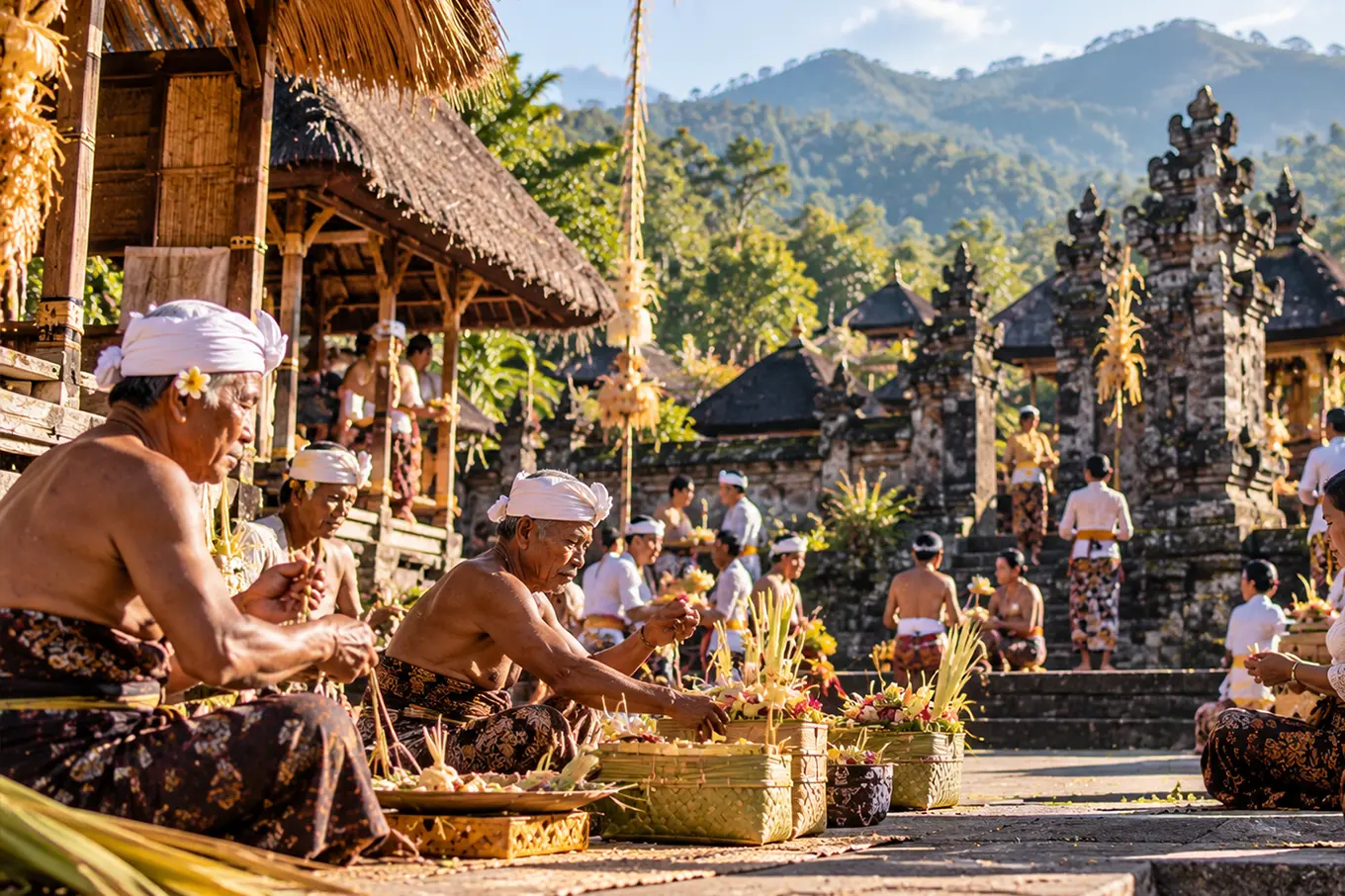
Traditional ceremonies, community gatherings, and customary regulations remain important to village identity. Although tourism introduces these traditions to a wider audience, their primary meaning comes from the communities that continue to practice them.
Visitors researching bali aga honolulu can use reliable cultural and tourism resources to distinguish genuine Balinese traditions from unrelated search results. Understanding the context behind each custom makes a visit more meaningful.
The Bali Aga people demonstrate that Bali's cultural identity extends beyond its most familiar tourist attractions. Their villages, textiles, ceremonies, and customary systems offer valuable insights into the island's diverse heritage. By learning about these communities and respecting local rules, travelers can appreciate traditions that remain part of everyday cultural life.
If you visit Bali, you can stay at Alzeto Co Living, one of the co-living spaces in Bali for tourism who want to relax and connect.
FAQ
1. Who are the Bali Aga people?
The Bali Aga are Indigenous Balinese communities known for preserving distinctive ancestral traditions, customary systems, and village identities.
2. What does Bali Aga mean?
Bali Aga is commonly interpreted as old or original Bali, referring to communities associated with older Balinese cultural traditions.
3. Where can visitors learn about Bali Aga culture?
Visitors can explore traditional villages such as Tenganan Pegringsingan in Karangasem and Trunyan near Lake Batur in Bangli.
4. What is the most famous Bali Aga tradition?
Well known examples include mekare-kare and gringsing textiles in Tenganan, as well as the mepasah funeral tradition in Trunyan.
5. Is Bali Aga Honolulu a traditional Balinese term?
No. Bali Aga Honolulu is not a recognized name for a Balinese tradition. Bali Aga refers to communities in Bali, Indonesia, while Honolulu is in Hawaii.
Published on 19 October 2026